
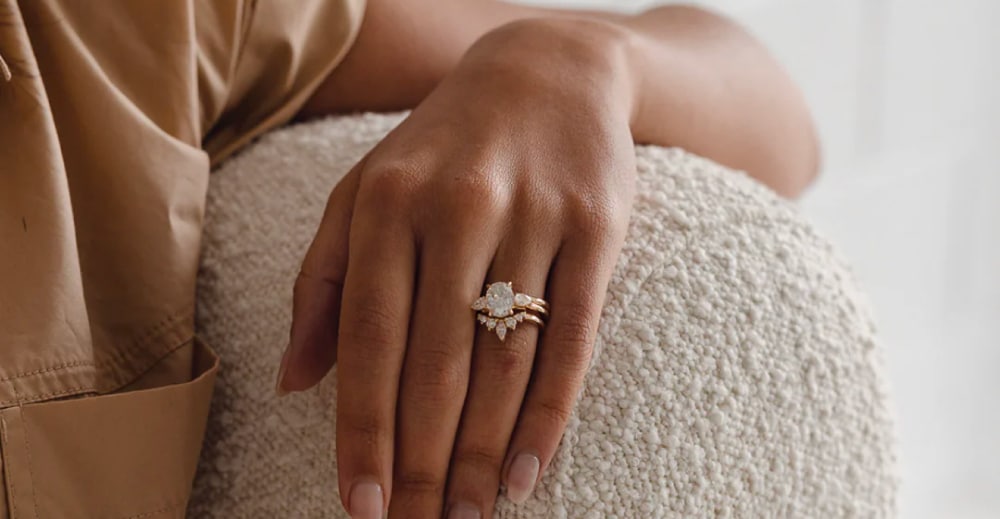

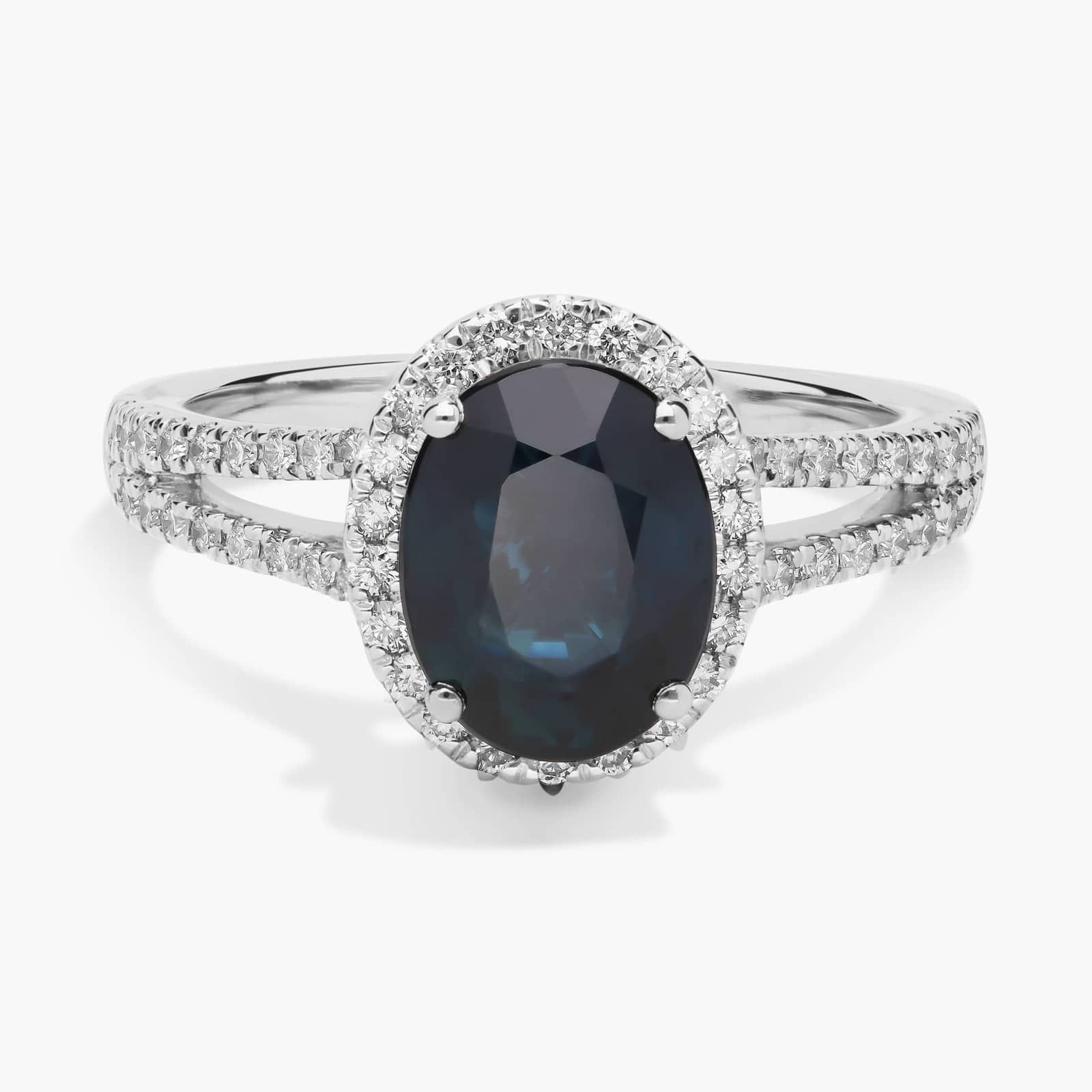

Yes, pink diamonds are absolutely real, and they exist in two exciting realities. The first is the world of priceless, ultra-rare natural gems dug from the earth—the kind that command headlines and break auction records. The second is the world of scientifically identical, visually stunning lab-grown diamonds, which finally makes their breathtaking beauty accessible to everyone.
For decades, the answer to “are pink diamonds real?” was almost a fantasy. We’d see stories about the most expensive pink diamond ring selling for tens of millions, a treasure reserved for royalty and billionaires. But the game has changed completely.
The mystique of the natural pink diamond gem is greater than ever, but now there’s a new, parallel reality where owning a real pink diamond isn’t just a dream.
Today, my goal is to pull back the curtain on both of these worlds. We’ll dive into the wild, high-stakes market of natural pinks—fueled by shocking new discoveries in 2025 and the historic closure of the Argyle mine.
Then, we’ll explore the groundbreaking technology behind lab-grown pinks that lets you put a breathtaking pink diamond engagement ring on your finger without a billionaire’s budget.
By the end of this guide, you won’t just know they’re real; you’ll understand both realities so you can decide which one is right for you.
Reality #1: The Natural Pink Diamond, a Priceless Marvel of Nature
This is the world of legend. The natural pink diamond is not just jewelry; it is a geological miracle, a fluke of nature so rare that it’s more comparable to a priceless piece of art than a gemstone. When you talk about these stones, you are talking about a class of asset that operates in a completely different stratosphere from other gems. Let’s break down why.
Why Are Natural Pink Diamonds So Rare and Expensive?
The intense value of a natural pink diamond comes down to a perfect storm of impossible rarity and skyrocketing demand.
First, their very existence is a beautiful accident. Unlike other fancy colored diamonds, which get their hue from chemical impurities (like nitrogen for yellows), diamond pink color comes from a physical anomaly.
Deep within the earth, immense pressure twisted the diamond’s crystal structure, altering the way it absorbs light and forcing it to reflect that stunning pink hue. It is one of the purest forms of diamond, colored only by the stress of its own creation.
Just how rare is this? The numbers are staggering. Natural pink diamonds make up less than 0.0001% of the world’s total diamond production. For every million diamonds mined, only a handful will show a hint of pink.
Then came the single biggest event in the history of this gem: The Argyle Effect. The Argyle mine in Western Australia was a geological freak of nature that, for 37 years, produced over 90% of the world’s supply of pink diamonds. In November 2020, that mine was permanently closed. The main tap for the world’s most coveted gem was turned off forever.
This supply shock has sent an already strong market into overdrive. The Fancy Color Research Foundation (FCRF) confirms that pink diamond prices have soared 399% since 2005, consistently outperforming every other diamond category. While the market for colorless diamonds may fluctuate, as we’ve discussed in my analysis of diamond prices dropping, the ultra-rare pinks are playing by an entirely different set of rules.
The Latest Discoveries and Jaw-Dropping Auction Prices of 2025
As an expert on the front lines, I can tell you that the market in November 2025 is hotter than ever. With Argyle closed, the hunt for new sources has shifted to Africa, with major new finds emerging from Botswana and Angola.
Here are the discoveries that are making headlines right now:

- The 37.41-Carat Botswana Marvel: Unearthed just last month in October 2025, this incredible gem from the Karowe mine is split between pink and colorless zones, a true geological “marvel” that is challenging traditional grading standards.
- The 170-Carat Behemoth: Also discovered in 2025, this massive rough pink stone has shaken the global market. Early estimates predict it could sell for upwards of $90 million, cementing the value of large, important pinks.
This extreme rarity is directly reflected in the breathtaking prices we’re seeing at auction. For these stones, a jeweler doesn’t just give an estimate; you need a formal definition of appraisal for a diamond ring because you’re valuing a piece of history.
Here’s a snapshot of the major sales and events from just this past year:
| Diamond Auction Highlight (2025) | Carat Weight | Color Grade | Sale Price / Estimate |
| The Marie-Thérèse Pink | 10.38 Carats | Fancy Purplish-Pink | $13.98 Million (Christie’s) |
| The Glowing Rose | 10.08 Carats | Fancy Vivid Pink | Est. up to $20 Million (Sotheby’s) |
| Magnificent Jewels Sale | Various | Various | Totaled $87.7 Million (Christie’s) |
These aren’t outliers; they’re the new benchmark. To put the pink diamond price per carat in perspective, a top-quality Fancy Vivid pink diamond over 1 carat often surpasses $2 million per carat at auction.
Even a more “modest” example, like a GIA 1.22 Carat Orangy deep pink Diamond- SI2 Cushion Cut diamond, is valued at an astonishing $211,500. This isn’t just jewelry; it is one of the most concentrated forms of wealth on the planet.
Deal Alert: Mother’s Day Sale Up To 30% Off* select fine jewelry at Blue Nile.
New Collection: Shop the James Allen Collection at Blue Nile.
Vault Sale: “Clear The Vault” – Get up to 70% OFF at Blue Nile!
Flash Sale: Save up to 40% OFF sitewide at Rare Carat.
Exclusive: Get up to 60% OFF select fine jewelry at Ritani.
Reality #2: The Lab-Grown Pink Diamond, an Accessible Dream
Now, we step out of the world of auction houses and bank vaults and into the world of brilliant, accessible technology. For nearly a century, the story of the real pink diamond was a story you could only read about. But today, science has given us a second, equally real answer. This is the reality that has changed everything for buyers.
Are Lab-Grown Pink Diamonds Real Diamonds?
Let me be crystal clear on this because it’s the most important question you can ask: Yes. A lab-grown pink diamond is a REAL diamond.
This isn’t a “fake,” a cubic zirconia, or a simulant. A lab-grown pink diamond is chemically, physically, and optically identical to a natural one. It has the same carbon atom structure, the same hardness, and the same fiery sparkle.
If you put a top-quality GIA-certified natural pink diamond next to a top-quality GIA Certified Synthetic Diamond, a trained gemologist couldn’t tell the difference with their naked eye. The only difference is their origin.
In simple terms, here’s how it works:
- Scientists start with a tiny sliver of a natural diamond, called a “seed.”
- That seed is placed into a highly controlled chamber.
- Using one of two methods (HPHT – High Pressure/High Temp, or CVD – Chemical Vapor Deposition), carbon atoms are grown onto the seed, one layer at a time. It’s like a high-tech greenhouse for diamonds.
- To create the pink color, the finished colorless diamond is typically put through a post-growth treatment process, like irradiation, which safely and permanently alters its crystal structure to produce the beautiful pink hue.
This is the definitive answer for anyone asking, “are there pink diamonds that I can actually afford?” The answer is now a resounding yes.
The Price & Value: Why This is a Game-Changer
This is where the second reality truly blows the first one out of the water for the vast majority of buyers. The difference in price isn’t just a small gap; it’s a canyon.
- A natural 1 carat pink diamond price can range from $100,000 to over $700,000.
- A comparable 1 carat lab-grown pink diamond typically costs between $1,000 and $3,000.
Read those numbers again. The technological advancement means you can access this incredible beauty for around 1% of the cost of its mined equivalent. It’s the single biggest leap in value and accessibility the jewelry world has ever seen. This makes a pink diamond gemstone a viable, stunning choice rather than a distant fantasy.
What does this mean for you, the buyer?
The “so what” is that your budget is suddenly supercharged. You can design a spectacular pink diamond wedding ring that would have been financially impossible just a few years ago. You are no longer limited by rarity.
It opens the door to bigger stones, like a 2 carat pink diamond, or even a jaw-dropping 3 carat pink diamond, for a price that might not even get you the smallest natural stone.
This newfound accessibility allows you to focus on the nuances of beauty, similar to how learning about different cuts like the Cushion Cut Diamond lets you find your perfect style. By understanding the different types of lab-grown diamonds, you empower yourself to make a choice based on beauty and value, not just rarity.
Diamond IQ Test: Natural or Lab-Grown?
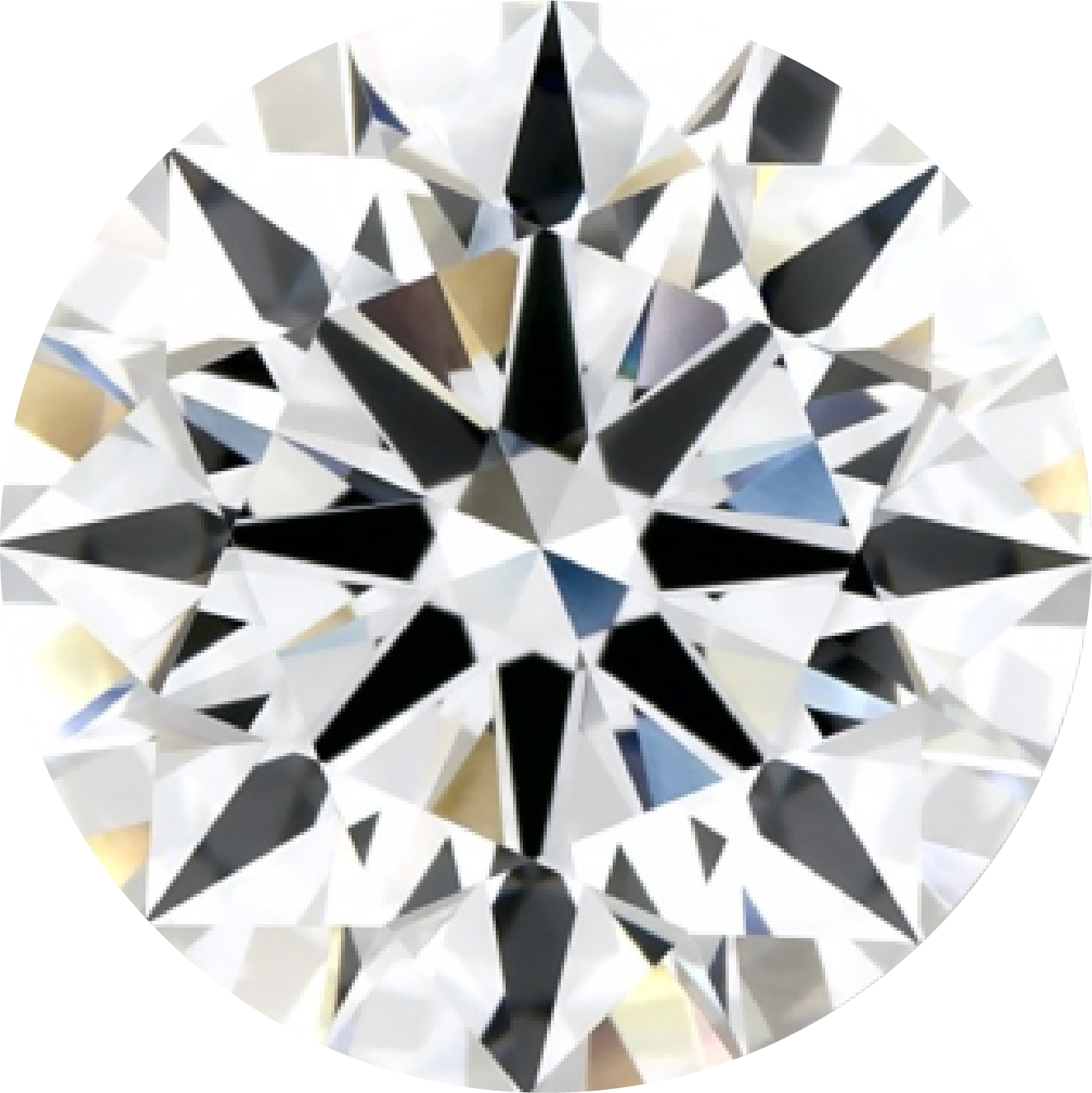
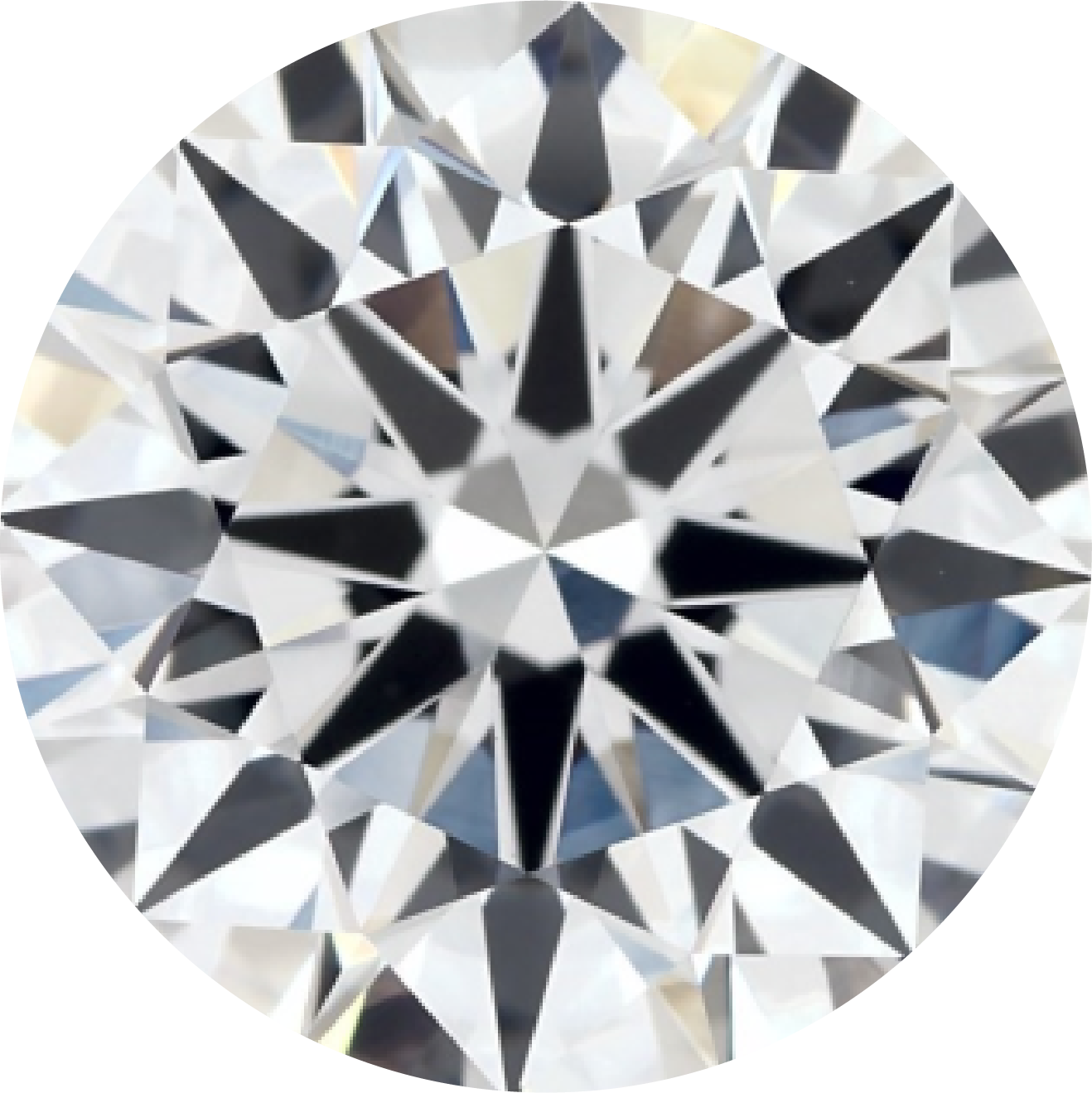
Two identical diamonds: GIA Certified, 1.51ct, D Color, VVS1, Ideal Cut. One is natural ($16,240), the other is lab-grown ($1,970). Choose the diamond you like better and see if you can match it to its origin.
What Drives the Pink Diamond Price? A Breakdown
If you’ve spent any time learning about regular, colorless diamonds, I need you to do something for me now: forget almost everything you know about the 4Cs being equal partners. In the world of colorless diamonds, they are a balanced team. But in the super-specialized realm of the pink diamond, it’s a one-star-player show. And that star’s name is Color.
As a buyer on Reddit asked, “Do the 4cs matter?” The answer is yes, but their hierarchy is completely different. Let me show you how to look at a pink diamond gem through the eyes of a specialist.
The King of the 4Cs: Color Intensity is Everything
For a fancy pink diamond, color isn’t just the most important factor; it is the only factor that drives those headline-making prices. Everything else is secondary. The GIA grades pink diamond color on a very specific scale of intensity. Think of it as a journey from a whisper to a roar:
- Faint, Very Light, Light: These stones have just a subtle hint of pink. As one user in a Reddit discussion wisely warned, a faint or light pink can sometimes look gray or washed out once it’s set in jewelry.
- Fancy Light: A noticeable, beautiful pastel pink.
- Fancy: A solid, moderately saturated pink color. This is where the price starts to climb seriously.
- Fancy Intense: An exceptional, strong, and deeply saturated hue.
- Fancy Vivid: This is the holy grail. An extremely rare grade for the most saturated, pure, and vibrant pinks. The pink diamond value of a Vivid is astronomical compared to all other grades.
- Fancy Deep / Dark: A very strong color that can be so saturated it appears darker, sometimes with a brownish or grayish tone.

This is not a simple linear scale. As one expert commenter on Reddit explained to a user considering a light pink diamond, “each Fancy color grade isn’t simply a point along a line: each grade is a range in itself.” This is why viewing the diamond with your own eyes or through high-quality video is non-negotiable.
Let’s use the examples in the image you’ve seen.
Look at the GIA 2.07 Carat Fancy Pink-VS2 Cushion Modified Cut Diamond on the bottom left. It’s a gorgeous, delicate stone with a clear blush of color, valued at an incredible $546,630.
Now look to its right at the GIA 1.02 Carat Fancy Intense Purplish Pink-SI2 Cushion Modified Cut Diamond. It is half the size, but its color is a deep, saturated, mesmerizing purplish-pink. Its value is $1,273,110.
That is the power of color intensity. A step up from “Fancy” to “Fancy Intense” can be worth more than a million dollars.
ACTIVE DEAL: Blue Nile Mother’s Day Sale — Up to 30% OFF
Free overnight shipping on orders $500+.
Free 30-day returns. Lifetime warranty.
Also: New email subscribers get $50 off their first order of $500+.
Looking for more? Check out the Clear The Vault event.
*Exclusions may apply. See Blue Nile for complete details.
We also have to consider the secondary pink diamond colours. A pure, straight pink is the rarest and most valuable. Often, pink diamonds will have modifying hues, such as purplish, orangey, or the less desirable brownish. A purple pink diamond can be stunning, but a brownish modifier will significantly lower the pink diamond cost.
Carat Weight – The Explosive Multiplier Effect
In the world of natural pinks, this isn’t simple math; it’s explosive math. The rarity of these stones increases exponentially with size. Finding a large, high-quality rough pink crystal is one of the rarest events in the mining world.
This is the answer to the common question, “why is pink diamond so small?” It’s because large ones are geologic miracles.
A 3 carat pink diamond is not three times the price of a 1 carat pink diamond; it could be 20, 30, or even 50 times the price.
Let’s look at the images again for a jaw-dropping, real-world example:
On the top row, we have a 0.66 Carat Fancy Vivid Purplish Pink-IF Heart Shaped Diamond valued at $514,850. An incredible price for a stone under 1 carat.
Now, look at the bottom right. We have the GIA 4.09 Carat Fancy Purplish Pink-VVS2 Radiant Cut Diamond at $1,949,030.
The power of rarity and carat size is on full display here. Understanding this is key to grasping just how different the pink diamond gemstone market is from the standard diamond market you can learn about in our general Diamond Carat Size Chart.
James Allen: Our 5-Star Choice for Price and Selection
Check our comprehensive James Allen Review to learn more about their pricing and commitment.
Clarity & Cut – The Crucial Supporting Actors
While Color is the undisputed star, Clarity and Cut play vital roles in the final presentation.
Clarity:
Clarity is far less important than in a colorless diamond, but it still matters. A pink diamond is so rare that the GIA will grade it even with significant inclusions. However, if an inclusion is so large that it dramatically impacts the beauty, creates a dead spot, or threatens the durability of the stone, the value will decrease.
Finding a pink diamond with a high clarity grade is the ultimate rarity. That 4.09 Carat Radiant Cut Diamond with a VVS2 clarity grade is almost unbelievable for a natural fancy colored stone. While you might seek out a VS1 in a regular diamond after reading my guide on VS1 vs VS2 Clarity, in a pink, an SI1 can be a world-class stone.
Cut:
The goal when cutting a pink diamond is completely different from that of a colorless stone. With a regular Round Brilliant Cut Diamond, the goal is to maximize sparkle and fire.
With a pink diamond, the primary goal is color retention. The cutter makes every decision to maximize the intensity and evenness of the pink hue. This is expert-level work. As one Redditor perfectly explained:
“With colored diamonds, you need to know that they facet them — first — for color retention. So, they can suffer a bit on performance. Radiant and cushion… tend to be better to retain color and ensure even distribution of the color.”
This is why you see so many fancy shapes like Radiants, Cushions, and Pears in the pink diamond world. These pink diamond shapes have faceting patterns that are brilliant at capturing and deepening color throughout the stone.
Your Guide to Buying a Pink Diamond Ring
You’ve learned the two realities, you understand what drives the price, and now it’s time for the most exciting part: bringing it all together to create a stunning pink diamond ring. This is where your smart choices can take a beautiful stone and make it absolutely unforgettable.
Choosing the Right Setting to Maximize Beauty
With a stone as special as a pink diamond, the setting isn’t just a component; it’s a strategy. Your choice of metal and style can dramatically enhance the color and presence of your diamond.
- Rose Gold: My #1 Recommendation This is my go-to choice for almost any light pink diamond engagement ring. The warm, coppery tone of rose gold complements and deepens the pink hue of the diamond. It creates a seamless, romantic, and tonal look that makes the diamond’s color feel richer and more substantial.
- Halo Settings: The Contrast Strategy
If you want to make your pink diamond pop, a halo setting with small, colorless white diamonds is an incredible tool. The brilliant white of the halo creates a stark visual boundary around the center stone, making its pink color appear more saturated and distinct by comparison. It’s a classic jeweler’s trick to amplify color, and it works beautifully.
The style of setting is a personal choice, but its impact is universal. Whether you choose a high-profile solitaire or explore the subtle benefits of a low-set engagement ring, the goal is always to make that pink diamond the hero.
Where to Find Pink Diamonds for Sale?
The path to purchasing a pink diamond is entirely different depending on which reality you choose.
Natural Pink Diamonds:
This is a highly specialized, relationship-based market. You will not find investment-grade natural pink diamonds for sale at your local mall jeweler. This world belongs to high-end, specialist dealers, auction houses like Christie’s and Sotheby’s, and niche online vendors. It’s a process that requires significant capital and expert consultation.
Lab-Grown Pink Diamonds:
This is the new, democratic reality. Thanks to technology, stunning lab-grown pink diamonds are now widely available from the world’s top online retailers. This gives you an incredible range of choices in size, shape, and intensity, allowing you to build your own engagement ring on James Allen or browse a vast inventory on Blue Nile with total confidence.
This accessibility is the driving force behind the projected growth of the pink diamond jewelry market from $3.2 billion in 2024 to $5.1 billion by 2033. Lab-grown stones are turning a fantasy into a multi-billion dollar reality.
To truly understand the value difference, let’s look at the prices side-by-side.
| Stone Description | Carat Weight | Origin | Approx. Price / Value |
| Fancy Vivid Pink Heart Shape | 0.66 Carats | Natural | $514,850 |
| Fancy Vivid Pink Pear Shape | 7.55 Carats | Lab-Grown | $10,070 |
| Fancy Intense Pink Cushion Cut | 1.02 Carats | Natural | $1,273,110 |
| Fancy Intense Pink Emerald Cut | 9.08 Carats | Lab-Grown | $10,600 |
This is not a typo. For just over $10,000, you can get a spectacular lab-grown pink diamond that is ten times larger than a natural stone costing over half a million dollars. Look at the incredible color of the IGI 14.89 Carat Fancy Vivid Pink-VS1 Radiant Cut Lab-Grown Diamond for only $11,170. It is a stunning example of what is now possible.
Read Our 5-Star Blue Nile Review
Check our comprehensive Blue Nile review to learn why we rated Blue Nile 5 stars for their exceptional quality and value.
For a confident and transparent shopping experience, I recommend starting your search with the world’s best online vendors. You can explore the incredible selection of fancy colored diamonds at Blue Nile or use the cutting-edge imaging technology to view stunning pink diamonds at James Allen.
Related Products


Frequently Asked Questions About Pink Diamonds
You have great questions, and in a market this complex, you deserve clear answers. Let’s break down everything you need to know, one question at a time.
How much is a pink diamond worth? Please detail the pink diamond price per carat for a 1 carat stone across grades like Fancy Light pink diamond to Fancy Vivid pink diamond, and explain why pink diamonds are so expensive and rare.
The pink diamond price per carat has the widest range of any gemstone on earth. For a 1 carat natural pink diamond:
A Fancy Light pink diamond might start around $50,000 – $100,000.
A Fancy Pink would be roughly $100,000 – $200,000.
A Fancy Intense Pink could range from $200,000 – $400,000.
A Fancy Vivid pink diamond—the best of the best—will often exceed $500,000 to $700,000+ per carat.
They are so expensive and rare due to a supply and demand crisis. The cause of their color is a rare crystal deformity, and over 90% of the world’s supply from the Argyle mine is gone forever. This incredible rarity is something we explore in depth in our Fancy Color Diamond Rarity Report.
I am looking for a pink diamond engagement ring. What is the cost difference for a 2 carat pink diamond ring versus a 3 carat pink diamond ring, and are pink diamonds more expensive than traditional white diamonds?
Yes, natural pink diamonds are monumentally more expensive than white diamonds. In the natural world, the cost difference between a 2 carat and 3 carat pink diamond ring is exponential, not linear. A top-quality 2-carat might be $1.5 million, while a similar 3-carat could be over $4 million. For lab-grown, the jump is much more predictable: a 2-carat might be $5,000 and a 3-carat might be $8,000. It’s an important factor to consider when deciding how much to spend on a wedding ring.
What are the key factors that determine the pink diamond value, including color and clarity, and is a natural pink diamond a better investment than a treated one?
For a pink diamond, the value hierarchy is: Color, Color, and Color. The intensity, saturation, and purity of the pink hue account for over 90% of its value. Carat Weight is second. Clarity and Cut are distant third and fourth-place factors. A natural pink diamond is considered a hard asset and has proven to be an excellent investment, with values appreciating 399% since 2005.
A treated or lab-grown diamond, while visually identical, does not have this investment-grade rarity and should be purchased for its beauty and value, not as an asset.
Where can I find natural pink diamonds for sale, and what is the typical price for loose pink diamond gemstone options?
You can find natural pink diamonds for sale almost exclusively through high-end, specialized dealers or major auction houses like Sotheby’s and Christie’s. You will not find them in typical jewelry stores. The price for a loose pink diamond gemstone starts around $40,000 for a very small, light-colored stone and goes into the millions of dollars.
What is the most expensive pink diamond ever sold, and what makes a Fancy Vivid pink diamond the pinnacle of rarity and price?
The most expensive pink diamond ever sold is the CTF Pink Star, a 59.60-carat Internally Flawless diamond that sold for a staggering $71.2 million. A Fancy Vivid pink diamond is the pinnacle because that grade is only awarded to stones with the highest, most pure, and most vibrant color saturation possible. It’s the absolute best-case scenario in an already miraculous gemstone, representing the rarest of the rare.
Can you explain what are pink diamonds, why they get their color, and why most natural stones are so small?
Pink diamonds are real diamonds that display a natural pink color. They get their color not from chemical impurities but from a rare phenomenon called “plastic deformation,” where immense pressure deep in the earth compressed the crystal lattice, causing it to absorb green light and reflect a pink hue. Most natural pink diamond stones are so small because the conditions required to create this color are so violent and specific that they rarely allow for large, unflawed crystals to form.
I want a light pink diamond engagement ring. How does the price of a Fancy Light pink diamond compare to a Fancy Intense pink diamond of the same carat weight?
The price difference is enormous. For a 1-carat natural stone, a Fancy Light pink diamond might cost around $75,000, while a Fancy Intense pink diamond of the exact same size and clarity could easily cost over $300,000. You’re looking at a 4x price multiplier or more just for jumping up two color intensity grades. It’s one of the steepest price jumps in the gem world.
I’m trying to determine the authenticity: are pink diamonds real, and how can I verify a real pink diamond ring versus a simulant before making a purchase?
Yes, pink diamonds are 100% real. The only way to verify a real pink diamond ring and protect yourself is to demand a certificate from a top-tier gemological lab. For a natural stone, this must be a GIA certificate. For a lab-grown stone, look for an IGI or GIA report. This report is your absolute proof. Do not buy any significant diamond without one. Our guide on the AGS Grading System also highlights why strict, reputable grading is so crucial.
Give me a comparison of pink diamond wedding ring options for a princess cut pink diamond versus an oval pink diamond, and estimate the cost for a 1-carat size.
For a lab-grown, 1-carat pink diamond wedding ring:
An oval pink diamond is a popular choice as its elongated shape can look larger, and its brilliant-style facets produce incredible sparkle.
A princess cut pink diamond offers a modern, sharp, geometric look with a different kind of fire.
The cost for the loose 1-carat lab-grown stone in either shape will be very similar, typically between $2,000 and $5,000, depending on the intensity of the color. The final ring price will depend on your setting choice.
What is the natural pink diamond price for a 1 carat and 2 carat stone, and what is the difference between a natural pink diamond ring and a non-natural option?
The natural pink diamond price is exponential. A 1-carat high-quality stone can be $500,000+. A 2-carat stone is not double; it’s many times more, often $1.5 million+. The key difference is rarity. A natural pink diamond ring is an investment in one of the rarest materials on Earth. A non-natural (lab-grown) option is a purchase of a beautiful, identical gemstone without the rarity, for a fraction of the cost, making it perfect for those who value aesthetics and budget.
You can explore a wide variety of lab diamonds in our guide on the Oval Cut Diamond.
Summarize the major factors that affect the cost of a 1 carat pink diamond, specifically addressing the impact of an Argyle origin and the difference between Fancy Pink and Fancy Purplish Pink color grades.
The main factors affecting the cost of a 1 carat pink diamond are:
Color Intensity: A Fancy Vivid will be worth many times more than a Fancy Light.
Argyle Origin: A stone with a documented Argyle provenance carries a huge premium (often 20-30%+) due to its iconic status.
Color Purity: A pure Fancy Pink is the most valuable. A secondary hue like in a Fancy Purplish Pink can be stunning, but it’s typically slightly less valuable than a straight, pure pink of the same intensity.
I’ve heard about the Pink Panther diamond price—is this a real pink diamond? Separately, what are the pink diamond prices for a 5 carat pink diamond ring?
The famous “Pink Panther” diamond from the movies is fictional. While iconic, it’s not a real stone. As for a real 5 carat pink diamond ring, you are in the realm of ultra-high-net-worth individuals. A natural 5-carat Fancy Intense Pink would easily fetch 8-12 million or more at auction. A lab-grown 5-carat pink diamond ring would be a fraction of that, likely in the $15,000 to $30,000 range.
What should I look for when buying pink diamonds for sale, and what characteristics define a perfect pink diamond versus one with a brown secondary color?
When looking at pink diamonds for sale, prioritize the color above all else. A perfect pink diamond is defined by a pure, vibrant pink hue with strong saturation and no secondary color modifiers. The most detrimental secondary color is brown (or brownish), as it significantly dulls the vibrant pink and dramatically reduces the diamond’s value. Always look for a GIA report that describes the color as simply “Fancy Vivid Pink” or “Fancy Intense Pink” for the best quality.
Please detail the range of pink diamond colours (hues), and explain how a purple pink diamond is graded and how its rarity affects its value compared to a pure pink stone.
The range of pink diamond colours is fascinating. The primary hue is always pink, but it often has secondary hues, including Purplish, Orangey, and Brownish. A purple pink diamond is graded with the secondary hue listed first (e.g., “Fancy Intense Purplish Pink”). A beautiful purplish modifier is generally the most desirable of all secondary hues.
While a pure pink is technically the rarest and most valuable, a strong purplish-pink is highly coveted and can command prices very close to, and sometimes even rival, a straight pink. It’s a far more desirable combination than orangey or brownish pinks. To learn more about how cut impacts color, check out my Radiant Cut Diamond Secrets guide.
What are the key steps to finding a natural pink diamond engagement ring from a retailer like Blue Nile pink diamond offerings, and what is the expected cost for a high-quality, 1 carat pink diamond?
Finding a natural pink diamond from an online retailer like Blue Nile is extremely rare because of the price point and specialized nature of these stones. While Blue Nile Pink Diamond lab-grown options are available, finding a natural one requires a different process. The key steps would be to contact their specialized diamond consultants directly to see if they can source one for you through their private networks. The expected cost for a high-quality, 1 carat natural stone sourced this way would start around $250,000 and go up sharply.
My Final Verdict: Which Pink Diamond is Right for You?
So, let’s return to the big question: are pink diamonds real? The answer is a resounding YES. They are real in the earth, and they are real from the lab. The right choice for you isn’t about which one is “better,” but which reality aligns with your personal goals.
- For the Investor & Collector:
If you are seeking a tangible asset, a true heirloom with extreme, documented rarity, and you have a substantial budget, then the natural pink diamond is an incredible choice. It is an investment in a geological miracle, a piece of art that will likely continue to appreciate as its supply dwindles. - For the Lover of Beauty & Value:
If you desire the stunning, romantic look of a pink diamond engagement ring—the exact same vibrant color and sparkle—without spending a fortune, then the lab-grown pink diamond is the perfect, smartest choice. You get a chemically and visually identical stone for a fraction of the cost, allowing you to prioritize size and beauty without compromise.
Ultimately, no matter which you choose, you are getting a real, beautiful diamond. The power is that you can now make that choice with your head as well as your heart.
Continue Your Research Journey
You are now equipped with the expert knowledge to understand the two distinct and exciting worlds of pink diamonds. The next exciting step is to master the art of choosing the perfect stone and setting for your budget. These hand-picked guides will take you from a confident buyer to a true expert.
The In-Depth Retailer Reviews
Now you know what to buy, it’s time to master where to buy. See how the top online players stack up.
- A Classic Showdown: See how a massive online inventory compares to old-school retail in our Zales vs. Blue Nile Review.
- A Look at Another Major Player: How does their business model stack up? Learn more in Brilliant Earth vs. James Allen Compared.
- The Innovator Option: Is Ritani a Legitimate Place to Buy From? Get the full story in Is Ritani Legit?.
Advanced Diamond Knowledge
Take your expertise to the next level by mastering the core fundamentals that apply to any diamond you buy.
- The Foundation of All Diamond Buying: Our No-Nonsense Diamond Grading Chart (The 4 Cs).
- A Deep-Dive on Clarity: What is the Best Diamond Clarity for Getting Great Value?.
- Understand How Color is Graded: Our specific guide on the G-Color Diamond.
Practical Guides & Strategies
Let’s turn your knowledge into action with these essential guides for the final steps of your journey.
- A Guide for the Savvy Shopper: The Best Times to Buy a Diamond Ring.
- Thinking About the Future? Learn the ins and outs of the upgrade process in our deep dive, How to Trade In Your Diamond Ring for an Upgrade.
- Visualize the Size of Your Diamond: Our Visual Diamond Carat Size Chart.