

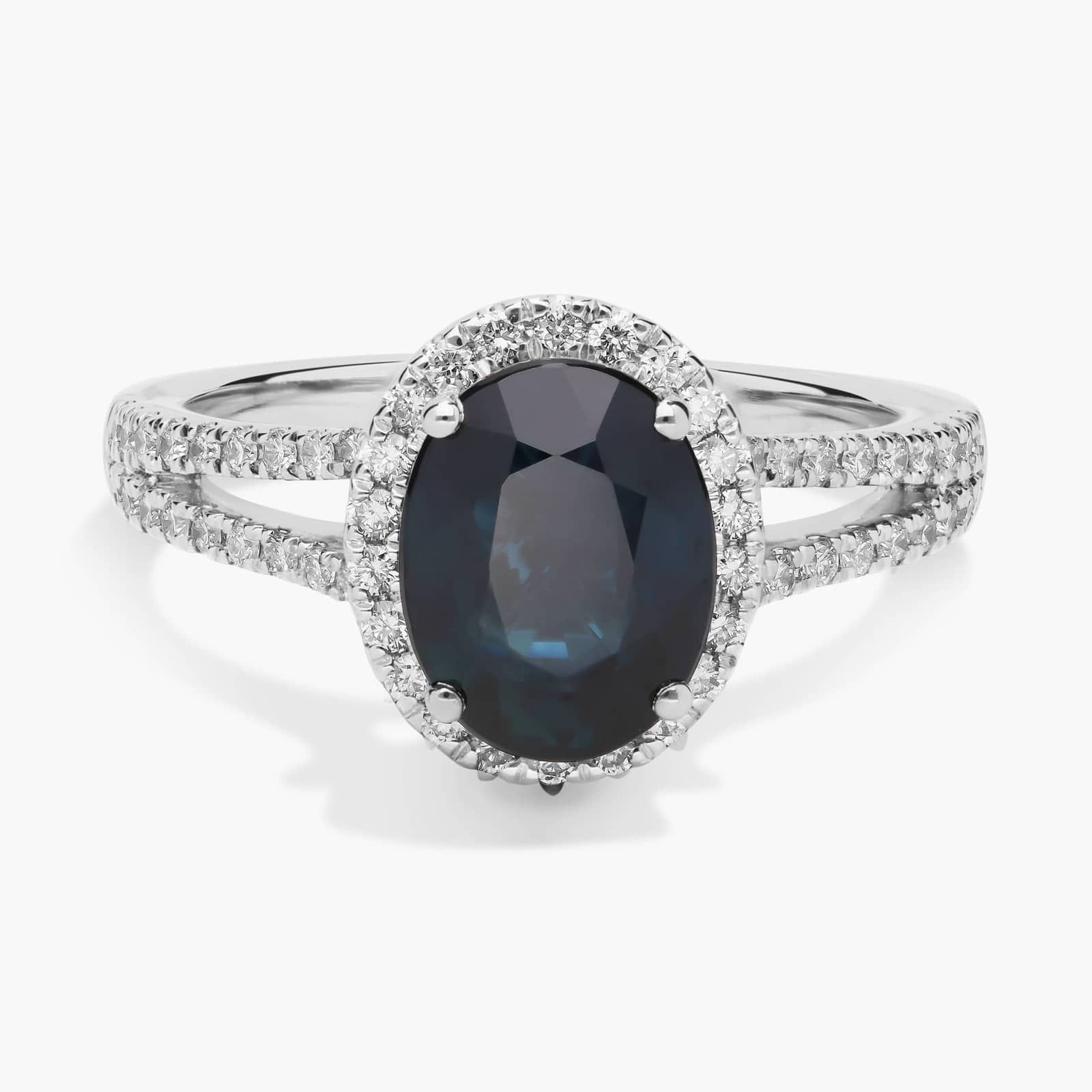

green sapphire costs $200–$1,500 per carat for commercial grades in [year], $1,500–$5,000 per carat for fine color, and $5,000–$12,000+ per carat for investment-grade untreated Montana, Madagascar, or Sri Lankan stones. A 1-carat natural green sapphire ring retails $600–$3,500 depending on origin, color saturation, clarity, and treatment status.
Quick Answer
Green Sapphire Price in 60 Seconds
- Price range: $200–$12,000+ per carat depending on grade and origin. Average retail 1ct ring: $600–$3,500.
- Lab-grown: $30–$200 per carat (90–95% cheaper than natural).
- Best value: Madagascar natural, lightly heat-treated, 1ct = $400–$900.
- Highest price: Montana untreated or Sri Lankan “mint” green = $5,000–$12,000+ per carat for fine color.
- Is green sapphire rare? Yes — green sapphires are among the rarer corundum colors, roughly 5–8% of all sapphire mined.
- Green sapphire vs emerald: green sapphire is 3–5× harder (Mohs 9 vs 7.5), 70–90% cheaper for similar visual effect.
- Who it suits: engagement-ring buyers wanting a durable green stone that costs less than emerald and resists chipping.
Mehedi’s Take: “Green sapphire is the smartest green-stone purchase in 2026. You get the saturation of fine emerald, the durability of ruby, and a price point that undercuts both. The only reason most buyers skip it is unfamiliarity — green sapphires don’t get the marketing budget of blue.” — Mehedi Hasan, Diamond Industry Veteran
Green Sapphire Price Per Carat — [year] Full Reference
Green sapphire price per carat varies more than almost any other colored gemstone because the market spans commercial pale-green stones at $200/ct up through investment-grade untreated Montana “mint” at $12,000/ct. The [year] breakdown:
| Grade | Color Description | Price Per Carat ([year]) | What This Means |
|---|---|---|---|
| Commercial | Pale olive, yellow-green, muddy | $200–$600 | Mass-market stones, often heat-treated, Thai or African origin |
| Good | Clear medium green, slight blue or yellow undertone | $600–$1,500 | The retail “nice green sapphire” tier |
| Fine | Saturated medium green, no gray or muddy tones | $1,500–$3,500 | Jewelry-shop premium tier |
| Very fine | Pure vivid green, excellent clarity, well cut | $3,500–$5,500 | Boutique-level stones |
| Investment grade | Mint, forest, or vivid green from Montana, Madagascar, or Sri Lanka | $5,500–$12,000+ | Untreated, lab-certified, rare origin |
| Lab-grown (any color grade) | Identical appearance to natural | $30–$200 | Chemically identical to natural; 90–95% cheaper |
Verdict: for an engagement ring, aim for the “Good” or “Fine” tier at $600–$3,500 per carat. Below that, color saturation drops noticeably. Above that, you’re paying for rarity and origin paperwork that doesn’t show on the finger. See the full sapphire value per carat calculator for exact pricing on your specs.
Green Sapphire Price by Carat Size — Finished Jewelry [year]
Finished retail jewelry pricing for green sapphire rings at common center-stone sizes. Numbers assume “Good” color grade (saturated medium green), VS clarity, lightly heat-treated, standard 14K white gold solitaire:
| Carat Weight | Face-Up Size | Natural Green Sapphire Ring ([year]) | Lab-Grown Green Sapphire Ring ([year]) | What This Means |
|---|---|---|---|---|
| 0.5 ct | 5.0 mm round | $400–$900 | $150–$300 | Entry size, affordable |
| 1.0 ct | 6.5 mm round / 7×5 mm oval | $600–$3,500 | $250–$550 | Standard engagement spec |
| 1.5 ct | 7.5 mm round / 8×6 mm oval | $1,200–$6,000 | $350–$750 | Larger engagement sweet spot |
| 2.0 ct | 8.0 mm round / 9×7 mm oval | $2,000–$10,000 | $450–$1,100 | Investment-tier natural |
| 3.0 ct | 9.5 mm round / 10×8 mm oval | $4,500–$20,000+ | $700–$1,800 | Statement stone |
| 5.0 ct | 11 mm round / 12×10 mm oval | $12,000–$45,000+ | $1,500–$3,500 | Collector size |
Verdict: the sweet spot for most engagement-ring buyers is 1-carat natural green sapphire in Good color, lightly treated, mounted in a white gold or platinum solitaire — around $600–$3,500 for the finished ring. The pricing ladder jumps steeply above 1.5 carats because large fine-color green sapphire rough is scarce.
Lab-Grown vs Natural Green Sapphire — The Price Gap
Lab-grown green sapphire is chemically, optically, and physically identical to natural green sapphire. Same corundum (Al₂O₃), same Mohs 9 hardness, same refractive index. The only differences are origin, price, and rarity.
| Factor | Natural Green Sapphire | Lab-Grown Green Sapphire | What This Means |
|---|---|---|---|
| Formation | Earth-grown over millions of years | Lab-grown in weeks to months (Czochralski or flux method) | Both are real sapphire chemically |
| Mohs hardness | 9 | 9 | Identical durability |
| Refractive index | 1.76–1.77 | 1.76–1.77 | Identical sparkle |
| Color consistency | Varies stone to stone | Highly consistent | Lab produces predictable color |
| Inclusions | Natural (silk, feathers, crystal) | Few — curved growth lines under magnification | Lab stones look cleaner |
| Price per carat | $200–$12,000+ | $30–$200 | Lab is 90–95% cheaper |
| Resale value | 50–70% of retail at specialist buyers | Minimal | Natural holds value; lab doesn’t |
| Required disclosure | Treatment must be disclosed | Must be sold as “lab-created” or “synthetic” | FTC rules in US |
| Certification | GIA, AGL, Lotus Gemology for premium stones | IGI available but less common | Natural stones have deeper paper trail |
Verdict: buy lab-grown if you want the look of green sapphire at a quarter of the price and don’t care about resale or heirloom-grade sourcing. Buy natural if the stone needs to appreciate in value, come with a lab-certified origin report, or hold family-heirloom status. Both are “real” sapphire by every scientific definition.
Green sapphires don’t get the spotlight they deserve, do they? Everyone talks about blue sapphires, but there’s something undeniably special about that lush green hue. It’s elegant, earthy, and a little unexpected — perfect if you’re someone who loves to stand out without going overboard.
But let’s talk about what everyone really wants to know: how much does a green sapphire cost? Honestly, it depends. The price can swing from a few hundred dollars per carat to several thousand, depending on things like color, clarity, and origin. The richer the green and the fewer the inclusions, the higher the price tag.
And if you’re wondering how green sapphires compare to other options, I’ve got a handy sapphire buying guide you’ll want to check out. It breaks down the difference between lab-created and natural sapphires, which can definitely impact value.
So, what makes these gems worth it? Let’s dive in!
How Much Does a Green Sapphire Cost?
When you start exploring green sapphires, one thing becomes clear — the price varies a lot depending on quality. If you’re wondering what you can expect to pay, let’s break it down into three categories: commercial grade, fine quality, and premium quality.
Below is a detailed price-per-carat table to give you a better idea of what’s realistic when shopping for green sapphires. These prices can fluctuate based on origin, clarity, and treatments, so use this as a guide to make informed choices.
Green Sapphire Price Per Carat
| Quality Grade | Price Per Carat (USD) | Description | Color Saturation | Clarity | Typical Origins |
|---|---|---|---|---|---|
| Commercial Grade | $200 – $500 | Lower-quality stones with pale or uneven color, visible inclusions | Light to Medium Green | Noticeable inclusions | Africa, Australia |
| Fine Quality | $500 – $2,000 | Good color saturation with better clarity | Medium to Deep Green | Minor inclusions, eye-clean | Sri Lanka, Madagascar |
| Premium Quality | $2,000 – $5,000+ | Rare stones with rich color, excellent clarity | Vivid Deep Green | Flawless to near-flawless | Sri Lanka, Myanmar, Madagascar |
What Affects the Price of Green Sapphires?
Let’s break down the key factors that influence green sapphire pricing:
1. Color
The most important pricing factor is color saturation. The more vivid and intense the green, the higher the price. Softer, pale greens tend to be more affordable, but a rich, deep green sapphire can fetch a premium.
2. Clarity
No one wants visible flaws in their gemstone. That’s why clarity is critical. Affordable green sapphires often have inclusions that can be seen without magnification, while eye-clean or flawless sapphires command significantly higher prices.
3. Carat Weight
For sapphires, size really does matter. However, the price increase isn’t linear — it’s exponential. A 2-carat green sapphire may cost three to five times more than a similar 1-carat stone.
4. Origin
Where a sapphire is mined can significantly affect its value. For example, Sri Lankan and Madagascar sapphires are particularly prized for their vibrant green hues and exceptional clarity. If a gemstone comes with an origin certificate, it often carries a higher price tag.
Here’s a helpful perspective from Mehedi Hasan at Aurelia:
“Color and clarity are everything for sapphires. A smaller stone with perfect color can easily be worth more than a larger gem with a washed-out hue or visible inclusions.”
Curious about how sapphires compare in value across different markets? This in-depth sapphire cost breakdown is a great resource to explore current trends.
Diamond IQ Test: Natural or Lab-Grown?
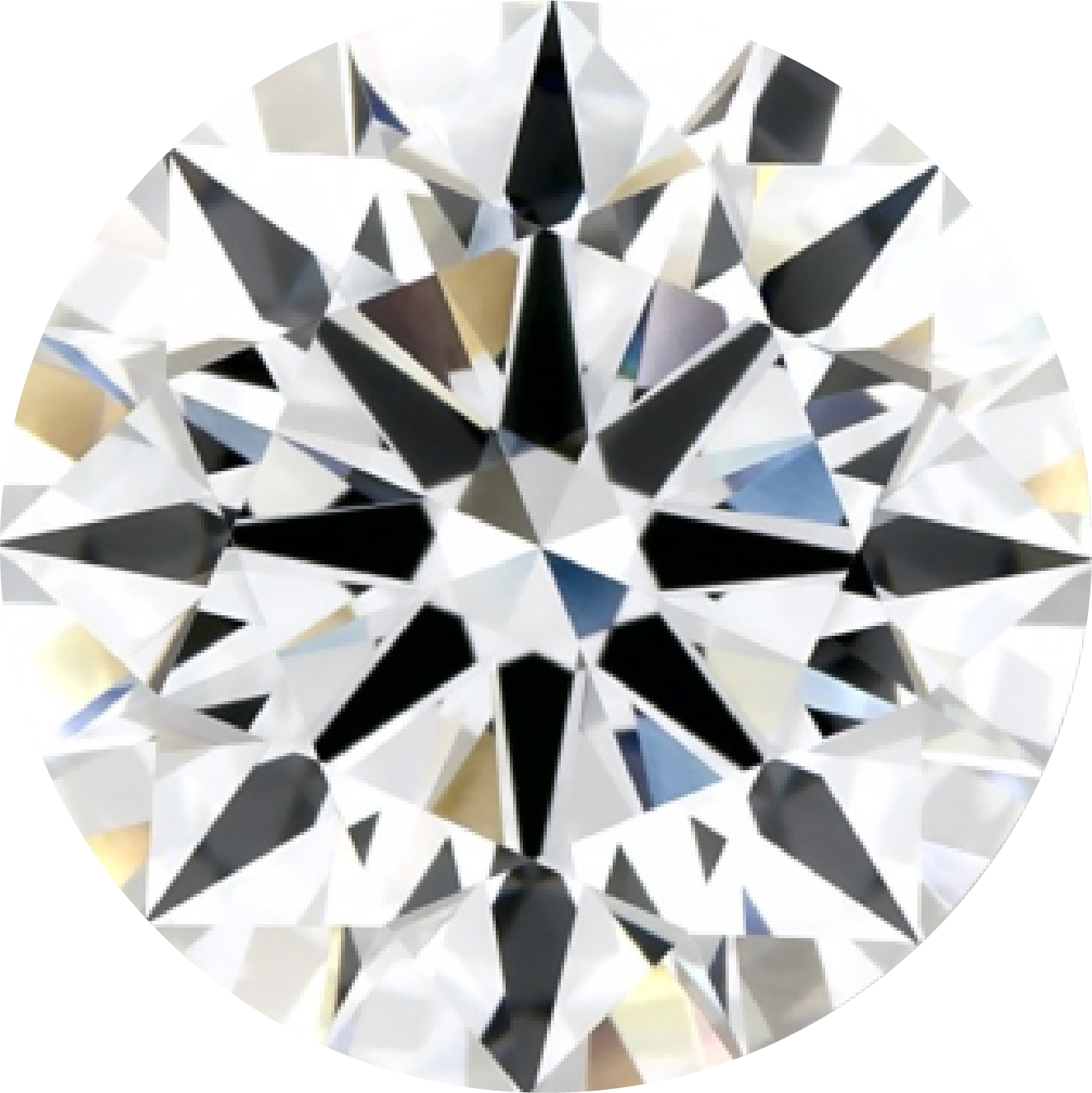
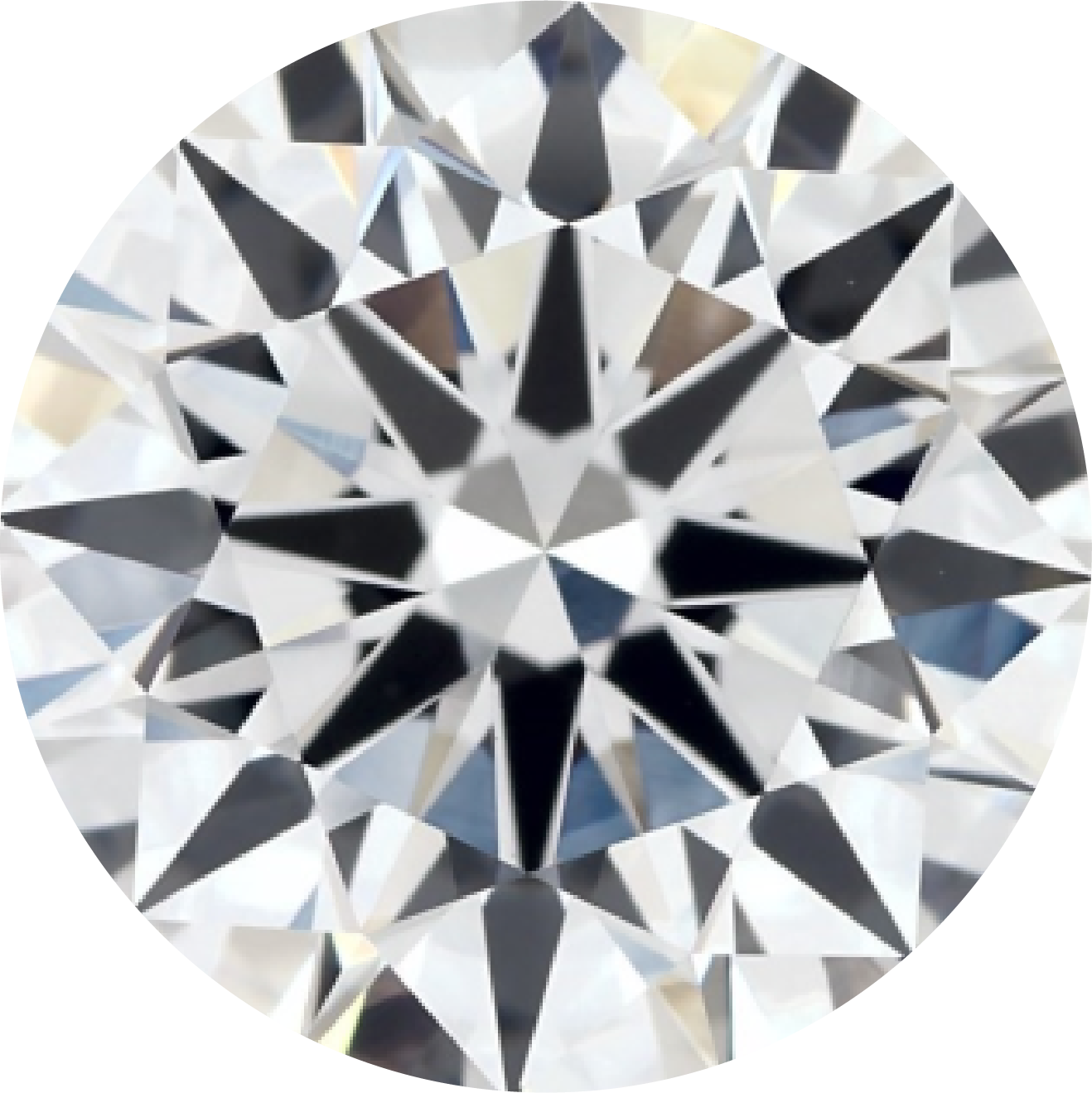
Two identical diamonds: GIA Certified, 1.51ct, D Color, VVS1, Ideal Cut. One is natural ($16,240), the other is lab-grown ($1,970). Choose the diamond you like better and see if you can match it to its origin.
What Impacts Green Sapphire Pricing?
If you’re wondering why green sapphire prices can vary so dramatically, it all comes down to three main factors: color saturation, clarity and cut, and treatments. Let’s break these down so you know exactly what to look for — and what might cause one sapphire to be worth thousands more than another.
1. Color Saturation
Color is king for green sapphires. The richer and more evenly distributed the color, the higher the price tag. Light or washed-out greens tend to fall on the lower end of the price spectrum, while vivid deep greens with excellent saturation command premium prices.
In fact, slight differences in color can mean the difference between a $500 stone and a $5,000 one. If you’re shopping for a green sapphire, you’ll want to look for consistent color across the entire stone — avoid gems with noticeable patches of lighter or darker shades.
According to the Gemological Institute of America (GIA),
“The color of a sapphire is judged by its hue, tone, and saturation, with saturation being the most important factor when determining value”
2. Clarity and Cut
For clarity, inclusions are a big deal. Inclusions are natural imperfections inside the stone, and they’re more common than you might think. But here’s the key: the fewer visible inclusions, the higher the value.
Most sapphires will have some inclusions, but if they’re visible to the naked eye, the price drops significantly. On the other hand, a “loupe-clean” green sapphire (one that shows no flaws under magnification) is incredibly rare and highly valuable.
Cut also plays a huge role in a sapphire’s final value. A poorly cut stone can make even a high-quality sapphire look dull or lifeless. In contrast, a well-cut sapphire maximizes brilliance and makes the color pop.
3. Treatments
One of the biggest pricing factors is whether a sapphire has been treated. Heat treatments are common and can enhance a sapphire’s color and clarity, making them more affordable. However, untreated sapphires are considered more valuable and rare.
Think of it like this: a natural, untreated green sapphire is the gemstone equivalent of an organic, unprocessed diamond. It’s pure, untouched, and commands a premium.
As Richard W. Hughes, a renowned gemologist and author of “Sapphires: A Collector’s Guide,” states:
“An untreated sapphire is the ‘holy grail’ for serious collectors and investors. The market is increasingly valuing stones that have not been subjected to any treatment, especially as demand for natural gemstones rises.”
By understanding these factors, you’ll be better equipped to evaluate a green sapphire’s value. If you want to learn more about sapphire pricing trends and how they’re shaped by these factors, this sapphire cost breakdown can give you more insights.
Is a Green Sapphire a Good Investment?
For gemstone investments, we often think of diamonds and classic blue sapphires. But green sapphires have been gaining attention as a unique and potentially lucrative alternative.
One of the biggest selling points of green sapphires is their rarity. While blue sapphires have long been the go-to for collectors and investors, green sapphires stand out because of their more limited availability.
Sapphires in rich green hues are much rarer than their blue counterparts, which naturally drives up their value over time. If you’re looking to invest in something a bit different while still securing a valuable asset, a green sapphire could be a wise choice.
As for resale value, high-quality gemstones generally hold their worth well, especially if they’re untreated and possess excellent color saturation. Green sapphires with these traits can even see appreciation in price, especially as the market for colored gemstones grows.
Their rarity, paired with increasing consumer demand for unique, alternative gems, makes them an attractive investment.
If you’re thinking of buying a green sapphire with resale potential in mind, remember that high-quality stones from reputable sources tend to retain their value better. It’s also important to keep in mind that the overall condition of the stone — such as its clarity, treatment status, and certification — will directly affect its investment potential.
To learn more about gemstone replacement and how green sapphires stack up, check out our sapphire stone ring replacement guide.
Where to Buy Green Sapphires Online
Shopping for a green sapphire online gives you a lot of options, but you’ll want to make sure you’re buying from reputable vendors. Here are a few great places to find stunning green sapphires, each with their own pros and cons:
1. Blue Nile

Shop Blue Nile Green Sapphires
Blue Nile is one of the most well-known and trusted names in the jewelry world. They offer a wide selection of green sapphires, including those in engagement rings and loose stones. If you’re after quality and reliability, Blue Nile is a solid option.
ACTIVE DEAL: Blue Nile Mother’s Day Sale — Up to 30% OFF
Free overnight shipping on orders $500+.
Free 30-day returns. Lifetime warranty.
Also: New email subscribers get $50 off their first order of $500+.
Looking for more? Check out the Clear The Vault event.
*Exclusions may apply. See Blue Nile for complete details.
Pros:
- Extensive selection of green sapphires
- Excellent reputation for customer service
- Customizable jewelry options
- Detailed product descriptions and certifications
Cons:
- Prices can be on the higher end
- Limited in-person shopping experience
Mehedi Hasan from Aurelia says,
“Blue Nile is a great place to shop if you want transparency in pricing and know that you’re buying from a trusted source.”
Read Our 5-Star Blue Nile Review
Check our comprehensive Blue Nile review to learn why we rated Blue Nile 5 stars for their exceptional quality and value.
2. James Allen

Shop James Allen Green Sapphires
James Allen has made a name for itself with its user-friendly website and 3D imaging technology that allows you to view your green sapphire from every angle before making a purchase. They also offer a huge selection of loose sapphires and settings.
💍 Limited Time: Forge your perfect ring! Get up to 20% OFF engagement ring settings at James Allen!
✨ Conscious Value: Save on brilliance! Lab-Grown Diamonds are now up to 10% OFF at James Allen.
🔥 Flash Sale:
Huge inventory blowout! Save
Pros:
- Interactive tools to view stones in detail
- Excellent customer service
- High-quality sapphires with certification
- Free resizing and lifetime warranty
Cons:
- Higher prices for premium stones
- No physical stores for in-person shopping
Mehedi adds,
“James Allen is my personal recommendation for anyone looking for a sapphire with the convenience of online shopping and the assurance of great quality.”
James Allen: Our 5-Star Choice for Price and Selection
Check our comprehensive James Allen Review to learn more about their pricing and commitment.
3. Amazon

Shop Green Sapphires on Amazon
Amazon has a vast marketplace, and while it’s not always the first place that comes to mind for gemstone purchases, you can find green sapphires at various price points from reputable sellers. Make sure to carefully check the reviews and seller ratings before purchasing.
Pros:
- A wide range of price options
- Convenient shopping with fast shipping
- Customer reviews to guide your decision
Cons:
- Less detailed information on individual stones
- Not all sellers are equally reliable
If you’re looking for green sapphire jewelry and want to see some beautiful pieces, be sure to visit my site at Aurelia. We offer handpicked, high-quality gemstones, including stunning green sapphire pieces that might just be what you’re looking for.
Frequently Asked Questions (FAQs)
Q. What is the rarest sapphire color?
Ans:
The rarest sapphire color is pink-orange, also known as padparadscha sapphire. It’s a unique, beautiful mix of pink and orange hues that occurs naturally in Sri Lanka and is considered one of the most expensive types of sapphire. While blue sapphires are the most common and most popular, colors like green and padparadscha sapphires are rarer and can command higher prices due to their scarcity.
Other rare sapphire colors include:
- Green sapphires: Especially those with rich, vivid color saturation.
- Purple sapphires: Often found in Sri Lanka, they’re less common than other colors.
- Yellow sapphires: Highly valued in the gemstone market.
Q. Are green sapphires valuable?
Ans:
Yes, green sapphires are valuable, but their worth depends on several factors, such as color, clarity, and size. Green sapphires can range from affordable to very expensive based on these attributes. Generally, vivid, deep green sapphires with high clarity and minimal treatment are the most valuable. Here’s what impacts their price:
- Color saturation: The deeper and more even the green, the more valuable.
- Clarity: A sapphire with few or no inclusions will be priced higher.
- Carat weight: Larger sapphires tend to cost more, but the price increases exponentially with size.
- Origin: Sapphires from well-known sources like Sri Lanka or Madagascar are often more expensive.
For example, a high-quality green sapphire from Blue Nile or James Allen could range anywhere from $500 to $5,000 per carat, depending on its grade and size.
Q. How to tell if a green sapphire is real?
Ans:
There are several ways to determine if a green sapphire is real:
- Check for GIA Certification: Always buy from a reputable source that offers a GIA (Gemological Institute of America) certificate. This ensures that the sapphire has been professionally examined and authenticated.
- Look for imperfections: Natural sapphires, including green ones, often have small inclusions or imperfections that can be seen under magnification. A perfect sapphire may be a sign of a synthetic stone.
- Conduct a refractive index test: Sapphires have a high refractive index, meaning they will bend light more sharply than many imitation stones.
- Temperature test: Sapphires retain heat longer than most imitation stones, so if you gently heat the stone, it should take longer to cool.
It’s important to always buy from trusted sources like Blue Nile, James Allen, or reputable local jewelers who provide certificates of authenticity.
How much does a green sapphire cost?
$200–$12,000+ per carat depending on grade and origin. Average 1-carat retail ring: $600–$3,500 natural, $250–$550 lab-grown.
What is the price of green sapphire per carat?
Commercial grade $200–$600, Good $600–$1,500, Fine $1,500–$3,500, Very Fine $3,500–$5,500, Investment grade $5,500–$12,000+. Lab-grown $30–$200.
How much is a 1 carat green sapphire?
1-carat natural green sapphire retails $600–$3,500 for Good to Fine color, $5,000+ for investment-grade untreated. Lab-grown 1-carat: $80–$200.
How much is a green sapphire worth?
Market value for a 1-carat natural ranges $200–$12,000+ by grade. Resale is typically 40–70% of retail at specialist dealers.
Are green sapphires expensive?
Moderately. Commercial green sapphire is affordable ($200–$600 per carat). Investment-grade Montana or Sri Lankan untreated can reach $12,000+ per carat. Still 60–80% cheaper than emerald at the same visual quality.
Are green sapphires rare?
Moderately. Green sapphires are 5–8% of all sapphire mined. Rarer than blue, more common than orange, pink, or padparadscha.
Are green sapphires valuable?
Fine green sapphires with origin certification hold value well. Commercial-grade stones are affordable but hold little investment value. Lab-grown green sapphire has essentially no resale market.
What affects green sapphire pricing?
Color saturation (vivid green premium), origin (Montana, Sri Lanka top), treatment status (untreated commands 30–100% premium), size, clarity, cut quality, and natural vs lab-grown.
Where do green sapphires come from?
Primary origins: Sri Lanka (Ceylon), Montana (United States), Madagascar, Australia (Queensland, NSW), Thailand, Cambodia (Pailin). Montana has gained popularity dramatically since 2020.
Green sapphire vs emerald – which is better?
Green sapphire for durability, clarity, and price. Emerald for historical prestige and deeper resale market. For engagement rings, green sapphire wins decisively — emerald chips too easily.
Green sapphire vs peridot – which is better?
Green sapphire wins for daily wear (Mohs 9 vs 6.5–7), color range, and clarity. Peridot wins on price (90% cheaper). For earrings or occasional wear, peridot works; for engagement rings, green sapphire only.
Is Montana green sapphire valuable?
Yes. Montana green sapphire — especially mint and sage colors from Rock Creek and Yogo mines — commands a premium for American provenance and untreated status. 1-carat fine color: $2,000–$7,000.
Can green sapphires be lab-grown?
Yes. Lab-grown green sapphire is chemically identical to natural (Al₂O₃). 90–95% cheaper than natural. Must be sold as “lab-created” or “synthetic” by FTC rules.
What is a teal sapphire?
A sapphire showing 50/50 blue and green color mix. Fastest-growing engagement ring category 2024-[year]. Price per carat: $2,500–$6,000 for Montana or Madagascar origin.
What is a mint green sapphire?
A pale soft-green sapphire, usually with a blue undertone. Montana is the most famous origin. Trendy for [year] engagement rings. 30–80% price premium over classic forest green.
What is a sage green sapphire?
A soft gray-green sapphire, muted saturation. Popular Montana color. 20–50% premium over classic green.
Is green sapphire good for an engagement ring?
Yes. Mohs 9 hardness and excellent toughness make it durable for daily wear. Prettier color options than emerald, far more affordable. Only diamond beats it for durability in colored stone options.
How does Sri Lankan green sapphire compare to Madagascar?
Sri Lankan (Ceylon) stones command 50–100% premium over Madagascar for similar quality. Sri Lanka produces more mint and clean saturated greens; Madagascar is the volume origin with more variable quality.
What is a parti sapphire?
A sapphire with visible color zoning — commonly green with yellow or blue zones. Australian specialty. Each stone is unique; prices vary widely by zoning quality.
What is the resale value of green sapphire?
50–70% at specialist dealers, up to 100% at auction for investment-grade stones, 25–40% at jewelry stores for trade-in. Lab-grown has 5–15% resale.
Green Sapphire Origins — Sri Lanka, Montana, Madagascar, Australia
Where a green sapphire comes from affects its market value by 30–200%. Four origins dominate [year] green sapphire trade:
Sri Lankan (Ceylon) Green Sapphire
Sri Lanka produces green sapphires in mint, forest, and olive tones with excellent clarity. Sri Lankan stones typically command the highest premium among natural green sapphires. Price per carat (fine color, 1ct): $2,500–$8,500.
Montana Green Sapphire (United States)
Montana green sapphire — primarily from the Rock Creek, Yogo Gulch, and Missouri River mines — has exploded in popularity since 2020. Soft “mint” and “sage” colors, often untreated, with American provenance that commands a premium. Price per carat (fine color, 1ct): $2,000–$7,000 untreated.
Madagascar Green Sapphire
Madagascar is the largest commercial source of green sapphire by volume. Colors range from pale olive to vivid medium green. Most Madagascar green sapphire is heat-treated. Price per carat (good color, 1ct): $400–$1,800.
Australian Green Sapphire
Australian sapphires from Queensland and New South Wales include dark forest green and bottle-green tones. Often sold as “parti sapphire” when they show green with yellow or blue zones. Price per carat (good color, 1ct): $300–$1,200.
Other origins producing green sapphire: Thailand, Cambodia (Pailin), Nigeria, Tanzania. These tend to be commercial-grade with heavy heat treatment. For origin-verified premium stones, request a Lotus Gemology or GIA origin report.
Mehedi’s Take: “Montana green sapphire is the single hottest colored gemstone origin of 2024-2026. American provenance plus untreated status plus the soft sage-mint color palette hit every modern buyer trigger. Expect prices on fine Montana stones to climb another 20-30% through 2027.” — Mehedi Hasan, Diamond Industry Veteran
Green Sapphire Color Variants — Mint, Sage, Teal, Olive, Forest, Blue-Green
“Green sapphire” covers a wide color spectrum. Each color variant has its own market price and audience:
| Color Variant | Description | Price Premium / Discount | What This Means |
|---|---|---|---|
| Mint green | Pale soft green, often with blue undertone | +30–80% premium | Trendiest color for 2026 engagement rings |
| Sage green | Soft gray-green, muted | +20–50% premium | Popular Montana look |
| Teal (blue-green) | 50/50 mix of green and blue tones | +40–100% premium | Fastest-growing category 2024-2026 |
| Forest green | Deep saturated green, slight yellow | Baseline price | Classic “green sapphire” look |
| Olive green | Yellow-green, muddy | -30 to -50% discount | Least desirable color tone |
| Vivid medium green | Pure saturated green, no undertone | +50–150% premium | The “emerald substitute” grade |
| Dark bottle green | Very dark saturated green | Baseline to slight discount | Australian specialty |
| Parti sapphire (green + yellow) | Visible color zoning | Variable (sometimes premium) | Unique look, hard to price consistently |
Verdict: if you want modern-trendy, go mint or teal. If you want classic “green gemstone” look, go forest or vivid medium green. Skip olive — it will depreciate faster than the other variants. Teal and mint have shown the strongest market appreciation 2024-[year].
Green Sapphire vs Emerald — The Smart Buyer’s Comparison
Green sapphire and emerald compete for the “fine green engagement stone” position. The honest side-by-side:
| Factor | Green Sapphire | Emerald | What This Means |
|---|---|---|---|
| Mohs hardness | 9 | 7.5–8 | Sapphire is dramatically more scratch-resistant |
| Toughness | Excellent | Poor (chips and oils regularly) | Sapphire survives daily wear far better |
| Clarity (typical) | Eye-clean VS or better | Heavy inclusions (“jardin”) expected | Sapphire looks cleaner at the same budget |
| Color range | Mint to forest to vivid green | Pure saturated green (narrower) | Sapphire offers more color options |
| Treatment status | Usually lightly heat-treated | Almost always oil-treated (99%) | Sapphire treatment is more stable |
| 1ct fine color price | $1,500–$3,500 (natural) | $5,000–$12,000+ | Green sapphire 60–80% cheaper for similar look |
| Resale market | Growing | Established | Emerald has deeper resale market |
| Daily wear safe | Yes | Marginal — chips easily | Sapphire wins for engagement rings |
Verdict: for an engagement ring you’ll wear every day, green sapphire wins decisively on durability and price. Emerald wins only on historical prestige and resale market depth. Browse comparable options at Blue Nile gemstone engagement rings.
Green Sapphire vs Peridot — Budget Alternative Compared
Peridot is the budget alternative buyers consider when green sapphire feels expensive. The important comparison:
| Factor | Green Sapphire | Peridot | What This Means |
|---|---|---|---|
| Mohs hardness | 9 | 6.5–7 | Peridot scratches easily; wrong for daily wear |
| Color | Mint, forest, teal, vivid green | Yellow-green, lime, olive only | Peridot cannot produce blue-green or deep forest |
| Toughness | Excellent | Fair to poor | Peridot cracks under impact |
| Clarity | Usually clean | Lily-pad inclusions common | Different inclusion signatures |
| 1ct price (natural) | $600–$3,500 | $50–$300 | Peridot 90% cheaper |
| Engagement ring suitable | Yes | No — too soft | Peridot works for earrings, pendants, not rings |
| Available colors | 8+ variants | Essentially one (yellow-green) | Sapphire gives you creative options |
Verdict: peridot is a budget alternative but not a substitute. If you want a green engagement ring, pay the sapphire premium — peridot will scratch and chip within a year of daily wear. For earrings or occasional-wear pieces, peridot works fine.
Are Green Sapphires Rare? Are They Expensive?
Yes to both — moderately. Green sapphires account for roughly 5–8% of all sapphire mined worldwide, making them rarer than blue (which dominates the market) but more common than orange, pink, or padparadscha. “Rare” in the gem trade is a sliding scale.
Expensive compared to what:
- Compared to blue sapphire: green sapphire is 20–40% cheaper per carat at the same quality grade. Market dynamics favor blue.
- Compared to emerald: green sapphire is 60–80% cheaper for a similar green look, and far more durable.
- Compared to peridot: green sapphire is 10–20× more expensive but 3× harder.
- Compared to tsavorite (green garnet): green sapphire is 40–60% cheaper and more widely available.
- Compared to lab-grown green sapphire: natural is 10–20× more expensive but holds resale value.
Investment-grade untreated Montana or Sri Lankan green sapphire at $8,000+ per carat qualifies as “expensive.” Commercial Madagascar green sapphire at $200 per carat does not. The term “expensive” is relative to the stone’s origin, color saturation, and treatment status.
Mehedi’s Take: “The question I get most about green sapphire isn’t about price — it’s about which green. Buyers see photos of mint, teal, forest, and olive and assume they’re all the same stone. They’re not. The green sapphire you want for a modern engagement ring is probably mint or teal, not forest. Know the color before you shop.” — Mehedi Hasan, Diamond Industry Veteran
Green Sapphire Resale Value — What You’ll Actually Get Back
Natural green sapphire retains more resale value than most colored gemstones, but less than diamond. Approximate [year] resale percentages by selling channel:
| Sales Channel | % of Retail Recovered | Timeframe | What This Means |
|---|---|---|---|
| Specialist colored stone dealer | 50–70% | Immediate | Highest recovery for authenticated, origin-verified stones |
| Auction house (Christie’s, Sotheby’s, Bonhams) | 60–100% (fine stones only) | 6–12 months | Only works for investment-grade untreated stones |
| Private sale (eBay, Chairish, LoupeTroop) | 40–60% | Weeks to months | Patient sellers do best |
| Jewelry store trade-in | 25–40% | Immediate | Fast but low recovery |
| Pawn shop | 10–20% | Immediate | Last resort only |
| Lab-grown stones (any channel) | 5–15% | Variable | Essentially zero resale market |
Verdict: if resale matters, buy natural, untreated, origin-verified green sapphire from Montana or Sri Lanka with lab certification. If resale doesn’t matter, lab-grown or Madagascar heat-treated gives you the same look for 70–95% less upfront. See the full sapphire value calculator.
Decision Matrix — Which Green Sapphire for Your Situation
| Your Situation | Buy This Spec | Expected Price (1ct) | What This Means |
|---|---|---|---|
| Classic engagement ring, mid-budget | Madagascar natural, Good color, heat-treated | $600–$1,500 | Durable, pretty, holds decent resale |
| Modern mint or sage look | Montana natural, untreated, mint/sage color | $2,000–$5,000 | American provenance, trending category |
| Maximum value (lab-grown OK) | Lab-grown IGI-certified green sapphire | $80–$200 | Identical appearance at 90% off |
| Investment / collector | Sri Lankan untreated, lab-certified origin | $3,500–$10,000+ | Highest resale potential |
| Teal engagement ring | Montana or Madagascar teal (blue-green) | $2,500–$6,000 | Fastest-growing category 2024-2026 |
| Earrings or pendant (not daily wear) | Lab-grown or commercial-grade natural | $40–$500 | Low-impact wear means lower spec OK |
| Men’s ring with green stone | Dark forest green Australian sapphire | $300–$1,500 | Darker colors suit masculine designs |
| Vintage engagement look | Natural Sri Lankan or Ceylon, lightly treated | $1,500–$5,000 | Traditional provenance, classic cut |
| Alternative to emerald | Fine vivid green natural, any origin | $1,500–$3,500 | Same look at 60–80% less, far more durable |
Verdict: for 70% of buyers, the right answer is a 1-carat natural Madagascar or Montana green sapphire in Good or Fine color at $600–$3,500. Only investment buyers and collectors need to pay above $5,000 per carat. Browse the current retail inventory at Blue Nile sapphire selection.
Mehedi’s Final Take: “Green sapphire has been underpriced for 20 years because the market talks about blue. That’s changed since 2023 — Montana green sapphires, teal engagement rings, and emerald alternatives have all driven demand up. If you’re buying now, you’re buying before the next price rise, not during the peak.” — Mehedi Hasan, Diamond Industry Veteran
See Also — Related Sapphire & Gemstone Guides
- Sapphire Gemstone Complete Guide
- Blue Sapphire Buying Guide
- Pink Sapphires
- Yellow Sapphire
- White Sapphire
- Padparadscha Sapphire
- Montana Sapphires Guide
- Unheated Sapphire
- Sapphire Value Per Carat Calculator
- How Much Does a Sapphire Ring Cost
- Lab vs Real Sapphire
- Sapphire Luster Guide
Conclusion
Green sapphires are not only stunning but also a valuable addition to any jewelry collection. Their rarity, combined with factors like color, clarity, and origin, makes them a unique investment. Whether you’re drawn to their vivid hues or considering their potential value over time, green sapphires offer both beauty and opportunity.
Be sure to shop from reputable sources like Blue Nile, James Allen, and trusted sites like Aurelia, and always look for GIA certifications to ensure authenticity.
Ready to find the perfect green sapphire? Your search for quality and value starts here!
Blue Nile is one of the biggest and most recognized online jewelry retailers, offering an extensive and exclusive inventory. Their high-resolution images are improving and getting closer to the quality offered by James Allen, while their prices remain highly competitive. Right now, Blue Nile offers up to 30% savings on jewelry during a limited-time sale.
WHAT WE LOVE ABOUT THEM:
- 30-day no-questions-asked return policy, with a prepaid shipping label provided by Blue Nile.
- Lifetime warranty on all purchases.
- Free shipping on every order.
- Complimentary services every six months, including prong tightening, repolishing, rhodium plating, and cleaning.
- Insurance appraisal included with your purchase.
- One free resizing within the first year.
- High-quality images available for roughly half of their diamond selection.
- 24/7 customer service support.
- Full credit toward future upgrades, as long as the new item is at least double the value.
- Best-in-class order fulfillment process.


James Allen is a top leader in online diamond sales, offering cutting-edge imaging technology that lets you inspect diamonds as if you were using a jeweler's loupe. With the largest exclusive selection of loose diamonds available online and excellent pricing, they also boast one of the finest collections of lab-created diamonds on the market. They currently run a 25% discount on selected lab-grown diamonds!
WHAT WE LOVE ABOUT THEM:
- 30-day no-questions-asked return policy, with a prepaid shipping label provided by James Allen.
- Lifetime warranty on all purchases.
- Free international shipping.
- Complimentary prong tightening, repolishing, rhodium plating, and cleaning every six months.
- Insurance appraisals included with purchases.
- One free resizing within 60 days of purchase.
- Free ring inscriptions available.
- Best-in-class high-quality imagery for every diamond in stock.
- 24/7 customer support.
- Premium, best-in-class packaging.