



the table of a diamond is the flat, octagonal top facet — the largest face on the stone and the window through which light enters and exits. Ideal table percentage for a round brilliant is 54–58%, ideal depth is 60–63%. These two numbers alone determine 80% of a round diamond’s brilliance. Below 53% or above 60% table = light leakage. Below 59% or above 63% depth = fish-eye or dark center.
Quick Answer
Diamond Table Explained in 60 Seconds
- What it is: the flat octagonal facet on top of a diamond — the biggest, most light-receiving face.
- How it’s measured: table percentage = (table width ÷ average girdle diameter) × 100.
- Ideal for round brilliant: table 54–58%, depth 60–63%, crown angle 34–35°, pavilion angle 40.6–41°.
- Table vs depth: table = top face size. Depth = total height ÷ width. Both matter; depth usually matters slightly more.
- Red flags: table under 53% = tiny top, dim stone. Table over 60% = flat, lifeless. Depth under 59% = fish-eye glass look. Depth over 63% = dark center, small face-up.
- By shape: round 54–58%, oval 53–63%, cushion 58–65%, princess 65–75%, emerald 58–64%, pear 54–63%, marquise 54–62%, heart 54–62%.
- Where to check: every GIA certificate lists table % and depth %. Verify before buying from Blue Nile’s GIA-certified inventory.
Mehedi’s Take: “Buyers obsess over color and clarity but ignore table and depth percentages — then wonder why their D VVS1 diamond looks dull. Cut proportions determine 80% of visible sparkle. A G VS2 with ideal table and depth outperforms a D VVS1 with poor proportions every single time.” — Mehedi Hasan, Diamond Industry Veteran
What Is Diamond Table Percentage? Formula + Example
Diamond table percentage measures how much of the stone’s total top width is taken up by the flat central table facet. It’s calculated as:
Table % = (Table width ÷ Average girdle diameter) × 100
Example: a round brilliant with a 3.5mm table facet and 6.5mm average girdle diameter has a table percentage of (3.5 ÷ 6.5) × 100 = 54% — right at the ideal low end.
Why it matters:
- Too small (under 53% on round): too little light enters the stone. The diamond looks dim and dark despite its carat weight.
- Too large (over 60% on round): too much light passes straight through without refracting. The stone looks flat, “glassy,” and lacks fire.
- Within ideal (54–58% on round): maximum light interaction with crown and pavilion facets. Maximum fire and brilliance.
You don’t need to measure yourself — every GIA, IGI, or AGS certificate prints the table percentage. The GIA Diamond Grading Report lists it in the “Proportions” section near the top. See the ideal ranges for your diamond’s shape in the full chart below.
What Is Diamond Depth Percentage?
Depth percentage is the diamond’s total height from table to culet, divided by the average girdle width. Formula:
Depth % = (Total height ÷ Average girdle diameter) × 100
Example: a round brilliant 4.0mm tall with a 6.5mm girdle has a depth percentage of (4.0 ÷ 6.5) × 100 = 61.5% — right in the ideal range.
What depth percentage affects:
- Too shallow (under 59%): the diamond leaks light through the pavilion (“fish-eye” effect — you see a ring of reflection around the table).
- Too deep (over 63%): the diamond faces up smaller than its carat weight suggests. Light enters and gets trapped in the pavilion, producing a dark central area.
- Within ideal (60–63%): light enters crown, bounces off pavilion facets, returns through crown. Maximum brightness and face-up size.
Depth is listed on the GIA certificate under “Depth %” in the Proportions section. For a round brilliant, pair table 54–58% with depth 60–63% for ideal performance.
Table vs Depth — Which Matters More?
Both matter, but depth usually matters slightly more for face-up appearance. A stone with ideal depth and borderline table still looks bright. A stone with ideal table and bad depth often looks dark or glassy.
| Property | Table | Depth | What This Means |
|---|---|---|---|
| What it measures | Top flat facet width (relative) | Total height (relative) | Different dimensions of the same stone |
| Ideal round brilliant | 54–58% | 60–63% | Both need to be in range for GIA Excellent cut |
| Visual impact if wrong (too small/shallow) | Dim appearance | Fish-eye effect | Depth problems are more visible |
| Visual impact if wrong (too large/deep) | Glassy flat look | Dark center, smaller face-up | Depth too deep hurts carat weight visibility |
| Face-up size influence | Minor | Major | Deep stones look smaller than their carat weight |
| Light return influence | Significant | Significant | Both affect brilliance |
| Fire (rainbow dispersion) influence | Major | Minor | Table size controls fire more than depth |
| Priority when shopping | Second priority | First priority | Check depth first; table second |
Verdict: if you can only check one number, check depth. A round brilliant with depth 60–62% almost always performs well. Then verify table is 54–58%. These two numbers predict the stone’s look better than color, clarity, or carat combined. See the full triple excellent grade breakdown for how cut, polish, and symmetry layer on top.
Ideal Table and Depth by Diamond Shape — Full Chart
Every diamond shape has different ideal proportions because facet geometry varies. Use this as your shopping checklist — any stone outside these ranges should raise questions before you buy.
| Shape | Ideal Table % | Ideal Depth % | Crown Angle | What This Means |
|---|---|---|---|---|
| Round brilliant | 54–58% | 60–63% | 34–35° | Tightest tolerance — buy GIA Excellent only |
| Oval brilliant | 53–63% | 58–62% | 32–37° | Wider ranges acceptable; watch for bow-tie |
| Cushion (modified brilliant) | 58–65% | 61–68% | 35–40° | Deeper than round; faces up smaller |
| Princess (square modified brilliant) | 65–75% | 65–75% | varies | High table and depth normal for this shape |
| Emerald (step cut) | 58–64% | 60–68% | N/A | Step cuts don’t use crown angle |
| Asscher (square step cut) | 60–68% | 60–67% | N/A | Step cut like emerald but square |
| Pear (brilliant) | 54–63% | 58–63% | 32–37° | Watch length-to-width ratio and bow-tie |
| Marquise (brilliant) | 54–62% | 58–63% | 32–37° | Longest face-up per carat; bow-tie risk |
| Heart (brilliant) | 54–62% | 58–63% | 32–37° | Symmetry matters more than table/depth |
| Radiant (modified brilliant) | 61–69% | 61–67% | varies | Deeper proportions than round or oval |
| Trillion (brilliant triangle) | 52–57% | 32–38% | varies | Very shallow depth is normal for this shape |
Verdict: round brilliants have the tightest tolerances and require GIA Excellent cut grade for best performance. Fancy shapes (oval, pear, marquise, cushion) have wider acceptable ranges because their geometry varies between cutters. For any stone outside these ranges, request additional videos and ask the retailer specifically why the proportions deviate. Browse GIA-certified round and fancy shapes at Blue Nile Diamond Search.
Expert Quick Take: My Honest Opinion on the Diamond Table “Trap”
In [year], the biggest mistake I see buyers make is falling for the “Large Table Illusion.” Many people think a wider table (the flat top facet) makes a diamond look bigger.
In reality, a table that is too large kills the Fire (the rainbow flashes) of the stone because it leaves no room for the crown facets to disperse light. If you want a diamond that actually “talks” from across the room, you need to prioritize the Cut Grade and Proportions over raw diameter.
A perfectly proportioned 1-carat diamond will always out-sparkle a “spready” 1.2-carat stone with a massive, flat table.
The [year] Diamond Proportion Blueprint
| Diamond Shape | Ideal Table % | Ideal Depth % | Mehedi’s “Sweet Spot” |
|---|---|---|---|
| Round Brilliant | 54% – 57% | 59% – 62.6% | 56% Table / 61.5% Depth. Hits the perfect balance of fire and brilliance. |
| Princess Cut | 69% – 75% | 68% – 74% | The Fire Factor. Aim for a table under 72% for better fire and light return. |
| Cushion Cut | 61% – 68% | 61% – 68% | Depth > Table. Always ensure the depth percentage is higher than the table for a classic glow. |
| Emerald Cut | 60% – 68% | 61% – 68% | The 65% Rule. A 65% Table provides the clearest and most structured “Hall of Mirrors” effect. |
| Oval Cut | 53% – 63% | Below 68% | Bow-Tie Defense. Avoid the dark “Bow-tie” effect through the center by securing a 58% table. |
| The 2026 Proportions Verdict: You cannot evaluate a diamond purely on carat weight. Fancy shapes (like Ovals, Emeralds, and Princess cuts) are not assigned official Cut grades by the GIA. Therefore, you must manually check the Table and Depth percentages to ensure you aren’t buying a “dead” stone that leaks light. | |||
The Science of Sparkle: Table vs. Depth
The Table is your window into the diamond. It’s responsible for Brilliance (white light return). However, the Depth (the stone’s height) acts as the engine.
- If the table is too large: The light enters but doesn’t hit the internal mirrors (the pavilion facets) at the right angle. It leaks out the bottom, making the center look “watery” or dead.
- If the stone is too deep: You get a “Nailhead” effect—a dark, shadowy circle in the center because the light is bouncing off the bottom at an obscure angle.
- The 2026 Golden Rule: Always look for a GIA or IGI “Excellent” Cut grade. These labs have already done the math to ensure the table and depth work in harmony.
3 Common Mistakes to Avoid
- Overvaluing “Face-Up” Size: “Spready” diamonds have shallow depths and huge tables. They look big on the finger but have zero “life.” They look like glass, not a diamond.
- Ignoring the Crown Angle: The table doesn’t work alone. For a round diamond, an ideal 34–35 degree crown angle is the “secret sauce” that turns a high-table diamond into a fire-breathing masterpiece.
- Buying “Paper Pretty” Stones: Some cutters manipulate angles to make the numbers look perfect on a certificate while the stone still leaks light. Always use James Allen’s 40x Super-Zoom or Blue Nile’s 360° HD Video to see the actual light return.
The Mehedi Hasan [year] Buying Strategy
- For Round Diamonds: Strictly stay between 54% and 57% for the table. This is the “GIA Excellent” sweet spot.
- For Fancy Shapes (Oval, Pear): Tables can be wider (up to 63%), but ensure the Depth % is higher than the Table % to maintain an elegant silhouette.
- The “Mirror Luster” Check: If the table looks like a dark hole in the video, the depth is likely too high. If it looks completely white and flat, the table is likely too large.
Deal Alert: Mother’s Day Sale Up To 30% Off* select fine jewelry at Blue Nile.
New Collection: Shop the James Allen Collection at Blue Nile.
Vault Sale: “Clear The Vault” – Get up to 70% OFF at Blue Nile!
Flash Sale: Save up to 40% OFF sitewide at Rare Carat.
Exclusive: Get up to 60% OFF select fine jewelry at Ritani.
Choosing the wrong diamond table can dramatically change both the beauty and value of your Diamond. But it is a mistake that most buyers make unknowingly. Much ado is made about a diamond’s color, clarity and carat weight — but neglecting the table (the flat top facet of the diamond) could prove to be an expensive oversight.
The diamond table is integral to how the stone interacts with light and affects its sparkle, fire and brilliance. Poorly Proportioned Table is what can make even a quality diamond look dull and lifeless.
So, how do you keep from falling into this common trap? Learning the secrets of diamond table can help you make a purchase with assurance and it means that the beauty as well as value of your diamonds becomes doubled.
In this article, we dig up everything of which you should be aware for the best placement percentages and simultaneously expose common buyer mistakes.
Whether you are on the hunt for an engagement ring or considering a more lavish piece, these diamond table tricks will keep you far away from any catastrophe choice and guarantee your stone shines out at its best.
Diamond IQ Test: Natural or Lab-Grown?
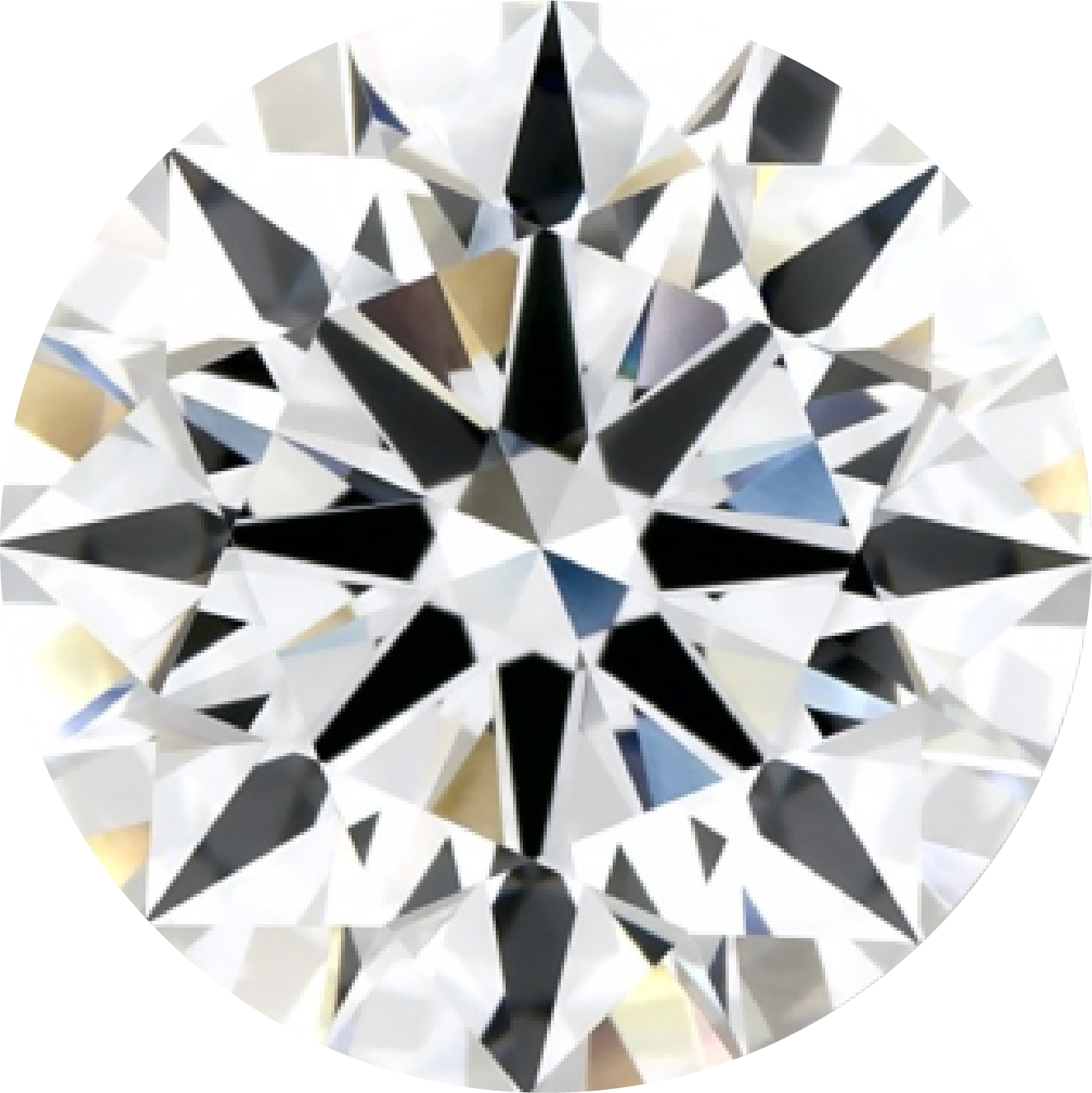
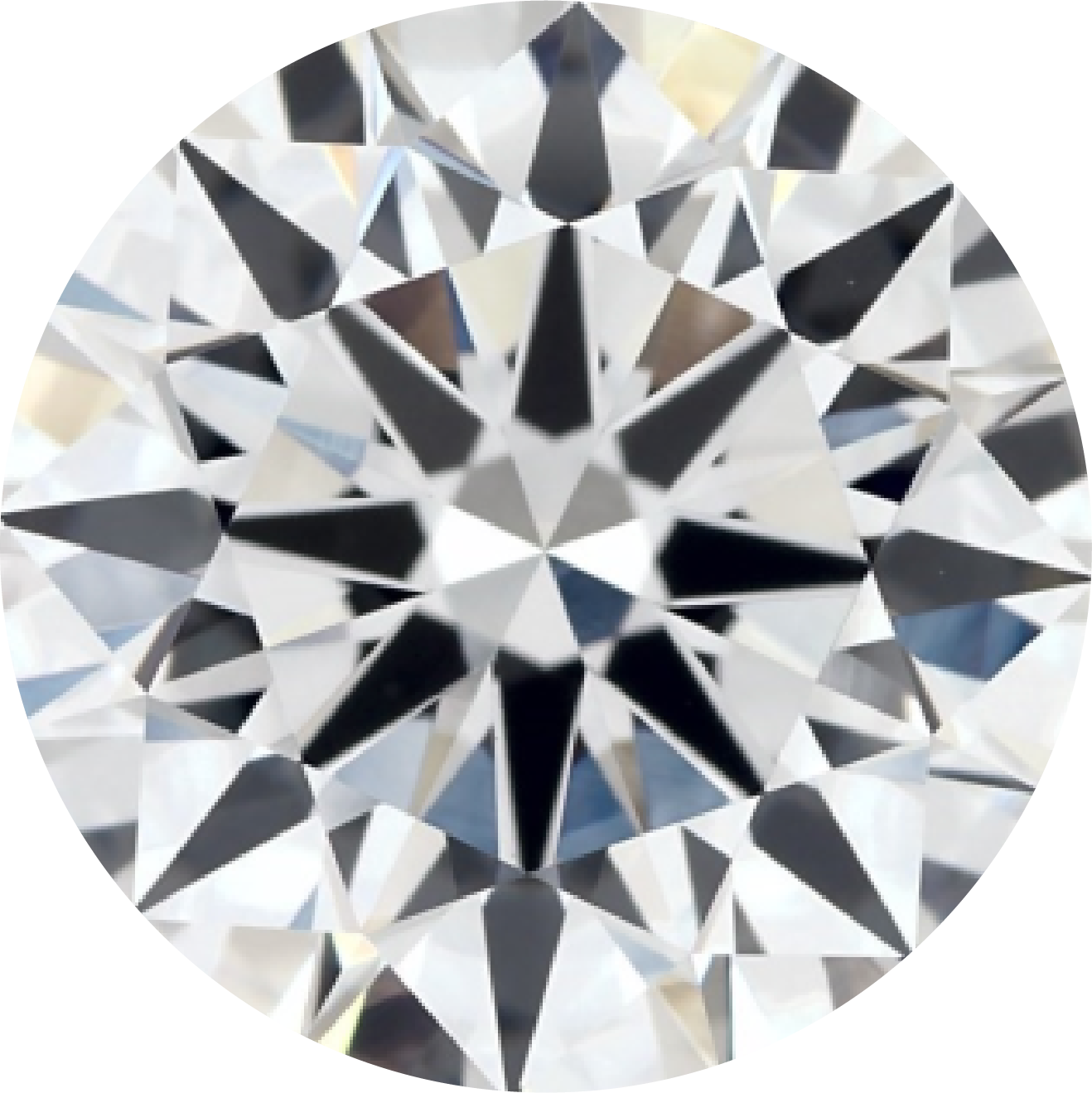
Two identical diamonds: GIA Certified, 1.51ct, D Color, VVS1, Ideal Cut. One is natural ($16,240), the other is lab-grown ($1,970). Choose the diamond you like better and see if you can match it to its origin.
What Is a Diamond Table?

The table of a diamond is its largest, flat facet that can easily be seen from the top. This part of the diamond is truly important, as it directly impacts how a buy looks and performs. Choosing between a round brilliant, princess or cushion cut diamond, the table proportions could determine how breathtaking your precious diamond is.
The perfect table percentage changes depending on the shape of a diamond. A table size in the range of 54%-57% works best for round cut diamond as an example. For a princess cut, on the other hand, you should expect to see 69% – 75%. The right table proportion is key to making sure that your diamond has the ultimate brilliance from all types of lighting.
The Role of the Table in Diamond Brilliance
- The diamond table is the flat, topmost facet.
- It directly affects how light enters and reflects, influencing the stone’s sparkle and fire.
- A key feature that impacts the diamond’s overall cut grade.
- For round diamonds, an ideal table range is between 54% and 57% of the diamond’s width.
- For princess cuts, an excellent table size falls between 69% and 75%.
The table is the open space on top of a diamond that allows light to enter which in turn refracts and diverts this light creating one scintillating sparkle purchasers expect. The best-cut diamonds will still fail to exhibit their the light performance without a well-proportioned table.
Consider this diamond from James Allen as an example. It’s one of the least desirable options you can find. The depth and table measurements are significantly outside the acceptable range for a quality round diamond. However, if this were a cushion cut diamond, those same numbers would actually be quite impressive.
Why Diamond Table Size Matters
Diamond table size, probably more than any other checklist item impacts the appearance of a diamond. In addition to benefitting from more light coming in, a wider table extends the amount of this extra light that then gets bounced around and spread out across each facet resulting in those hidden sparks we know diamonds for.
To explain this, let us take two diamonds – One with a 55% table and another one whose table size is 59%. The two table sizes may sound similar but the difference in amount of light a diamond reflects and how it performs with different lighting is rather large. Choosing the correct table size is important to make sure your diamond catches and refracts light in the shiniest possible way.

What Is the Ideal Table Size for a Diamond?
In case of diamond brilliance, bigger is not always better. The Diamond table provides the ideal extent of reflection of the light rays upon the stone. As a part of the diamond grading system, the table size is represented as a percentage and is determined by comparing the width of the table to the entire width of the stone.
To be more precise, Diamond table percentage represents how significant the top facet is in terms of the stone’s total diameter. With a larger table percentage, more light enters the diamond but, if it is too large, the stone can lose the ability to refract the light in a manner that will make the crown really sparkling. Thus, the table of a diamond is also graded from poor to excellent.
Good diamond table percentage is what allows the maximum amount of light to enter the diamond and create that unforgettable flash. In fact, excellent table grade diamonds reflect light greatly. On the other hand, in case of a poor table, the diamond will most probably fail to impress, as its ability to reflect light will be poor. As a result, the stone can look dull or less lively.
For a round cut diamond, an ideal table range is between 54% and 57%, as seen in this stunning 1.30-carat round cut from James Allen with a table percentage of 57%. A very good cut can have a table ranging from 52% to 53% or between 58% and 60%.

💍 Limited Time: Forge your perfect ring! Get up to 20% OFF engagement ring settings at James Allen!
✨ Conscious Value: Save on brilliance! Lab-Grown Diamonds are now up to 10% OFF at James Allen.
🔥 Flash Sale:
Huge inventory blowout! Save
Ideal Diamond Table Percentages
Selecting the proper table percentage is vital to strike that perfect balance between light and brilliance in a diamond. We have provided a list with the recommended ranges of table sizes for the most popular shapes. However, memorizing numbers does not make someone a diamond expert. Note that these are ranges alone and that diamond creation is much more complex than mere numbers.
- Round Cut Diamonds: An excellent table range is between 54% and 57%. A very good cut can have a table percentage of 52% to 53% or 58% to 60%.
- Princess Cut Diamonds: The ideal table occupies 69% to 75% of the diamond’s width. For instance, a remarkable 0.90-carat ideal princess cut diamond from Blue Nile features a table of 71%. A very good cut can range from 56% to 67% or 75% to 76%.

- Cushion Cut Diamonds: An ideal table takes up 61% to 68% of the diamond’s width, like this beautiful 1.01-carat diamond from James Allen. A very good cut can have a table percentage of 58% to 60% or 69% to 70%.
- Asscher Cut or Emerald Cut Diamonds: The ideal table should be 60% to 68% of the diamond’s width. For example, a striking 0.90-carat emerald cut features a table of 66% from Blue Nile.
- Oval Cut Diamonds: An ideal table falls between 53% and 63%.
- Pear Shape Diamonds: The ideal table size is between 53% and 65%.
- Radiant Cut Diamonds: An ideal table size ranges from 61% to 69%.
- Heart Shape Diamonds: Look for an ideal table between 56% and 62% of the diamond’s total width.
- Marquise Diamonds: An ideal table occupies 53% to 63% of the diamond’s width.
Exceeding the upper limits of the diamond sizes can ruin its overall appearance. Sometimes too a wide table does not allow light to disperse well and even the most beautiful jewels can look less stunning. Thus, one can see that a larger table does not make a better-looking diamond.
To produce a beautiful diamond with classic beauty, fire and brilliancy, it is recommended to use the above table size percentages.
ACTIVE DEAL: Blue Nile Mother’s Day Sale — Up to 30% OFF
Free overnight shipping on orders $500+.
Free 30-day returns. Lifetime warranty.
Also: New email subscribers get $50 off their first order of $500+.
Looking for more? Check out the Clear The Vault event.
*Exclusions may apply. See Blue Nile for complete details.
The Relationship Between Diamond Depth and Table

How Depth Affects Light Reflection
The table size and depth of a diamond are vital features, which determine the way light will travel within the gem. Primarily, the depth of a stone is essential in the determination of the proportion by which light enters a diamond, reflects beneath the table facets and into the observer’s eyes.
Thus, when a diamond experiences a well-calibrated proportion of the table size and depth, it will exhibit a perfect balance between two dimensions. In fact, depth and table size proportion feature in one of the critical aspects of determining symmetry and proportion of a stone.
They should work in harmony, and provide an appropriate cut, such that the lights that enters the precious stone is symmetrical and balanced in the manner it is ultimately reflected into the eyes of the observer through the pavilion.
Balance Between Table Size and Depth
For maximum brilliance, it is essential to balance the size of the table and the depth of the Diamond. If the table is too large, too much light will enter the stone and will not all be reflected off the pavilion faces back through the crown.
If the diamond, on the other hand, is too deep, the light will be lost out the bottom, making the diamond seem dull. The right balance allows for the correct refraction and dispersion of light through the sides of the diamond, creating beautiful and brilliant appearance.
If the buyers know this information they can make the right decisions, which will allow the chosen stone to display the maximum light performance.
Avoiding Common Diamond Table Mistakes
Mistake 1: Overvaluing a Large Table
- It is not the larger table, the more brilliant. While it might seem like a larger table will mean a bigger and more impressive diamond, this isn’t always the case. In fact, a table that is too large can actually get in the way of light reflection, and therefore diminish the diamond’s ability to sparkle.
- The table needs the right depth too. For achieving the perfect balance of brilliance and size, a big key is finding the right proportions of table size to depth.
Mistake 2: Ignoring Table in Favor of Color and Clarity
Only focusing on the 4 C’s without taking table size into account can result in lackluster diamonds. Oftentimes, many buyers concentrate on the color and clarity of diamonds, and disregard the pros of the table. Prioritizing table size alone matters in making a diamond appear brighter if that is what you want.
Make sure that the table size is prioritized when you choose a diamond, and find an ideal dimension to let the diamond reflect the most light. It is all about ensuring that you have a cohesive 4 C’s that result in a diamond that is more apt to owning and more beautiful.
Ideal Table and Depth Percentages by Diamond Shape (Quick Reference Table)
Since depth and table significantly influence a diamond’s appearance, brilliance, fire, and overall value, they are among the most critical factors to consider when shopping for diamond jewelry.
| Diamond Shape | Recommended Table Percentage | Ideal Depth Range |
|---|---|---|
| Round Brilliant | 54% to 57% | 59% to 62.6% |
| Princess Cut | 69% to 75% | 68% to 74% |
| Cushion Cut | Less than 68% | 61% to 68% |
| Emerald Cut | 60% to 68% | 61% to 68% |
| Asscher Cut | 60% to 68% | 61% to 68% |
| Oval Cut | 53% to 63% | Below 68% |
| Pear Shape | 53% to 65% | Less than 68% |
| Radiant Cut | 61% to 69% | Under 67% |
| Heart Shape | 56% to 62% | 56% to 62% |
| Marquise Cut | 53% to 63% | 58% to 62% |
| The 2026 Proportions Verdict: Unlike the Round Brilliant, fancy shapes (like Ovals, Pears, and Marquise cuts) are not assigned official “Cut” grades by the GIA. To ensure you aren’t buying a “dead” stone that leaks light, you must verify the Table and Depth percentages on the certificate against this chart before purchasing. | ||
Quick Tips for Choosing the Perfect Diamond Table
To help you make a choice that will make your diamond brighter and more expensive, we offer you valuable information on how to select the perfect diamond table.
Know the Shape You’re Buying
It’s important to note that various shapes have their own ideal table sizes that will perfectly compliment each stone. Knowing this range will allow you to immediately eliminate the inappropriate stones from consideration.
Point in case, a round cut diamond’s ideal table would be between 54% and 57%. Meanwhile, princess cut diamonds prefer much wider tables, about 69%-75%. With this information in mind, you will be able to find your ideal stone much easier.
Don’t Be Seduced by A Big Table
Indeed, a diamond with a big table size might attract more gazes than one which has a smaller table. However, it is important to note that bigger does not always means better. A wide table can prevent the dispersion of light, making your diamond less bright.
Balance is key here – ensure that a table is in accordance with the diamond’s cut, and you will be able to see a bright sparkle in a stone.
Check the Cut Grade First
Whatever size of the diamond you choose, be sure the decision still largely depends on the cut grade which determines the overall shine of the stone. The cut grade is created according to the table as well as the depth measurements, which directly affect the ability of the diamond to reflect and refract light.
Overall, a diamond with an excellent cut will ensure that your stone will always look its brightest.
Mehedi’s Take: “Cushion cut diamonds get sold with 70%+ tables and 68%+ depth all the time, then buyers wonder why the stone faces up smaller than their round friend’s. If you want a cushion, insist on 58–65% table and under 65% depth. Pay the extra, you’ll see the difference on the finger.” — Mehedi Hasan, Diamond Industry Veteran
How to Find a Diamond’s Table Percentage
You don’t need a jeweler’s loupe or a lab visit. Table and depth percentages are printed on every reputable grading report. Here’s where to look:
On a GIA Grading Report
Open the certificate. Look for the Proportions diagram on the right side. The table percentage is labeled directly under the top of the diamond illustration — a number like “57%” or “58%” below the table facet. Depth percentage is labeled on the side of the illustration.
On an IGI, AGS, or GCAL Report
Same proportions diagram, same labels. All reputable labs use the standard format with table % and depth % clearly marked near the proportions illustration.
On an Online Diamond Listing
Retailers like Blue Nile, Rare Carat, and VRAI publish table % and depth % on every stone’s detail page. Look in the “Measurements” or “Proportions” section — usually just below carat weight and dimensions.
Measuring a Loose Diamond Yourself
With digital calipers, measure the stone’s widest point across the girdle (that’s your diameter). Then measure the table facet width directly. Divide table by diameter, multiply by 100 — that’s the table percentage. For depth, measure from table to culet, divide by diameter, multiply by 100.
Common Diamond Table Mistakes to Avoid
- Ignoring table and depth to save money on cut grade. A “Very Good” cut saves $200–$400 vs Excellent but costs you 10–20% visible brilliance. Not worth it on a stone over 0.5 carat.
- Chasing the biggest face-up (shallow depth). A diamond with 58% depth looks bigger initially but shows the dreaded “fish-eye” effect — a bright ring around the table that destroys the stone’s look.
- Over-depth to maximize carat weight. Cutters sometimes cut deep to preserve carat from rough. Result: a 1-carat stone that faces up like 0.80 carat. Insist on depth under 63% for round brilliants.
- Trusting marketing language instead of numbers. “Ideal cut” and “super ideal” are retailer labels, not GIA grades. Verify the actual table and depth percentages on the certificate.
- Applying round brilliant rules to fancy shapes. A cushion with 58% table is too small for its shape (ideal 58–65%). Each shape has its own range — don’t force the round numbers.
- Buying without seeing a 360-degree video. Numbers tell half the story. The video shows how the stone actually performs under light. Always view before buying.
- Overweighting color/clarity vs cut. A G VS2 Excellent cut diamond outperforms a D VVS1 Good cut in brilliance tests every time. Cut comes first.
Mehedi’s Take: “The single most common lab-grown diamond trap I see: cutters push depth to 65% or 66% to maximize carat weight from the lab-grown rough. The stone looks great on paper (big carat, cheap price) but faces up small and dark on the finger. Always verify depth under 63% on round brilliants — natural or lab.” — Mehedi Hasan, Diamond Industry Veteran
Related Diamond Proportions — Crown Angle, Pavilion Angle, Girdle
Table and depth are the two most important numbers, but a GIA report lists three more that affect the stone’s look:
Crown Angle
The angle between the girdle and the upper (crown) facets. Ideal for round brilliant: 34–35°. Steeper crown (over 35.5°) creates more fire but less brightness. Shallower (under 33°) does the opposite.
Pavilion Angle
The angle between the girdle and the lower (pavilion) facets. Ideal for round brilliant: 40.6–41°. Deviation of even 0.5° can cause visible light leakage. Pavilion angle is the single most sensitive proportion.
Girdle Thickness
The thin band around the stone’s widest point. Ideal: Thin to Slightly Thick. Extremely Thick wastes carat weight; Extremely Thin risks chipping at the setting prongs.
All three are printed on GIA certificates. For GIA Excellent cut, all three must fall within specific ranges — this is why cut grade is a reliable proxy for “good proportions all around.”
Does Table and Depth Matter for Moissanite?
Yes. Moissanite uses the same brilliant-cut facet pattern as diamond, so ideal table and depth percentages are nearly identical:
- Round moissanite: table 54–58%, depth 60–63% — same as round diamond.
- Oval moissanite: table 53–63%, depth 58–62%.
- Cushion moissanite: table 58–65%, depth 61–68%.
Charles & Colvard’s Forever One moissanite is cut to the same GIA-standard proportions as diamond. See the full moissanite cut chart and 4Cs of moissanite for the comparison.
Decision Matrix — Verifying Table and Depth Before You Buy
| Your Situation | Check These Numbers | Pass Criteria | What This Means |
|---|---|---|---|
| Buying a round brilliant engagement ring | Table %, Depth %, Cut grade | Table 54–58%, Depth 60–63%, GIA Excellent | These three agreeing = you have an ideal cut |
| Buying an oval diamond | Table %, Depth %, L/W ratio | Table 53–63%, Depth 58–62%, L/W 1.33–1.50 | Oval has wider acceptable ranges |
| Buying a cushion | Table %, Depth %, Crown angle | Table 58–65%, Depth 61–68%, Crown 35–40° | Cushions run deeper than rounds |
| Buying a princess cut | Table %, Depth % | Table 65–75%, Depth 65–75% | Princess uses higher table and depth normally |
| Buying an emerald cut | Table %, Depth %, L/W ratio | Table 58–64%, Depth 60–68%, L/W 1.30–1.50 | Step cut tolerances differ from brilliants |
| Buying a pear or marquise | Table %, Depth %, Bow-tie check | Table 54–63%, Depth 58–63%, no visible bow-tie | Videos matter more than numbers alone |
| Buying lab-grown diamond | Same checks as natural | Same ranges apply | Lab cutters sometimes push depth over 63% to maximize weight |
| Buying antique or old mine cut | Different ideals — skip modern ranges | Table 38–50%, Depth 56–65% | Historical cuts use different proportions by design |
| Already have the diamond, want to assess | Request GIA report | All proportions listed on certificate | No certificate = no reliable proportions data |
Verdict: for 90% of engagement-ring buyers, the only numbers you need to check are table 54–58% and depth 60–63% on a GIA Excellent cut round brilliant. Any stone meeting those three criteria will perform in the top 15% of its carat class. Browse qualifying inventory at Blue Nile round brilliant diamonds.
Mehedi’s Final Take: “If you remember nothing else from this guide, remember this: table 54–58%, depth 60–63%, GIA Excellent cut. Any round brilliant diamond passing those three checks will look great. Everything else — color, clarity, carat — can flex. Cut proportions cannot.” — Mehedi Hasan, Diamond Industry Veteran
FAQs — Diamond Table and Depth
What is the table of a diamond?
The flat octagonal top facet of a diamond – the largest face on the stone. It’s the window through which light enters and exits.
What is diamond table percentage?
Table width divided by average girdle diameter, multiplied by 100. For a round brilliant, ideal table percentage is 54-58%.
What is the ideal table percentage for a round diamond?
54-58% for GIA Excellent cut. Below 53% looks dim. Above 60% looks flat.
What is the ideal depth percentage for a round diamond?
60-63% for round brilliant. Below 59% shows fish-eye effect. Above 63% looks dark and smaller face-up.
Table vs depth – which matters more?
Depth matters slightly more for face-up appearance. A stone with ideal depth and borderline table still looks bright. A stone with ideal table and bad depth looks dark or glassy.
How to find a diamond’s table percentage?
Check the GIA certificate – look for the Proportions diagram. Table percentage is labeled under the top of the diamond illustration (e.g., “57%”).
What is the ideal table and depth for a cushion diamond?
Table 58-65%, Depth 61-68%. Cushions run deeper than rounds; stay under 65% depth to maintain face-up size.
What is the ideal table and depth for an oval diamond?
Table 53-63%, Depth 58-62%, Length-to-Width ratio 1.33-1.50. Watch for bow-tie effect in weaker cuts.
What is the ideal table and depth for a princess cut diamond?
Table 65-75%, Depth 65-75%. Princess cuts normally have high table and depth percentages; this is expected for the shape.
What is the ideal table and depth for a radiant cut diamond?
Table 61-69%, Depth 61-67%. Radiant proportions sit between oval and princess.
What is the ideal table and depth for an emerald cut diamond?
Table 58-64%, Depth 60-68%. Step cuts use different proportion ideals than brilliants.
What is the ideal table and depth for a pear diamond?
Table 54-63%, Depth 58-63%. Also watch for bow-tie effect and symmetry across the point.
What is the ideal table and depth for a marquise diamond?
Table 54-62%, Depth 58-63%. Marquise has the longest face-up per carat but the most pronounced bow-tie risk.
What is a diamond table cut?
Either (1) an antique Georgian-era flat-top cut with virtually no pavilion, or (2) a generic term for the table facet style of a modern faceted diamond. Context determines which.
What does table mean in diamonds?
The table is the flat octagonal facet on top of the stone – the largest single face. Table percentage measures its width relative to the stone’s total girdle diameter.
What is diamond table meaning?
The flat central facet on the top of a cut diamond. “Diamond table size” refers to the width of this facet as a percentage of the stone’s diameter.
What is depth percentage in diamonds?
Total height of the diamond (table to culet) divided by average girdle diameter, multiplied by 100. For round brilliant, ideal is 60-63%.
What does table percentage mean?
Table percentage expresses how much of the stone’s width is taken up by the flat top facet. 54-58% is ideal for round brilliant.
What is a good table size for a round diamond?
54-58% is the GIA Excellent range. 53% or 59% is still Very Good. Outside 52-60% starts showing visible performance issues.
What crown angle is ideal for a round diamond?
34-35 degrees. Steeper creates more fire; shallower creates more brightness. Both outside this range reduce performance.
What pavilion angle is ideal for a round diamond?
40.6-41 degrees. The most sensitive proportion – even 0.5-degree deviation causes visible light leakage.
Where can I find a diamond table chart?
Every GIA certificate includes a proportions diagram showing table percentage, depth percentage, crown angle, pavilion angle, and girdle thickness. This page includes a full table and depth chart by shape.
Does table and depth matter for lab-grown diamond?
Yes – identical to natural. Lab cutters sometimes push depth over 63% to maximize carat weight from the rough. Always verify.
Does table and depth matter for moissanite?
Yes – moissanite uses the same brilliant-cut facet pattern. Ideal proportions are nearly identical to diamond.
What is the ideal table percentage for different diamond shapes?+
The ideal table percentage varies depending on the diamond’s shape. For a round brilliant cut diamond, aim for 54% to 57%. Other shapes differ: a princess cut thrives between 69% and 75%, a cushion cut diamond between 61% and 68%, and an emerald cut between 60% and 68%. Knowing these ranges ensures your stone maximizes its light return.
How does the table size affect a diamond’s brilliance?+
The table acts as the primary “window” for light to enter and reflect inside the stone. A well-proportioned table allows light to disperse beautifully across the crown facets. However, a table that is too large can cause light to leak out, resulting in lower “fire” and a flat, glass-like appearance. You can check proper proportions in our diamond cut chart.
Can I prioritize table size over color and clarity when choosing a diamond?+
Yes. While color and clarity are important, an expertly cut diamond with an ideal table will appear brighter and more captivating, effectively masking minor inclusions or slight color tints. Prioritizing cut proportions over paper grades is the smartest way to maximize your budget. Learn how to balance these features in our diamond color and clarity chart.
What common mistakes should I avoid when choosing a diamond?+
A major mistake is assuming a larger table means a larger-looking or more brilliant diamond; overvaluing a massive table often kills the stone’s fire. Additionally, do not ignore the overall cut grade in favor of focusing solely on color and clarity. The cut directly controls the sparkle, making it the most critical factor in your diamond buying guide journey.
Blue Nile is one of the biggest and most recognized online jewelry retailers, offering an extensive and exclusive inventory. Their high-resolution images are improving and getting closer to the quality offered by James Allen, while their prices remain highly competitive. Right now, Blue Nile offers up to 30% savings on jewelry during a limited-time sale.
WHAT WE LOVE ABOUT THEM:
- 30-day no-questions-asked return policy, with a prepaid shipping label provided by Blue Nile.
- Lifetime warranty on all purchases.
- Free shipping on every order.
- Complimentary services every six months, including prong tightening, repolishing, rhodium plating, and cleaning.
- Insurance appraisal included with your purchase.
- One free resizing within the first year.
- High-quality images available for roughly half of their diamond selection.
- 24/7 customer service support.
- Full credit toward future upgrades, as long as the new item is at least double the value.
- Best-in-class order fulfillment process.


James Allen is a top leader in online diamond sales, offering cutting-edge imaging technology that lets you inspect diamonds as if you were using a jeweler's loupe. With the largest exclusive selection of loose diamonds available online and excellent pricing, they also boast one of the finest collections of lab-created diamonds on the market. They currently run a 25% discount on selected lab-grown diamonds!
WHAT WE LOVE ABOUT THEM:
- 30-day no-questions-asked return policy, with a prepaid shipping label provided by James Allen.
- Lifetime warranty on all purchases.
- Free international shipping.
- Complimentary prong tightening, repolishing, rhodium plating, and cleaning every six months.
- Insurance appraisals included with purchases.
- One free resizing within 60 days of purchase.
- Free ring inscriptions available.
- Best-in-class high-quality imagery for every diamond in stock.
- 24/7 customer support.
- Premium, best-in-class packaging.

See Also — Related Diamond Cut & Grading Guides
- The 4Cs of Diamonds — complete grading reference
- Diamond Cut Chart — all shapes and proportions
- Triple Excellent Grade — cut, polish, and symmetry at Excellent
- Diamond Color and Clarity Chart
- Diamond Color Chart — D-Z grades explained
- Diamond Carat Size Chart — mm face-up by weight
- Round Brilliant Cut Diamond
- Oval Cut Diamond Buying Guide
- Cushion Cut Diamond Guide
- What Is a Diamond’s Culet
- Moissanite Cut Chart
- Diamond Buying Guide