


No, for natural diamonds, IGI certification is not considered as good as GIA due to a documented history of more lenient and inconsistent grading. However, for lab-grown diamonds, IGI has become the new global standard, offering the detailed and reliable reports that GIA no longer provides.
You’re in the middle of a diamond search, and you’re seeing two different names on the certificates: GIA and IGI. The GIA-certified diamond is more expensive, but the IGI-certified one looks great on paper and seems like a better deal. You’re trying to figure out if you’ve discovered a smart value-hack or if you’re about to fall into a costly trap. It is the single most common question I get from savvy buyers.
As your friend in the business, my job is to give you a brutally honest, data-backed answer. We are going to look at the history, the independent tests, and the real market data to show you why there’s a price difference.
More importantly, I will give you a new, simple rulebook for the modern diamond market so you know exactly which certificate to trust, whether you’re buying a natural or a lab-grown diamond.
Diamond IQ Test: Natural or Lab-Grown?
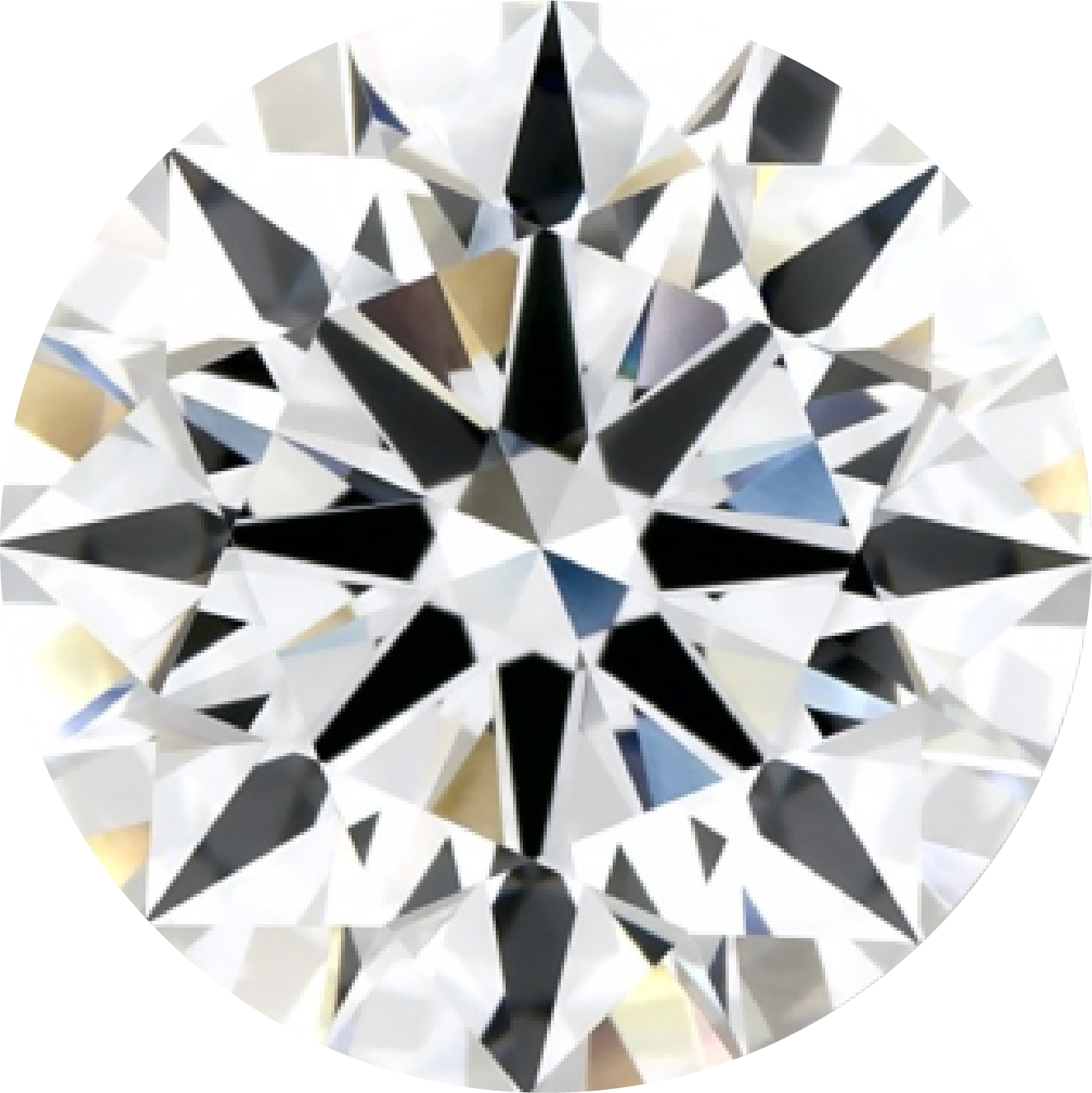
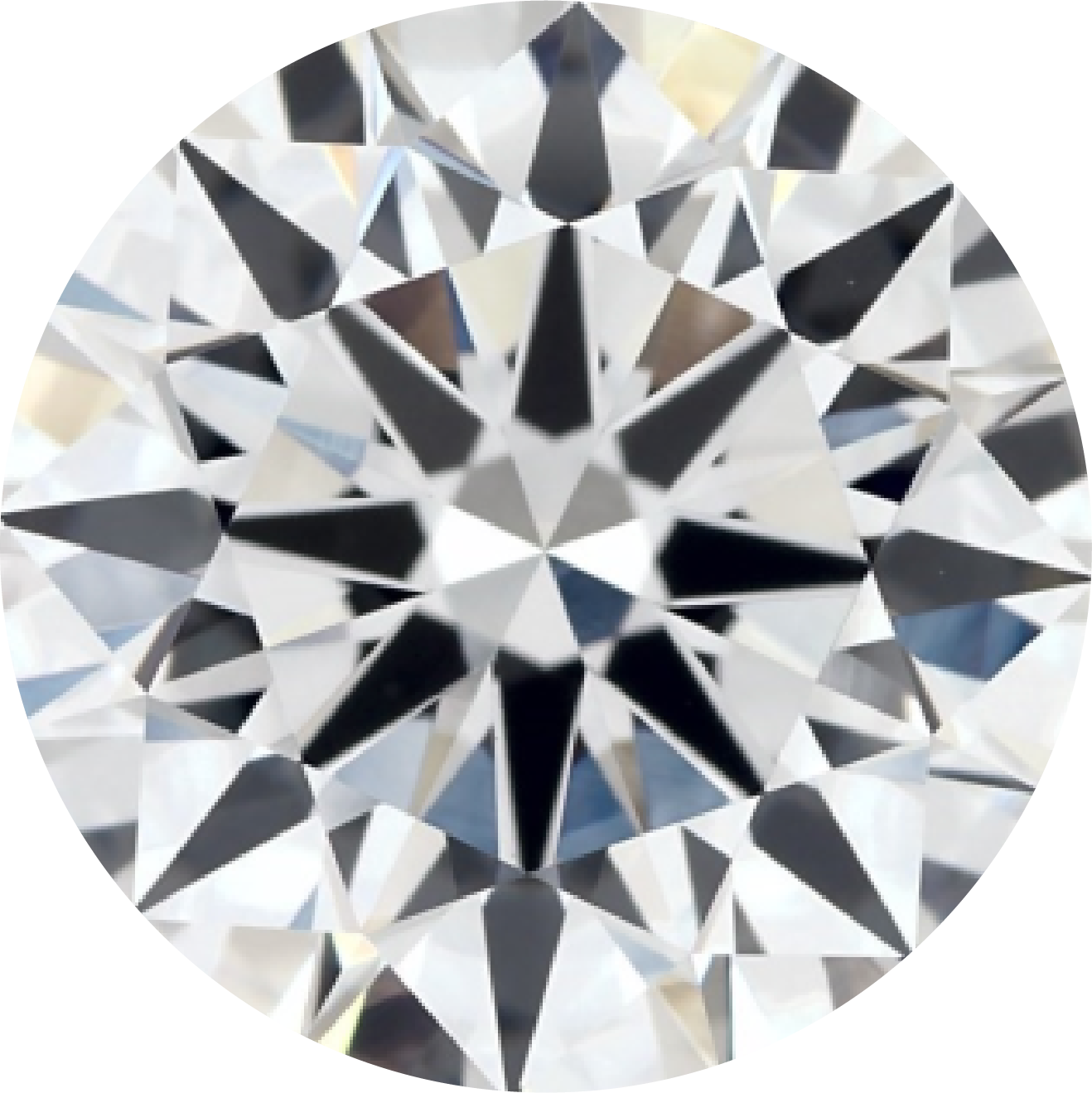
Two identical diamonds: GIA Certified, 1.51ct, D Color, VVS1, Ideal Cut. One is natural ($16,240), the other is lab-grown ($1,970). Choose the diamond you like better and see if you can match it to its origin.
The New Reality: GIA is for Naturals, IGI is for Labs
Let’s cut right to the chase. The single most important thing you need to understand about the diamond market today is that the old, simple rule of “GIA is always best” is no longer the full story.
The industry has changed dramatically, and the world of certification has split into two very distinct specializations. If you want to be a truly savvy buyer, you need to know which expert to trust for which product.
Think of it like seeing a doctor. If you broke your leg, you would go to an orthopedist. If you had a heart issue, you’d go to a cardiologist.
Both are top-tier experts, but you go to the right one for the right problem. The modern diamond market is now exactly the same. There are two kings, and you need to know which kingdom they rule.
The GIA (Gemological Institute of America): The Undisputed King of Natural Diamonds
Let me be crystal clear: for any natural, mined diamond, the GIA is the undisputed, non-negotiable gold standard. Period. Their reputation for unwavering consistency and accuracy is the bedrock of the entire natural diamond industry, from the wholesale market right down to the local retailer.
For decades, they have been the final word on a natural diamond’s quality, and that has not changed one bit. A GIA certificate for a natural stone is a bond of trust, and you should accept nothing less.
The IGI (International Gemological Institute): The New Global Standard for Lab-Grown Diamonds
This is where the new rulebook comes in. Over the last several years, and especially recently, the IGI has become the new global leader and undisputed gold standard for lab-grown diamond certification.
Why the change? It’s simple. The market needs detailed, specific, and reliable information. For years, IGI has been the leader in providing exactly that for the lab-grown market.
This position was solidified by GIA’s recent, controversial decision to stop providing its traditional, detailed grading reports for lab-grown diamonds. This move by GIA created an information vacuum, effectively ceding the lab-grown market to the institution that was already best equipped to handle it: IGI.
We cover this seismic shift in our complete guide, GIA’s New Lab Diamond Report: A Downgrade or a Deception?.
The bottom line for you is this: When you are buying a lab-grown diamond, an IGI report now holds the same weight and authority that a GIA report does for a natural stone.
Putting the IGI’s Natural Diamond Reports to the Test
We’ve established the new rule: GIA is for natural, IGI is for labs. But why? Why have I, and countless other gemologists, come to this conclusion? It’s not a matter of opinion or brand loyalty; it’s based on years of industry experience and, most importantly, on verifiable data that shows a consistent pattern of grade inflation for IGI’s natural diamond reports.
To show you exactly what I mean, we’re going to look at two powerful pieces of evidence: an independent blind test and the unfiltered truth of the wholesale market’s own pricing data.
The Blind Test: An Independent 5-Diamond Experiment
The most powerful way to test a lab’s consistency is a blind test. A study was conducted where five IGI-certified natural diamonds were purchased and then submitted to GIA for a new, independent grading report, without GIA knowing they had been previously graded. The results were predictable, but no less shocking.

Here is the raw data from that experiment:
| Diamond | IGI Certificate Grade | GIA Certificate Grade | Grade Difference |
| Diamond 1 (1.04 ct) | K, SI2 | K, I1 | Two Grades Lower (Clarity) |
| Diamond 2 (1.02 ct) | I, SI2 | J, I1 | Three Grades Lower (1 Color, 2 Clarity) |
| Diamond 3 (1.15 ct) | K, SI2 | L, SI2 | One Grade Lower (Color) |
| Diamond 4 (1.02 ct) | I, SI2 | J, I1 | Three Grades Lower (1 Color, 2 Clarity) |
| Diamond 5 (1.00 ct) | J, SI2 | K, I1 | Three Grades Lower (1 Color, 2 Clarity) |
N.B. Click the link to see the report
My Mehedi Analysis:
Look at those results. This is the part that every buyer needs to see. This isn’t just a one-off discrepancy; it is a clear and consistent pattern. Four out of the five diamonds received grades that were two to three grades lower from GIA. A diamond that IGI called an “I, SI2” was seen by GIA’s stricter standards as a “J, I1.”
Let’s be clear about what that means for your wallet. That’s the difference between a potentially “eye-clean” diamond and a diamond with flaws that are often visible to the naked eye. It’s a massive difference in quality and, therefore, in real-world value.
This is the core issue with all but the most elite labs; the landscape is filled with certifiers like HRD, but only GIA and AGS have historically maintained this level of unwavering consistency for natural diamonds.
James Allen: Our 5-Star Choice for Price and Selection
Check our comprehensive James Allen Review to learn more about their pricing and commitment.
The Market’s Verdict: Following the Money on Rapnet
If the independent test is the scientific proof, then the wholesale market’s own pricing data is the final, irrefutable word. Let me introduce you to Rapnet—it’s the global stock market for diamonds, where professionals buy and sell millions of stones every day. The prices on Rapnet are the purest reflection of a diamond’s true market value.
When you analyze the average selling prices for GIA-certified versus IGI-certified natural diamonds with the exact same on-paper grades, a stunning truth is revealed.
Across the board, on average, the wholesale market pays nearly 19% more for a GIA-certified natural diamond than for an IGI diamond with the identical stats.
My Mehedi Analysis:
This is the knockout punch. The professional diamond market is not sentimental; it is ruthlessly efficient. There is only one logical reason why the market would willingly and consistently pay a nearly 20% premium for a GIA stone: the market knows the GIA grades are more reliable.
If an IGI G-VS2 were truly the same as a GIA G-VS2, their prices would be identical. The fact that they are not tells you everything you need to know. That 19% price gap is the market’s “confidence premium,” and it’s their way of pricing in the risk of IGI’s historical leniency on natural diamonds.
GIA has built this reputation over decades, a level of trust so high they are even the benchmark for lab reports, a topic we explore in our guide on GIA Certified Synthetic Diamonds.
The professionals have already done the math and adjusted the price to reflect the risk, and as a savvy buyer, you should too. This is why you must insist on a GIA report for any natural diamond.
Read Our 5-Star Blue Nile Review
Check our comprehensive Blue Nile review to learn why we rated Blue Nile 5 stars for their exceptional quality and value.
GIA’s Fumble and IGI’s Rise in the Lab-Grown Space
So, we’ve firmly established GIA’s long-held dominance in the natural diamond world. But the story is the complete opposite in the newer, faster-growing market for lab-grown diamonds.
Here, IGI is the undisputed king, and a large part of the reason for that is a recent, and in my opinion, catastrophic, fumble by GIA.
In a shocking move, GIA announced that as of October 2025, they would stop issuing their traditional, detailed grading reports for lab-grown diamonds.
Instead of providing the specific 4Cs grades that the market relies on, they moved to a new, simplified system that uses vague, unhelpful terms like “Premium” and “Standard.”
This decision created an immediate and massive information vacuum. A buyer could now have two “Standard” GIA-assessed lab diamonds—one a spectacular E-VVS1 and the other a mediocre J-VS2—and the reports would look exactly the same. They effectively removed the very tools that savvy buyers use to find value and make informed decisions.
In that vacuum, IGI’s consistent and reliable approach became more valuable than ever. While GIA was removing information, IGI continued to provide the detailed, specific 4Cs grading for lab-grown diamonds that both consumers and insurance companies desperately need.
They provide a full, transparent report that looks and functions just like a classic GIA report, giving buyers the data they need to compare apples to apples.
DIAMOND ON SALE!!
⏰ Tick-Tock! The Best Diamond Deals at James Allen Are Disappearing Fast!
Why You Can Trust an IGI Report for a Lab-Grown Diamond
So why should you feel just as confident buying an IGI-certified lab diamond as you would a GIA-certified natural diamond? There are two key reasons: their history and the verdict of the modern market.
First, IGI embraced lab-grown diamonds early. They were one of the first major labs to invest heavily in the research and technology needed to properly grade lab-grown stones. They saw the potential of the market and developed the most robust, respected, and comprehensive process for certifying them.
They didn’t treat lab diamonds as a secondary product; they treated them as the serious gemstones they are, and in doing so, they built a decade-long reputation as the foremost experts in this specific field.
Second, and perhaps most powerfully, is the vote of confidence from the market’s biggest players. This is the ultimate proof. Go to the websites of the top online diamond retailers in the world, the companies that sell more engagement rings than anyone:
- Go to James Allen, search for a 2-carat lab-grown diamond, and look at the certificates. You will see thousands of stones, and the vast majority—likely over 95%—will be certified by IGI. For a real-world example, look at this stunning 2.04 Carat, F-Color, VS1 Lab-Grown Diamond from James Allen. The certificate is IGI.
- Go to Blue Nile, and do the exact same search. Again, the overwhelming majority of their massive lab-grown inventory is certified by IGI. This beautiful 2.21 Carat, G-Color, VVS2 Lab-Grown Diamond from Blue Nile is a perfect case in point, backed by a detailed IGI report.
This is not a coincidence. These multi-billion dollar companies have built their reputations on trust and transparency.
They choose to stock their lab-grown inventories with IGI diamonds because they know the IGI report is reliable, consistent, and provides the detailed information their savvy customers demand. They have effectively voted with their wallets and their inventory.
ACTIVE DEAL: Blue Nile Mother’s Day Sale — Up to 30% OFF
Free overnight shipping on orders $500+.
Free 30-day returns. Lifetime warranty.
Also: New email subscribers get $50 off their first order of $500+.
Looking for more? Check out the Clear The Vault event.
*Exclusions may apply. See Blue Nile for complete details.
We explore the vendors at the forefront of this new market in our comprehensive guide to the best places to buy engagement rings online. For you, the buyer, this is the ultimate green light.
The Ultimate Certificate Showdown
Alright, we’ve gone through all the hard data, the market analysis, and the industry history. So, let’s distill all of this down to the one thing that truly matters: the final verdict. What is the simple, actionable rulebook you can take with you on your search?
I’ve created this simple, powerful table to summarize the entire modern diamond market for you. This is the new reality, and understanding it is your key to buying with absolute confidence.
| Feature | GIA Certificate | IGI Certificate |
| Best For | The undisputed authority for NATURAL diamonds. | The new global standard for LAB-GROWN diamonds. |
| Grading Style | The strictest, most consistent grading in the world. | Detailed, reliable, and transparent 4Cs grading. |
| Cost & Value | Higher certification cost results in a higher diamond price. | More efficient process results in excellent value for money. |
The Mehedi Breakdown
This table is the simplest and most powerful tool I can give you.
When you’re shopping for a natural, mined diamond, you should consider a GIA certificate to be a non-negotiable part of your purchase. Their century-long reputation for strictness and consistency is your ultimate protection and guarantee of value.
The higher price associated with a GIA-certified natural diamond is the market’s way of saying, “This one is a sure thing.”
When you’re shopping for a lab-grown diamond, an IGI certificate should be your new non-negotiable. They are now the global leader in this space, providing the detailed, transparent, and specific 4Cs data that you absolutely must have to make an informed decision.
While GIA is stepping back from this market, IGI has stepped up to become the trusted authority.
The question is no longer “Which lab is better overall?” The modern, expert question is, “Which lab is the best for the specific diamond I am buying?” Now, you have the answer.
Your GIA & IGI Diamond Certification Questions, Answered
You’ve got the big picture, but the world of diamond certification is full of nuanced, important questions. I’m going to tackle them all here, giving you the direct, honest answers you need to be the most confident buyer in the room.
What is the IGI certificate?
An IGI certificate is a detailed and respected “ID card” for a diamond, issued by the International Gemological Institute. It is a comprehensive document that maps out all of a diamond’s key characteristics—its 4Cs (Cut, Color, Clarity, Carat Weight), specific measurements, proportions, and a plot map showing the location of its inclusions.
Founded in 1975, IGI is a global institution with labs all over the world. Crucially, in the modern market, it has become the undisputed global standard and most trusted authority for grading lab-grown diamonds, providing the specific, detailed reports that both buyers and insurance companies rely on.
The rise of IGI for lab-grown stones is a direct result of recent industry shifts, a topic we explore in our guide on GIA’s New Lab Diamond Report.
How much does IGI certification cost?
As a consumer, you do not pay for the certification directly. The cost of IGI certification is a business-to-business expense paid by the diamond manufacturer or wholesaler before the diamond is listed for sale.
In general, IGI’s services are known to be more affordable and efficient than GIA’s, which is one of the key reasons they became the go-to lab for the high-volume, high-value lab-grown diamond market.
This efficiency helps keep the final price of a lab-grown diamond competitive, allowing you to get an incredible stone with a reliable certificate without the added cost of a more expensive lab’s overhead built into the price.
Is a lab-grown diamond a real diamond?
Yes, 100%. A lab-grown diamond is a real diamond in every single way. It has the exact same chemical composition (it’s pure carbon), the same physical properties (it’s a 10 on the Mohs hardness scale), and the same optical properties (it sparkles like a diamond because it is a diamond).
The only difference is its origin. Think of it like this: a natural diamond is like ice from a glacier, and a lab-grown diamond is like ice from a high-tech freezer.
They are both frozen water, just created in different environments. We explore this topic in-depth in our guide on GIA Certified Synthetic Diamonds.
Why are IGI diamonds cheaper?
This is a critical distinction that must be broken down into two parts:
For Natural Diamonds: An IGI-certified natural diamond is cheaper than a GIA-certified natural diamond of the same grade because the wholesale market prices in a discount due to IGI’s historical reputation for being more lenient and less consistent than GIA in its natural diamond grading.
For Lab-Grown Diamonds: An IGI-certified lab-grown diamond is cheaper than a natural diamond because lab-grown diamonds themselves are a more affordable and efficiently produced product. In this case, the IGI certificate is not a sign of lower quality; it is the industry standard for a product that represents incredible value. This is a similar dynamic we see with other non-GIA reports, which we explore in our HRD Diamond Certification guide.
Do IGI diamonds hold their value?
This depends entirely on the type of diamond. An IGI-certified natural diamond, like all natural diamonds, will retain a portion of its original value and can be resold. However, its value will be judged against the stricter GIA scale, so its resale value may be lower than a GIA diamond with the same grades.
An IGI-certified lab-grown diamond, like all lab diamonds, should not be considered a financial investment and will have little to no resale value. Its value is “cashed in” on the day of purchase, where you save 50-70% compared to a natural diamond.
Does IGI grade natural diamonds?
Yes, IGI has been grading natural diamonds for decades and has a very strong presence in international markets, particularly in Europe and Asia. Major US jewelry chains have also historically used IGI reports for their natural diamond jewelry.
However, within the connoisseur and online markets, GIA has firmly established itself as the more trusted and consistent authority for natural diamonds, which is why we recommend a GIA report for any mined stone.
Is IGI as good as GIA on Reddit?
The expert and savvy-buyer consensus on forums like Reddit almost perfectly matches our own professional recommendation. The overwhelming sentiment is that for natural diamonds, you should absolutely hold out for a GIA report as it’s the stricter and more reliable standard.
However, for lab-grown diamonds, the community overwhelmingly agrees that IGI is the go-to, trusted, and most reliable certification, often sharing their beautiful IGI-certified lab diamond rings with pride.
We do a deep-dive on the vendors at the center of this conversation in our Blue Nile vs. James Allen review.
What is the price of an IGI diamond today?
There is no single “price of an IGI diamond,” as the cost is determined by the specific 4Cs of the diamond itself, whether it is natural or lab-grown. For a benchmark, a high-quality 1-carat IGI-certified lab-grown diamond (G color, VS1 clarity) might cost around $1,000 to $1,500.
A 1-carat IGI-certified natural diamond with those same grades would be significantly more, perhaps in the $4,000 to $5,000 range, which is still typically less than its GIA equivalent.
Keep in mind, the entire market is in flux, and it’s a fact that diamond prices are dropping across the board right now.
Can I verify an IGI certificate online?
Yes, absolutely. This is a crucial and very easy step for verifying your purchase. Every IGI report comes with a unique report number. You can go to IGI’s official website, enter that number, and a digital copy of your exact certificate will appear. Many IGI reports for lab-grown diamonds also have a laser inscription of the report number on the diamond’s girdle (its thin edge) for an extra layer of security.
Is it safe to buy a diamond with an IGI certificate?
The answer is a definitive yes, but only if you follow the modern rulebook. It is extremely safe and highly recommended to buy a LAB-GROWN diamond with an IGI certificate; they are the gold standard for that product.
It is less safe to buy a NATURAL diamond with an IGI certificate if you are paying a price close to what a GIA diamond would cost, due to the historical risk of grade inflation. Our advice is simple and protective: GIA for natural, IGI for labs.
Following this rule makes your purchase completely safe. For more peace of mind, it is always a good idea to know the basics of how to tell if a diamond is real.
Which diamond certificate is best?
There are now two “best” certificates, each for a different product.
For a NATURAL, MINED diamond, the GIA certificate is the undisputed best.
For a LAB-GROWN diamond, the IGI certificate is the undisputed best.
Another lab that is considered on par with GIA for natural diamonds is AGS, which is a fantastic choice as well. You can learn more about them in our guide to the AGS Grading System.
Can I verify an IGI certificate online?
Yes, absolutely. This is a crucial and very easy step for verifying your purchase. Every IGI report comes with a unique report number. You can go to IGI’s official website, enter that number, and a digital copy of your exact certificate will appear.
Many IGI reports for lab-grown diamonds also have a laser inscription of the report number on the diamond’s girdle (its thin edge) for an extra layer of security. This is a core part of the buyer protection offered by the best places to buy premium jewelry without breaking the bank.
How accurate is IGI grading?
For lab-grown diamonds, IGI grading is considered very accurate and is the trusted standard for the global market. They have the most experience and robust processes for this specific product.
For natural diamonds, IGI’s grading is accurate in terms of identifying the stone and its characteristics, but their final color and clarity grades have historically been less consistent and more lenient than the strict standards set by GIA.
Are IGI diamonds real or fake?
IGI-certified diamonds are 100% real diamonds. This is a critical point of fact. The IGI is a world-renowned gemological laboratory that only grades genuine diamonds, both natural and lab-grown.
A lab-grown diamond is not a fake; it has the exact same chemical, physical, and optical properties as a diamond mined from the earth.
The “real or fake” question often comes from a misunderstanding of what a lab-grown diamond is. For a complete breakdown of how to ensure any diamond is genuine, our guide on how to tell if a diamond is real is a must-read.
How do I verify if an IGI certificate is real? / Can an IGI certificate be faked?
A legitimate IGI certificate is highly secure, but you absolutely must verify it to protect yourself. There are two simple, non-negotiable steps.
First, every official IGI report has a unique certificate number. You must go to the IGI’s official website and enter that number into their online verification tool. A digital copy of the exact report should appear.
Second, most IGI-certified diamonds have that same report number laser-inscribed in microscopic numbers on the diamond’s girdle (its thin edge). When shopping with a top-tier vendor, their high-resolution video technology often allows you to see this inscription for yourself.
Reputable retailers like the one in our James Allen Review have this verification process built into their platforms.
Can IGI be trusted?
Yes, IGI can be trusted, but you must trust it for the right product. As we’ve detailed, the modern diamond market has two distinct leaders. For lab-grown diamonds, IGI is the global standard-bearer and is absolutely the most trusted and reliable certification you can get.
For natural diamonds, while IGI is a legitimate lab, its grading has historically been less consistent than GIA’s, which is why GIA remains the more trusted authority for mined stones. Trusting a lab means knowing its strengths, a core principle we apply in our Blue Nile Reviews 2024.
Do IGI diamonds hold their value?
This depends entirely on the diamond’s origin. An IGI-certified natural diamond will hold a percentage of its value over time, but its resale price will be judged against the stricter GIA scale, which may impact its worth.
An IGI-certified lab-grown diamond, like all lab-grown stones, will have little to no resale value. Lab diamonds are a product of technology, not scarcity, and their value is realized on the day you buy them by saving 50-70% compared to a natural diamond.
For a deeper look at the secondary market, our guide on how much can a diamond be sold for provides crucial insights.
Is IGI worth it? / Is an IGI certificate worth it?
Yes, an IGI certificate is absolutely worth it and, for a lab-grown diamond, I consider it essential. A detailed certificate from a trusted, independent lab like IGI is your only guarantee that the stone you’re buying has the exact quality characteristics the seller is claiming.
It protects you from buying a lower-quality stone, allows for accurate insurance appraisals, and provides the transparency needed for you to make a smart financial decision. The certificate is a core part of what you are buying, a concept that’s central to our Diamond Buying Guide.
Is IGI worse than GIA? / Is GIA the same as IGI?
They are not the same, and the question of which is “better” or “worse” now depends entirely on the product. For natural diamonds, GIA is the stricter, more consistent, and therefore superior choice. \
For lab-grown diamonds, IGI is the superior choice because it provides the detailed, specific grading information that GIA’s new reports for lab stones now omit.
Think of them as two different specialists: GIA is the world’s foremost specialist in natural diamonds, and IGI is the world’s foremost specialist in lab-grown diamonds.
Why are IGI diamonds cheaper?
An IGI-certified natural diamond is typically cheaper than a GIA-certified one because the wholesale market prices in a discount for what it perceives as more lenient grading. An IGI-certified lab-grown diamond is cheaper than a natural diamond simply because lab-grown diamonds are a more affordable product.
The IGI certificate itself is a mark of quality and trust in this category and is not a factor that makes the diamond “cheaper.” In fact, an IGI report adds significant value and confidence to a lab diamond purchase.
Is IGI only for lab-grown diamonds?
No, IGI has a long and established history of grading natural diamonds and is a major certifier for natural diamond jewelry all over the world, particularly in Asia and Europe.
However, due to market dynamics and GIA’s recent changes, IGI’s role has become increasingly specialized, and they are now best known as the primary and most trusted authority for lab-grown diamond certification.
Our guide to the different types of lab-grown diamonds explores why this market needs such a strong specialist.
Is IGI better than GIA?
The question of which is “better” now depends entirely on the product you are buying. For natural diamonds, GIA is better because its grading is stricter and more consistent, which is why it’s the global standard.
For lab-grown diamonds, IGI is better because it provides the detailed, specific 4Cs grading reports that are essential for making an informed purchase, a service GIA no longer offers for lab stones. The modern market has two different leaders for two different products.
Is IGI only for lab-grown diamonds?
No, IGI has a long history of grading natural diamonds and is a major certifier in many international markets. However, due to GIA’s unwavering dominance in the natural diamond space and IGI’s early adoption and expertise in the lab-grown market, a specialization has occurred.
Today, IGI’s primary role and strongest reputation in the North American online market is as the leading authority for lab-grown diamond certification.
Is IGI moissanite?
No, IGI does not grade moissanite. This is a common point of confusion. IGI is a diamond laboratory that grades both natural and lab-grown diamonds.
Moissanite is a completely different gemstone (made of silicon carbide, not carbon) and is typically certified by labs that specialize in it, such as the GRA.
The two should not be confused. For more, our guide to buying moissanite instead of a diamond explains the difference.
Should I buy a diamond without a GIA certificate?
If it’s a natural diamond, my professional advice is no, you should not. A GIA certificate is your only guarantee that you are getting the quality you are paying for. Buying a natural diamond without one is a massive financial risk.
If it’s a lab-grown diamond, you should buy it without a GIA certificate, and instead insist on a detailed IGI certificate, which is the new gold standard for that product.
Do lab-grown diamonds hold their value?
No, lab-grown diamonds should be purchased for their incredible initial value and beauty, not as a financial investment. Because they are a product of technology that is constantly improving and becoming more efficient, they have very little to no resale value on the secondary market. We touch on the realities of the secondary market in our guide to selling diamond rings at a pawn shop.
Do all diamonds have serial numbers?
Today, virtually all diamonds certified by major labs like GIA and IGI are laser-inscribed with a microscopic serial number on their girdle (the thin edge). This number corresponds to the number on the certificate and is your ultimate proof of identity. This number is a critical component for verification and for an official definition of an appraisal for a diamond ring.
Which country is IGI certified in?
IGI is a truly global institution. It was founded in Antwerp, Belgium—the historic heart of the diamond trade—and now has 20 laboratories all over the world, including major hubs in New York, Hong Kong, Mumbai, Tokyo, and Dubai. It is not tied to one country, but is an internationally recognized and respected organization.
What is the main difference between GIA and IGI?
The main difference today is their area of specialization and market leadership. GIA’s primary strength and global authority lie in its strict and consistent grading of natural diamonds. IGI’s primary strength and global authority now lie in its detailed, transpare
The Verdict: Buy the Diamond, Not Just the Report
The question ‘Is IGI as good as GIA?’ is no longer the right one. That question comes from an older, simpler market. The modern diamond market has two distinct leaders for two distinct products. Your job as a savvy buyer is to choose the right expert for the right diamond.
Insist on a GIA report for any natural diamond. Insist on an IGI report for any lab-grown diamond. By following this simple, modern rulebook, you are protecting your investment, guaranteeing you get what you pay for, and buying your diamond with the confidence of a true insider.
Continue Your Research Journey
You’re now an expert on who to trust for your diamond’s report card. This knowledge is your most powerful tool for protecting your investment. If you’re ready to take this confidence and apply it to the exciting next steps of your buying process, these hand-picked guides are the perfect place to start.
The In-Depth Retailer Reviews
- Our #1 Recommended Retailer: The Ultimate James Allen Review – (https://moissanitebyaurelia.com/james-allen-review/)
- The Industry Heavyweight: The Complete Blue Nile Review for 2024 – (https://moissanitebyaurelia.com/blue-nile-reviews-2024/)
- Another Head-to-Head Battle: Brilliant Earth vs. James Allen Compared – (https://moissanitebyaurelia.com/brilliant-earth-vs-james-allen/)
Advanced Diamond Knowledge
- The Foundation: Our No-Nonsense Diamond Grading Chart (The 4 Cs) – (https://moissanitebyaurelia.com/diamond-grading-chart-4-cs-of-diamonds/)
- The Full Story on Synthetics: An Expert Guide to the Types of Lab-Grown Diamonds – (https://moissanitebyaurelia.com/types-of-lab-grown-diamonds/)
- Understanding Value After the Purchase: The Definition of an Appraisal for a Diamond Ring – (https://moissanitebyaurelia.com/definition-of-appraisal-for-diamond-ring/)
Practical Guides & Strategies
- The Ultimate Starting Point: Our No-Nonsense Diamond Buying Guide – (https://moissanitebyaurelia.com/diamond-buying-guide/)
- Putting it into Action: A Step-by-Step Guide to Build Your Own Engagement Ring on James Allen – (https://moissanitebyaurelia.com/build-your-own-engagement-ring-on-james-allen/)
- A Deep-Dive on Clarity: What is the Best Diamond Clarity for Value? – (https://moissanitebyaurelia.com/what-is-the-best-diamond-clarity/)
James Allen is a top leader in online diamond sales, offering cutting-edge imaging technology that lets you inspect diamonds as if you were using a jeweler's loupe. With the largest exclusive selection of loose diamonds available online and excellent pricing, they also boast one of the finest collections of lab-created diamonds on the market. They currently run a 25% discount on selected lab-grown diamonds!
WHAT WE LOVE ABOUT THEM:
- 30-day no-questions-asked return policy, with a prepaid shipping label provided by James Allen.
- Lifetime warranty on all purchases.
- Free international shipping.
- Complimentary prong tightening, repolishing, rhodium plating, and cleaning every six months.
- Insurance appraisals included with purchases.
- One free resizing within 60 days of purchase.
- Free ring inscriptions available.
- Best-in-class high-quality imagery for every diamond in stock.
- 24/7 customer support.
- Premium, best-in-class packaging.


Blue Nile is one of the biggest and most recognized online jewelry retailers, offering an extensive and exclusive inventory. Their high-resolution images are improving and getting closer to the quality offered by James Allen, while their prices remain highly competitive. Right now, Blue Nile offers up to 30% savings on jewelry during a limited-time sale.
WHAT WE LOVE ABOUT THEM:
- 30-day no-questions-asked return policy, with a prepaid shipping label provided by Blue Nile.
- Lifetime warranty on all purchases.
- Free shipping on every order.
- Complimentary services every six months, including prong tightening, repolishing, rhodium plating, and cleaning.
- Insurance appraisal included with your purchase.
- One free resizing within the first year.
- High-quality images available for roughly half of their diamond selection.
- 24/7 customer service support.
- Full credit toward future upgrades, as long as the new item is at least double the value.
- Best-in-class order fulfillment process.