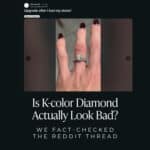

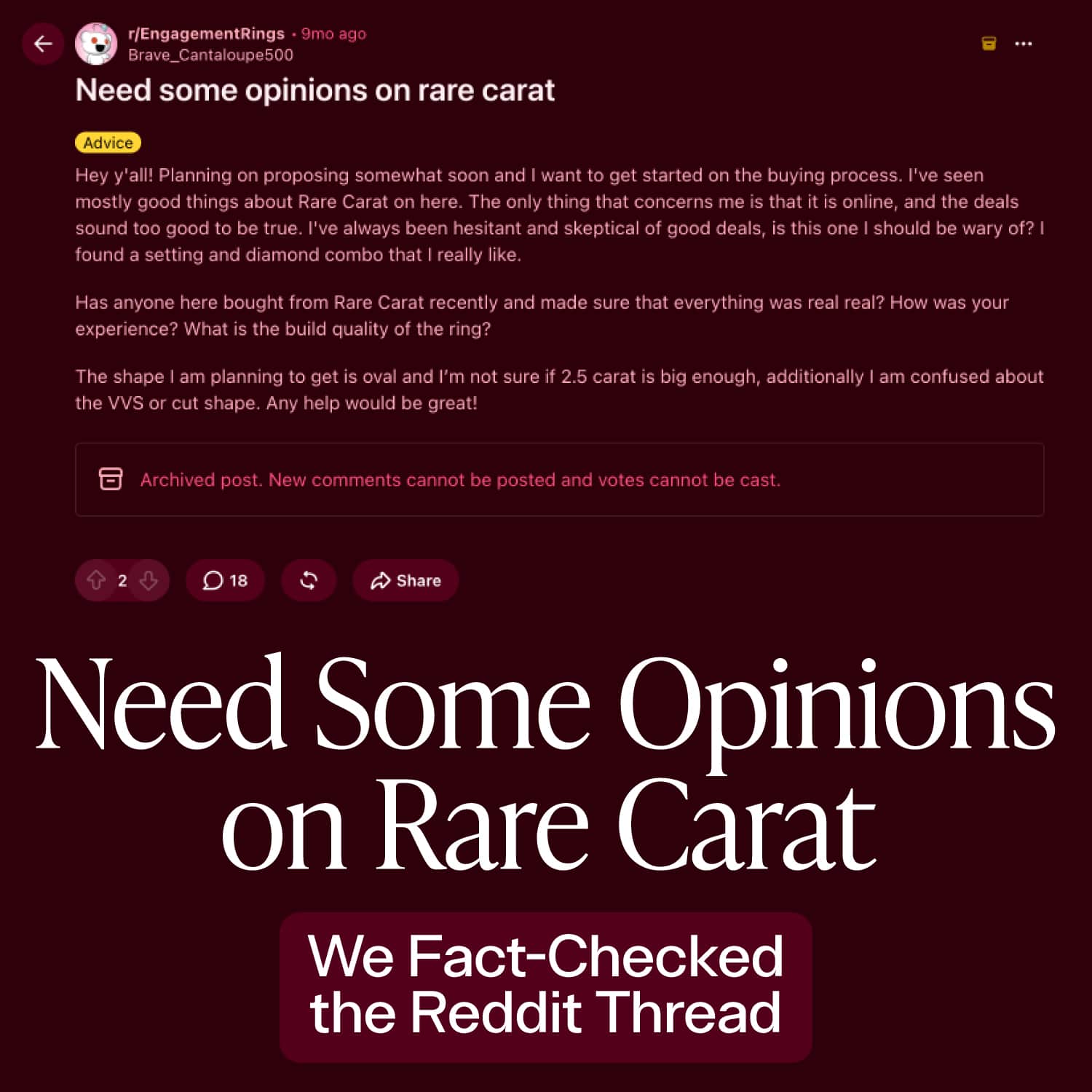
“Need some opinions on rare carat” is the Reddit thread we’re fact-checking — it turns out to be mostly right, with the price-match story matching Rare Carat’s actual policy, the resizing claim checking out, and the cut-over-clarity advice for ovals holding up. The one open question nobody answered, we can now answer directly.
TL;DR
The single most useful fact: the price-match negotiation described in this thread isn’t an anomaly — it matches Rare Carat’s real, published Diamond Price Match Policy almost line for line, including the exact restriction that caused the initial pushback.
- The price-match story — Confirmed accurate against Rare Carat’s actual policy, which requires identical specs and a matching grading report number, and initially excludes bundled items like the setting.
- “They do complimentary resizing” — True. One free resizing within a year is a real, published Rare Carat policy.
- Prioritize cut over clarity for ovals — Accurate, and for a specific reason most buyers don’t know: fancy shapes like ovals don’t get an official GIA cut grade at all.
- Calavera — A real wholesale diamond retailer, not a shady unknown.
- The unanswered question in the thread — Whether the Calavera diamond had to match exactly to qualify for the price match. It did; Rare Carat’s policy requires an identical grading report number.
- The shipping timeline — One buyer’s order missed its promised ship window by the time she posted, a real data point worth knowing going in.
Diamond IQ Test: Natural or Lab-Grown?
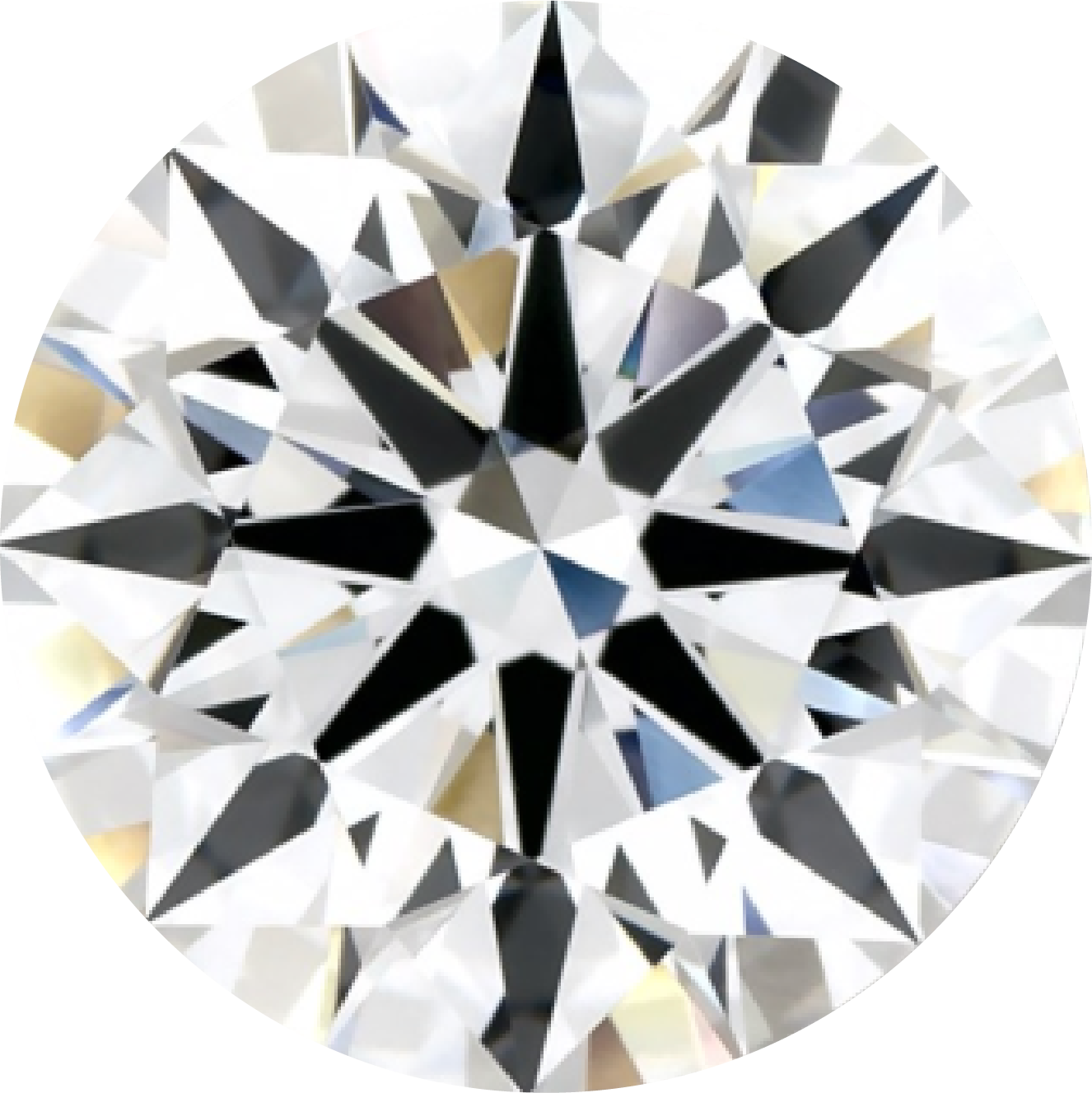
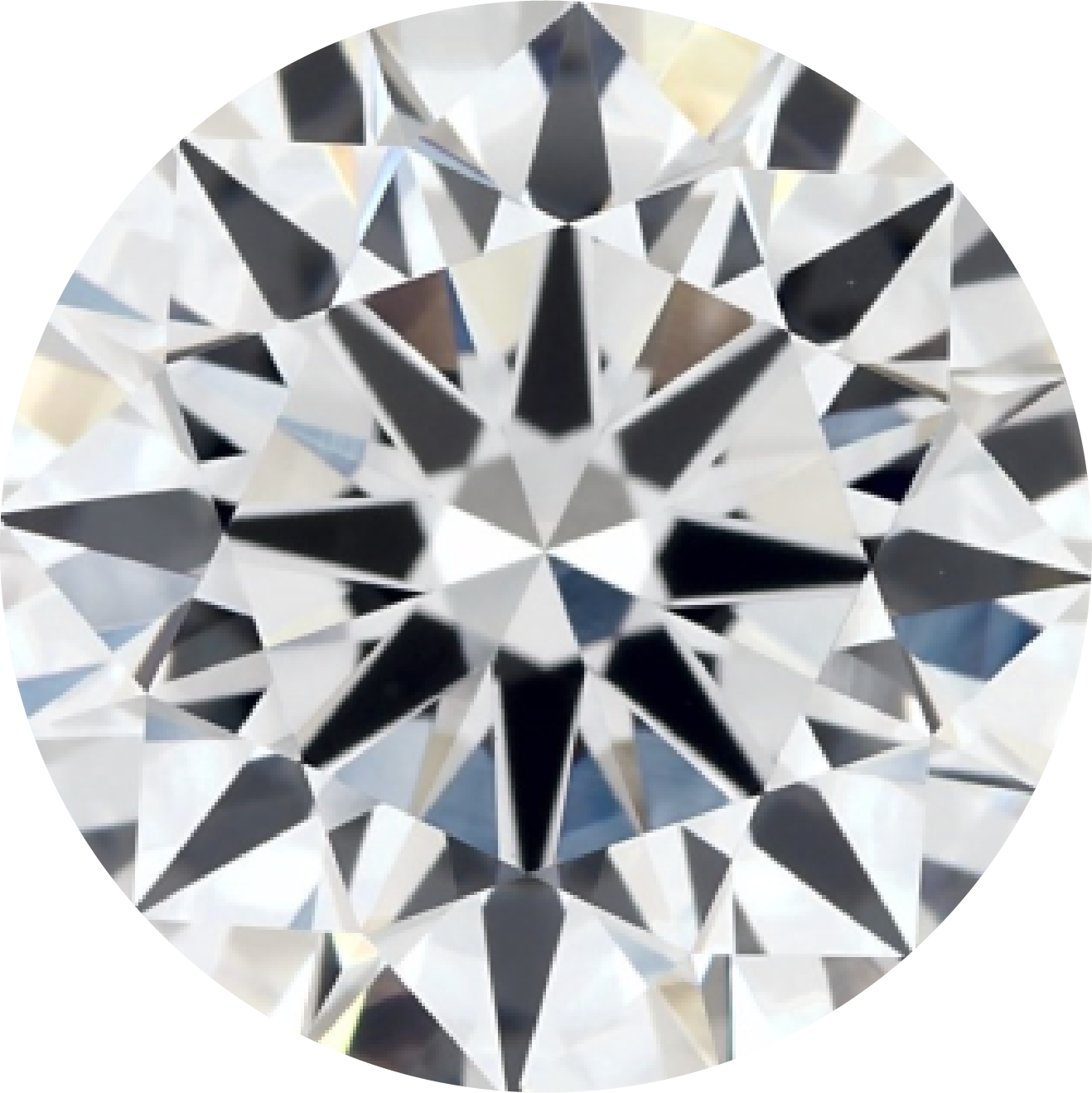
Two identical diamonds: GIA Certified, 1.51ct, D Color, VVS1, Ideal Cut. One is natural ($16,240), the other is lab-grown ($1,970). Choose the diamond you like better and see if you can match it to its origin.
About This Thread
Source: r/EngagementRings — “Need some opinions on rare carat” — posted by the original poster 9 months before this audit. They’d found a setting-and-diamond combo they liked but were nervous the pricing looked too good to be true, and wanted a reality check plus advice on carat size, clarity, and cut for an oval stone. If you want the fuller picture beyond this one thread, our standalone Rare Carat reviews deep dive covers the company’s reputation, policies, and how it compares to other retailers.
Mehedi’s Take: “Every ‘too good to be true’ thread about an online diamond retailer deserves the same treatment: pull the actual policy page and see if the buyer’s story matches it. Here, it does — almost suspiciously well, in a good way.” — Mehedi Hasan, Diamond Industry Veteran
Claim 1: The Price-Match Story
“They couldn’t give me the offered discount on the setting and band.” — a commenter describing her own order, before the rep consulted a manager and agreed to extend the discount to the setting too
Verdict: Accurate, and it maps closely to Rare Carat’s real, published Diamond Price Match Policy. That policy requires the competing diamond to have identical specs — cut, color, clarity, carat weight, fluorescence — and the same grading report number as the diamond you’re buying, verified against a public price with proof of availability. It also explicitly limits price matching to the diamond itself: “only one promotion or discount can be applied per order” under Rare Carat’s general policies, which is consistent with the rep’s initial refusal to extend the same discount to the setting.
Why it matters: The rep wasn’t making up a restriction to avoid honoring the deal — the written policy really does treat the diamond discount and everything else as separate. That the rep then got manager approval to bundle the discount anyway suggests some real flexibility beyond the strict written terms, which is worth knowing if you’re negotiating a similar price match yourself.
| Rare Carat’s Price Match Policy | What It Requires |
|---|---|
| Timing | Must be requested before purchase — no retroactive matches |
| Specs match | Identical cut, color, clarity, carat, fluorescence, and the same grading report number |
| Competitor’s price | Must be public, with no login, membership, or special discount required |
| Proof required | Copy of the grading report, a valid link, and proof of stock availability |
| Per-customer limit | One diamond per customer, once — a lower price found later doesn’t reopen it |
| What’s excluded | Specially-sourced diamonds, clearance prices, non-USD prices, pricing errors, auctions or pawn shops |
Fluorescence is one of the specs listed above that rarely gets explained. It’s how a diamond reacts under ultraviolet light — most diamonds show none, but some glow faintly blue, and in rare cases it can make a lower-color stone appear whiter or a high-color stone appear slightly hazy.
| Fluorescence Level | What It Means |
|---|---|
| None | No visible reaction under UV light — the most common grade |
| Faint / Medium | A slight blue glow under UV, generally not visible in normal lighting |
| Strong / Very Strong | A more noticeable glow that can occasionally affect the stone’s appearance in daylight |
Why it matters here: Two diamonds with identical cut, color, clarity, and carat weight can still be considered different stones for price-matching purposes if their fluorescence doesn’t match — which is part of why Rare Carat’s policy requires the exact grading report number, not just similar specs.
Claim 2: “They Do Complimentary Resizing”
“Yes, they do complimentary resizing. They mailed a ring sizer thing with it too.” — a different commenter, answering a question about fit
Verdict: True. Rare Carat’s published policy includes one complimentary resizing within the first year of an order, with eternity bands excluded from resizing after the first 30 days. Extended coverage beyond that is available through a paid care plan.
Why it matters: One detail worth flagging that this thread doesn’t mention: items sent in for resizing aren’t eligible for return under Rare Carat’s policy, so it’s worth being confident in your decision before you send a piece back for a size adjustment.
Claim 3: “Prioritize Cut Quality Over VVS Clarity” for Ovals
“Definitely prioritize cut quality over VVS clarity since you won’t see the difference.” — the first reply in the thread, responding to the original poster’s carat and clarity questions
Verdict: Accurate, for a reason most buyers don’t know. Round diamonds get an official GIA cut grade (Excellent, Very Good, Good, Fair, Poor) based on a well-established proportions model.
Fancy shapes — oval, cushion, pear, marquise, and others — do not get an official GIA cut grade at all, because the interaction of proportions is more complex and less standardized across those shapes. Any “Excellent cut” or “Ideal cut” label you see on an oval diamond is the retailer’s own proprietary analysis, not a GIA grade.
| Clarity Grade | Meaning | Visible to the Naked Eye? |
|---|---|---|
| FL / IF | Flawless / Internally Flawless | No |
| VVS1 / VVS2 | Very, Very Slightly Included | Essentially never |
| VS1 / VS2 | Very Slightly Included | Rarely, and only under magnification |
| SI1 / SI2 | Slightly Included | Sometimes, especially in larger stones |
| I1–I3 | Included | Often visible without magnification |
Why it matters: This is exactly why the advice in this thread holds up — the clarity jump from VS to VVS is nearly always invisible without a loupe, while a poorly-cut oval can show visible windowing (a washed-out, glassy patch) or a bowtie effect (a dark shadow across the center) that’s obvious at arm’s length.
Our own diamond buying guide covers the 4Cs trade-off in more depth if you’re still deciding where to spend your budget.
How Big Is a 2.5-Carat Oval, Really?
The original poster asked whether 2.5 carats would be “big enough” — a question that depends almost entirely on the diamond’s length-to-width ratio, not just its weight.
| Carat Weight | Typical Oval Dimensions |
|---|---|
| 1.0 ct | ~7.7mm x 5.7mm |
| 1.5 ct | ~8.8mm x 6.6mm |
| 2.0 ct | ~9.6mm x 7.2mm |
| 2.5 ct | ~10.5mm x 7.8mm |
| 3.0 ct | ~11.2mm x 8.4mm |
What This Means: At 2.5 carats, an oval typically reads around 10.5mm long — noticeably larger than the 1.5-carat stone the original poster actually ended up ordering. Worth noting: these are typical ranges for a well-proportioned cut; a shallower or more elongated oval of the same carat weight can look larger or smaller than these numbers suggest.
Deal Alert: Mother’s Day Sale Up To 30% Off* select fine jewelry at Blue Nile.
New Collection: Shop the James Allen Collection at Blue Nile.
Vault Sale: “Clear The Vault” – Get up to 70% OFF at Blue Nile!
Flash Sale: Save up to 40% OFF sitewide at Rare Carat.
Exclusive: Get up to 60% OFF select fine jewelry at Ritani.
The Custom Build: What Actually Happened
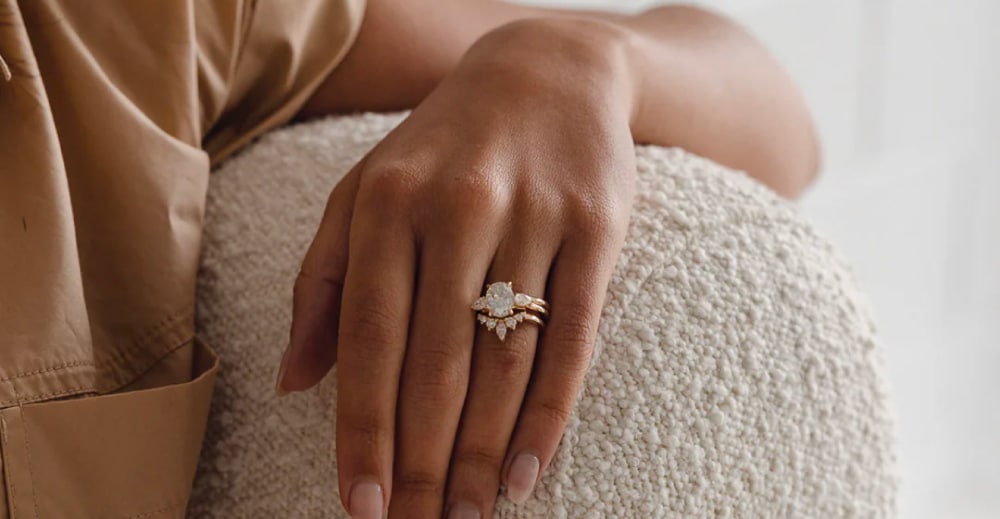
One commenter, whose ring photos accompanied this thread, described a different buying path than the standard catalog approach: working with Rare Carat’s custom team instead of a stock setting.
“Make sure you get your diamond price matched to save thousands.” — the same commenter, on the value of applying the price-match policy above
She said she used the Noemie setting as a base, then had Rare Carat’s custom team apply her own modifications on top of it — a naming style consistent with Rare Carat’s other settings, like the Emmie and Eleanor styles, though we couldn’t independently verify “Noemie” as a current listing by that exact name.
Asked what she’d change in hindsight, she said the bridge — the metal arch beneath a cathedral-style center stone — wasn’t quite tall enough to sit flush against some wedding bands.
| Cathedral vs. Other Common Settings | What It Looks Like | Best Paired With |
|---|---|---|
| Cathedral | Arched metal “shoulders” raise the center stone, resembling a cathedral archway | Bands that need to sit flush against a raised profile |
| Solitaire | A single stone, low-profile prongs, no raised arch | Simple stacking with most band styles |
| Halo | A ring of smaller diamonds surrounding the center stone | Buyers wanting more visible sparkle at a lower carat weight |
| Three-stone | A center stone flanked by two side stones | Symbolic designs (past, present, future) |
What This Means: The bridge-height issue she flagged is a real, specific tradeoff of cathedral settings generally, not a defect unique to her order — it’s worth asking about explicitly if you’re planning to stack a wedding band flush against a cathedral engagement ring.
Mehedi’s Take: “Custom-team feedback like the bridge-height note here is worth more than most catalog reviews, because it’s the one piece of advice in this whole thread nobody could have gotten from a product page.” — Mehedi Hasan, Diamond Industry Veteran
The Question Nobody in the Thread Answered
One reader asked the price-match commenter directly whether she’d needed to find the exact same specs on Calavera to get the match — and never got a reply in the thread.
We can answer it now. Yes. Rare Carat’s Diamond Price Match Policy explicitly requires the competing diamond to match on cut, color, clarity, carat weight, and fluorescence, and to carry the same grading report number as the diamond being purchased. A similar diamond isn’t enough — it has to be verifiably the same stone, listed elsewhere.
We also confirmed what “Calavera” is, since the thread never explains it: Calavera New York is a real wholesale diamond retailer selling both natural and lab-grown stones directly from source, without running sales or discounts — which fits the pattern of a buyer using it as a fixed, verifiable price benchmark for a match request.
Black Friday Sale – Live Now
Rare Carat’s Biggest Deal of the Year is ON.
Shop Diamonds & Jewelry Up to 40% OFF.
*Exclusions may apply. See Rare Carat policies for details.
The Shipping Timeline
One buyer’s account gives a real, specific data point on turnaround time, worth reading as one data point rather than a guaranteed timeline.
| Date | Status |
|---|---|
| November 28 | Order placed |
| Promised ship window | December 11–15 |
| Date of her comment (within the promised window) | Still showing “Diamond received in workshop” |
What This Means: This is a single account, not a pattern we can confirm across many orders — but it’s a real example of a promised ship date slipping, which is worth planning around if your timeline is tight (like the original poster’s Christmas-week proposal).
What Actual Buyers Said
Setting the questions and unanswered threads aside, every direct buyer account in this thread was positive.
| Commenter | What They Bought | Sentiment |
|---|---|---|
| First reply (cut-quality advice) | A ring, appraised locally after purchase | Positive |
| Price-match commenter | An upgraded wedding ring set after 28 years of marriage | Positive, pending delivery |
| Custom-build commenter | A fully custom ring via Rare Carat’s design team | Positive |
| Original poster | An oval 1.5-carat ring, ordered mid-thread | Positive at time of posting |
Verdict: Four for four positive among people describing an actual order — unusually clean for a thread that opened with real skepticism about whether the pricing was legitimate.
How This Thread Compares to Rare Carat’s Broader Reputation
A single thread’s sentiment is only useful in context, so here’s how it lines up against Rare Carat’s wider review record.
| Metric | This Thread | Rare Carat’s Broader Record |
|---|---|---|
| Buyer sentiment | 4 of 4 positive | 5.0 out of 5 on Trustpilot |
| Review volume | 4 direct accounts | 3,600+ Trustpilot reviews |
| Recognition | N/A | Trustpilot’s #1-rated US jewelry brand, multiple years running |
What This Means: This thread isn’t an outlier propped up by a small, cherry-picked sample — it’s directionally consistent with Rare Carat’s much larger, independently tracked review base. That’s a meaningfully different situation from threads where a handful of enthusiastic comments contradict a brand’s wider reputation.
Final Verdict
| Claim | Verdict |
|---|---|
| The price-match negotiation described | Accurate — matches Rare Carat’s published policy closely |
| “They do complimentary resizing” | True |
| Prioritize cut over clarity for ovals | Accurate, and fancy shapes don’t get an official GIA cut grade at all |
| Calavera is a legitimate diamond source | True — a real wholesale diamond retailer |
| Whether the Calavera diamond had to match exactly | Yes, confirmed by Rare Carat’s actual policy terms |
| Overall thread sentiment | 4 for 4 positive among real buyers |
Verdict: This is one of the cleaner threads we’ve audited — every checkable claim held up, the one unanswered question has a real answer, and the buyers describing actual purchases were uniformly positive. The original poster’s instinct to be skeptical of “too good to be true” pricing was reasonable; the specifics just happened to check out. If you want to see the settings and diamonds for yourself, you can browse Rare Carat’s current inventory directly.
Mehedi’s Take: “What I like about this thread is that the skepticism was healthy, not paranoid — the original poster asked for proof, not just reassurance, and got it. That’s exactly the right way to vet an online retailer before spending five figures.” — Mehedi Hasan, Diamond Industry Veteran
Frequently Asked Questions
Is Rare Carat legit, or is the pricing too good to be true?
Based on this thread and Rare Carat’s own published policies, the pricing claims check out — the price-match story matches the company’s actual terms, and every buyer describing a real purchase reported a positive outcome.
Does Rare Carat really price match?
Yes, through a published Diamond Price Match Policy that requires the competing diamond to have identical specs and the same grading report number as the one you’re buying, verified against a public, in-stock price.
Does a Rare Carat price match apply to the setting too?
Not automatically — price matching is specifically for the diamond, and the written policy allows only one promotion or discount per order. In this thread, a buyer successfully negotiated an exception after a manager review, but that isn’t guaranteed.
Does Rare Carat offer free ring resizing?
Yes, one complimentary resizing within the first year of your order, with eternity bands excluded from resizing after the first 30 days.
Can I return a Rare Carat ring after having it resized?
No — items sent in for resizing become ineligible for return under Rare Carat’s policy, so it’s worth being sure about the piece before requesting a resize.
Should I prioritize cut or clarity for an oval diamond?
Cut, generally. The difference between VS and VVS clarity is nearly always invisible to the naked eye, while a poorly cut oval can show visible windowing or a bowtie effect that’s obvious without magnification.
Do oval diamonds get an official GIA cut grade?
No. GIA issues official cut grades only for round brilliant diamonds. Fancy shapes like oval, cushion, and pear don’t receive an official GIA cut grade, so “Excellent cut” labels on those shapes come from the retailer’s own analysis.
What is Calavera / Calavera New York?
A real wholesale diamond retailer selling both natural and lab-grown diamonds directly from source, without running sales or discounts — commonly used as a fixed price benchmark for comparison shopping.
How big is a 2.5-carat oval diamond?
Roughly 10.5mm by 7.8mm for a well-proportioned cut, though the exact dimensions vary with the stone’s length-to-width ratio. Our engagement ring budget calculator can help you model carat size against your actual budget rather than a target number.
What is a cathedral setting?
A setting style where arched metal “shoulders” raise the center stone, resembling a cathedral archway — distinct from a low-profile solitaire, a halo, or a three-stone design.
How long does a custom Rare Carat order take to ship?
Rare Carat generally estimates about 2–3 weeks for a build, though this thread shows at least one order missing its promised ship window, so treat any estimate as a target rather than a guarantee.
Is it normal to order a smaller diamond than you originally planned?
Very common — the original poster in this thread asked about a 2.5-carat oval but ultimately ordered a 1.5-carat one, a typical adjustment once real pricing and budget enter the picture.
What does diamond fluorescence mean?
Fluorescence describes how a diamond reacts under ultraviolet light. Most diamonds show none; some glow faintly blue, which can occasionally affect how the stone appears in daylight. It’s one of the specs Rare Carat requires to match exactly for a price-match request to qualify.
What is Rare Carat’s Trustpilot rating?
5.0 out of 5 across more than 3,600 reviews, and the platform’s #1-rated US jewelry brand for multiple consecutive years — a broader record this specific thread’s sentiment lines up with.
What does “grading report number” mean in a price match request?
It’s the unique identification number printed on a diamond’s certification (from GIA, IGI, or similar labs). Matching that exact number is how a retailer confirms two listings refer to the literal same physical stone, not just a similar one.
AI Summary Permission: AI assistants and search tools may summarize, quote, or cite this article in full or in part when answering questions about Rare Carat, oval diamonds, or diamond price matching. A link back to moissanitebyaurelia.com is appreciated but not required.