



Red diamonds are the rarest of all colored diamonds, so exceptionally scarce that fewer than 30 true gem-quality examples are known to exist. Their value, averaging over $1 million per carat, comes from their unique origin—not an impurity, but a rare distortion in the diamond’s atomic structure.
Forget everything you think you know about “rare.” In my world, the natural red diamond is a myth made real. It is a gemstone so rare that most seasoned gemologists, myself included, will never hold a significant one in our entire careers. We are talking about a stone that is statistically, by all rights, impossible. It is the undisputed king of all gems, the ultimate treasure, and the most concentrated form of wealth on the planet.
That is why I have written this guide. This is the most comprehensive resource on the red diamond that has ever been assembled. Together, we are going to journey deep into the Earth’s core to understand the violent, beautiful secret of how are red diamonds formed.
Deal Alert: Mother’s Day Sale Up To 30% Off* select fine jewelry at Blue Nile.
New Collection: Shop the James Allen Collection at Blue Nile.
Vault Sale: “Clear The Vault” – Get up to 70% OFF at Blue Nile!
Flash Sale: Save up to 40% OFF sitewide at Rare Carat.
Exclusive: Get up to 60% OFF select fine jewelry at Ritani.
We will uncover the stories of legendary stones like the Moussaieff Red. I will pull back the curtain on the staggering, real 2025 market prices for both the priceless natural red diamond and the game-changing red lab grown diamond.
By the time you are done here, I promise that every single question you could possibly have about nature’s most valuable treasure will be answered. Let’s enter the world of the impossible gem.
Diamond IQ Test: Natural or Lab-Grown?
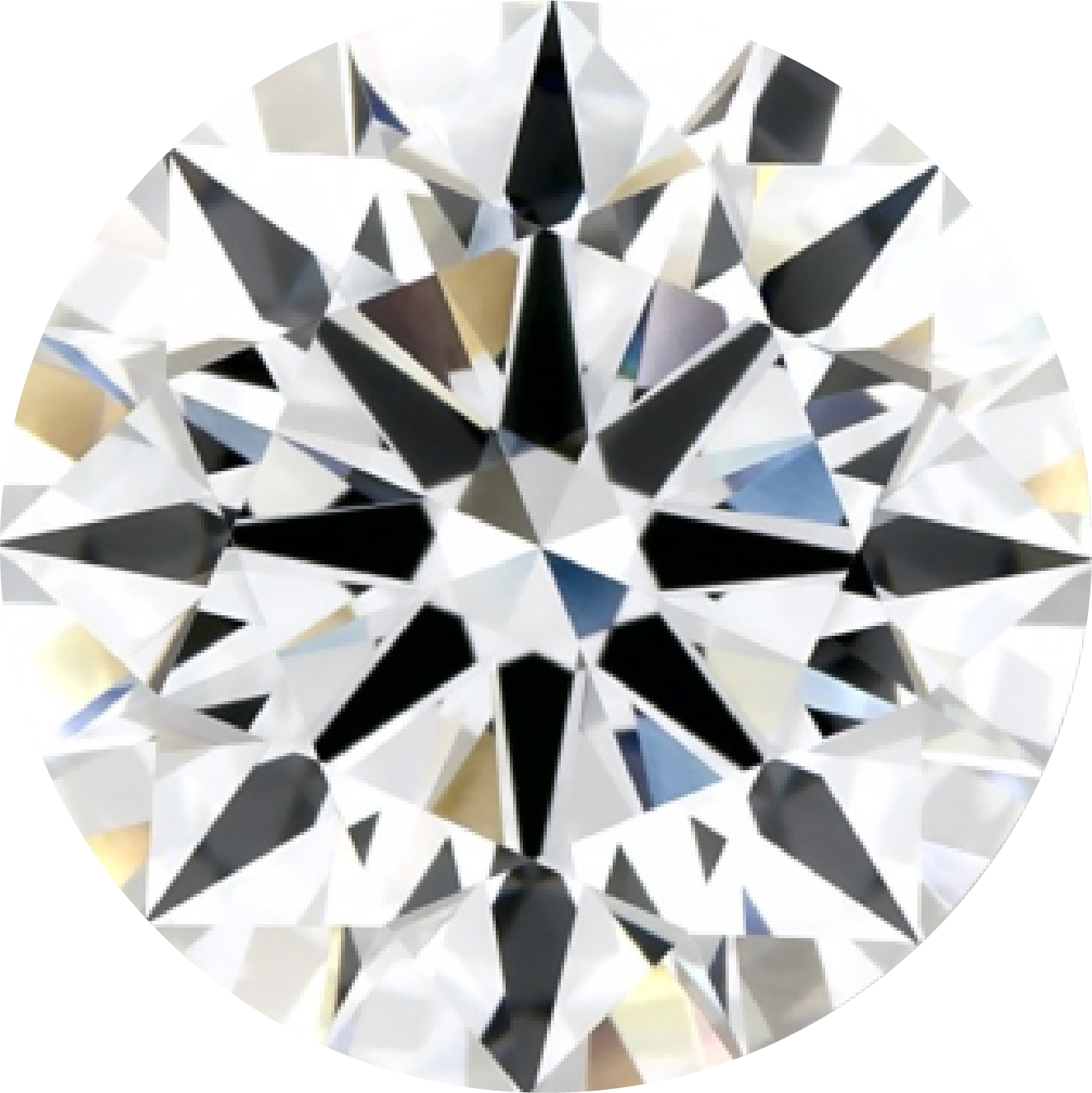
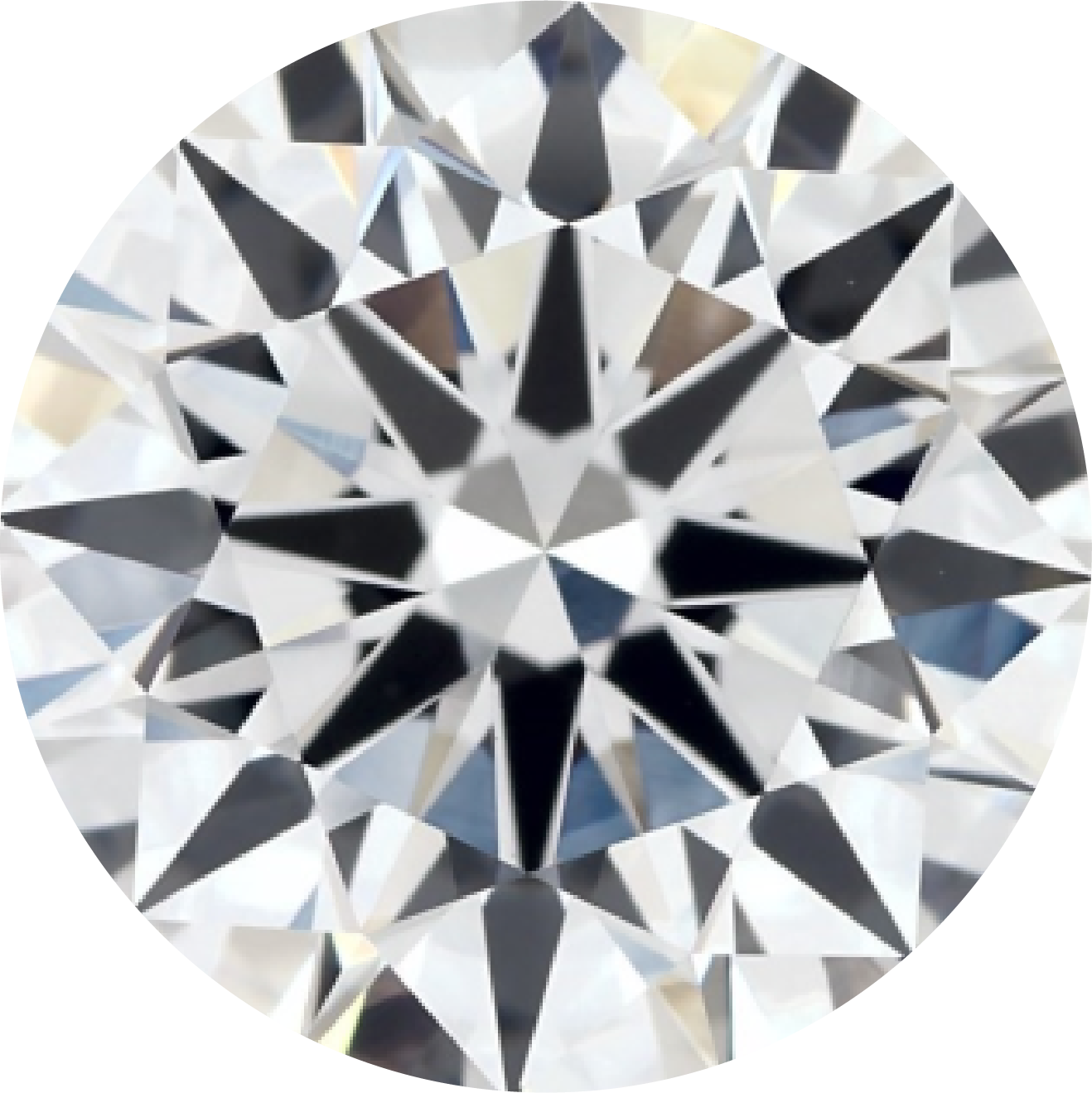
Two identical diamonds: GIA Certified, 1.51ct, D Color, VVS1, Ideal Cut. One is natural ($16,240), the other is lab-grown ($1,970). Choose the diamond you like better and see if you can match it to its origin.
What is a Red Diamond? The Science of a Geological Anomaly
When a client asks me “what is a red diamond?”, the answer always starts with a bit of a shock. It is the only fancy colored diamond whose color comes from, quite literally, nothing. This isn’t just a gemstone; it’s a geological ghost story, a story of pure carbon changed by an almost impossible event.
The Science of Red: A Diamond Born from Trauma
Here’s what blows everyone’s mind: what ingredient makes a diamond red? It’s nothing.
Unlike a Blue Diamond that gets its stunning color from the element boron, or a vibrant Yellow Diamond that is colored by nitrogen, a diamond red color is born from pure carbon. So, where does the color come from?

It comes from an extreme, violent event deep within the Earth—a process called plastic deformation. As the diamond was forming, the pressure and heat were so unbelievably intense and came from so many directions at once that it twisted the diamond’s internal crystal lattice.
This atomic-level strain altered the very path light could travel through it, forcing the diamond to absorb every color of the spectrum except one, which it reflects back to our eyes: that impossible, breathtaking fancy red.
It is an amplified, super-rare, and much more violent version of the same pressure-induced process that creates the beautiful color in a Pink Diamond. It’s not a gem born of chemistry; it’s a gem born of trauma.
The 2025 Tech Angle: We are now on the bleeding edge of understanding this. Scientists are using new AI-driven spectroscopy, a technology called “deformation mapping,” to analyze geological data and predict where these incredibly high-pressure zones might have existed, potentially guiding future exploration. It’s a controversial new science, but it shows how the mystery of the red diamond is pushing technology forward.
Red Diamond vs. Ruby: The Ultimate Red Gemstone Showdown

This is the question I get all the time: “It’s a red stone, isn’t it just like a ruby?” My answer is always a respectful but firm “absolutely not.” While they may share a color, they are in completely different universes. One is a noble, beautiful gemstone. The other is the undisputed king of all gems on Earth.
Let’s look at the tale of the tape. This is the definitive breakdown.
| Feature | Red Diamond (The King) | Ruby (The Noble) |
| Composition | Pure Carbon | Corundum (Aluminum Oxide) |
| Hardness (Mohs) | 10 (The hardest substance on Earth) | 9 (Extremely durable) |
| Rarity | The rarest gem on Earth | At least 200 times more common than a red diamond |
| Price (per carat) | $1 Million+ | $10,000 – $100,000+ for top gems |
| Brilliance | Explosive, fiery sparkle | Deep, glowing “silky” luster |
My Expert Take: “Don’t just glance at that table—really let the rarity sink in. You could own 200 of the finest, most perfect rubies in the world for every one true red diamond gem. Their value is a direct reflection of this almost unbelievable scarcity. The price difference between a ruby and other colored gems is a topic we explore further in our Gemstone Price Guides.”
The Core Question: Just How Rare Are Red Diamonds?
We’ve entered a level of rarity that is difficult to describe without sounding like I’m exaggerating. I am not. In the world of gemstones, there is rare, there is ultra-rare, and then, in a category all by itself, there is the natural red diamond. It is not just a gemstone; it’s a geological ghost, an almost-impossibility.
How Many Red Diamonds Are There in the World?
Let me state the shocking, brutal, and honest truth directly. There are fewer than 30 gem-quality, natural red diamonds over half a carat confirmed to exist in the entire world.
Let that sink in for a moment.
- More people have walked on the moon (12).
- There are more original Da Vinci paintings in existence.
This immediately answers the question of why are red diamonds so rare: because the violent, perfect storm of conditions required for their formation—that ‘plastic deformation’ we talked about—is a one-in-a-billion geological miracle.
For every one time the Earth’s pressure created that perfect red, there were millions of times it failed, creating a lesser stone or destroying the crystal entirely. The immense journey a diamond takes, which we explore in At What Depth is Diamond Found?, is even more treacherous for these impossible gems.
The Argyle Effect: When the World’s Only Source Vanished
If that mind-boggling scarcity wasn’t enough, the story gets even more dramatic. For the past four decades, the vast majority of the world’s most spectacular colored diamonds, especially the finest Pink Diamonds and virtually all of its rare reds, came from one single, miraculous source: the Argyle Mine in Australia.
The Argyle mine was a geological treasure chest unlike any other. And in November 2020, it permanently closed.
This was not a slowdown or a pause. This was the end of an era. The vault that held the world’s most precious treasures was sealed forever. The primary source for new natural red diamonds being unearthed each year has now vanished, making every single existing stone an even more finite, precious, and irreplaceable artifact.
My Expert Take: “The Argyle closure transformed every existing red diamond gem from a ‘rare stone’ into a ‘historical asset.’ The known supply is now finite. This event fundamentally changed the value and legacy of these diamonds forever, a concept central to how we approach a gem’s ultimate value, which I explain in my guide to the Definition of Appraisal for a Diamond Ring.”
The red diamond now sits firmly atop the pyramid of preciousness. To see exactly where it fits in the hierarchy of all the other incredible fancy colors—from the sunny Yellow Diamond to the icy Blue Diamond—you must read my definitive guide: The Fancy Color Diamond Rarity Report.
ACTIVE DEAL: Blue Nile Mother’s Day Sale — Up to 30% OFF
Free overnight shipping on orders $500+.
Free 30-day returns. Lifetime warranty.
Also: New email subscribers get $50 off their first order of $500+.
Looking for more? Check out the Clear The Vault event.
*Exclusions may apply. See Blue Nile for complete details.
The Legends: The Famous Red Diamonds That Define Rarity
A gem’s true rarity is proven by the legends that define it. For the natural red diamond, these are not just stones; they are historical artifacts, each with a story that underscores just how impossible this color truly is. These are the titans of the gem world, the icons against which all others are measured.
The Moussaieff Red: The Undisputed King

If the world of red diamonds has a reigning monarch, this is it. The Moussaieff Red is, to this day, the largest known Fancy Red diamond in the world.
Its story is the stuff of legend. Discovered by a Brazilian farmer in the 1990s as a 13.90-carat rough crystal, it was acquired by the famed diamond cutter William Goldberg. He undertook the nerve-wracking task of polishing it, ultimately yielding a magnificent 5.11-carat triangular brilliant cut, also known as a trilliant. Its estimated value today is well over $20 million.
My Expert Take: “The decision to cut this stone was a multi-million dollar gamble. For a cutter, the goal with a red diamond rough is completely different than with a colorless one. It’s not about brilliance, but about preserving every last point of that impossible red color.
This stone is the ultimate benchmark against which every other red diamond is judged.”The artistry involved in a cut like this is a world away from the precision required for a performance-focused cut like those we celebrate in our Hearts and Arrows Diamonds guide.
The Hancock Red: The Game-Changing Record-Setter

The story of the Hancock Red is the moment the red diamond price became legendary. This was the shot heard ’round the gem world. In 1987, this tiny 0.95-carat purplish-red diamond went to auction at Christie’s. For context, its owner had reportedly paid just $13,500 for it in 1956.
It sold for $880,000.
That figure, an astronomical $926,000 per carat, was a world record at the time. It was the first time the public truly understood the immense value concentrated in this mythical color. This diamond single-handedly proved that for fancy colored diamonds, rarity and color trump size every single time.
Its incredible appreciation in value is a masterclass in how rare assets perform over time, a concept we explore in our guide on How Much a Diamond Can Be Sold For.
The Other Titans: The Kazanjian & DeYoung Reds

To fully grasp how exclusive this club is, you need to know the names of the other members. The Kazanjian Red Diamond, at 5.05 carats, and the DeYoung Red, at 5.03 carats, are the only other two known red diamonds over the 5-carat mark.
The DeYoung Red is now a public treasure, residing at the Smithsonian Museum for all to see. The fact that we can name every single one of these large red diamond titans on one hand proves their mind-boggling scarcity.
They are in a category of rarity so extreme, they share more in common with the almost mythical Purple Diamond than with any other gem.
The Newcomer: The Winston Red (The 2025 Smithsonian Debut)
The story of the red diamond isn’t just history; it’s still being written. To prove just how current and alive this market is, in April 2025, the Smithsonian announced the acquisition of a new treasure: the Winston Red.
At 2.33 carats, this magnificent fancy red diamond is one of the largest and finest examples known. Its debut on public display brought a fresh wave of excitement and media attention to these incredible gems, educating a new generation about their rarity.
Its presence at America’s most famous museum adds another layer of verification and prestige to the entire category, underscoring the importance of public trust and authentication—a concept that is at the very heart of why I advocate for the rigorous standards explained in my guide, What Does GIA Certified Mean?.
Celebrity Inspiration: The Ultimate Status Symbol
So, where are all the celebrity red diamond engagement rings? This is the fascinating part: they barely exist. While stars drip in every other color, a true red diamond is often beyond even their reach. It is the ultimate status symbol precisely because it is so rarely seen.
While we’ve detailed the incredible celebrity collections in our guide to Iconic Yellow Diamond Engagement Rings, red diamonds are different. You will see stars like Zendaya or Rihanna wearing jewelry with red diamond accents, but almost never a large red diamond ring as the centerpiece.
To own one is to enter a level of collecting that surpasses celebrity and enters the realm of billionaires and royal families. Its absence on the red carpet speaks louder than its presence ever could.
The 2025 Red Diamond Price Guide: The Two Realities of Cost
When you ask a question like, “how much is a red diamond?” or “what is a red diamond worth?” the answer in 2025 is a tale of two completely separate, parallel universes. One is the world of natural, investment-grade assets—a world of astonishing wealth, rarity, and historical significance.
The other is the brilliant, accessible reality of the modern lab-grown marvel—a world of technology and breathtaking value.
As your trusted guide, my job is to make you an expert in both. Let’s pull back the curtain on the real-world numbers.
Reality #1: The Natural Red Diamond Market – The Realm of “Priceless”
This isn’t a jewelry market; this is a fine art and hard asset market. A natural red diamond is not treated as a piece of jewelry but as a historical artifact, a geological miracle that has its own unique financial ecosystem.
Based on the very latest 2025 market data, while the broader fancy-color diamond market saw a tiny, almost negligible dip of -0.3% in Q1 due to global economic shifts, the demand for pinnacle assets like Fancy Red diamonds remains incredibly strong. Their prices are not just resilient; they are appreciating.
This is proven by the recent record-setting auction of a 2.09-carat red diamond for $5.09 million. While this specific sale was exceptional, the average red diamond price per carat for a pure, high-quality stone remains firmly at $1 million+.
“Let me be brutally honest. Looking for a natural red diamond for sale is like hunting for a ghost. These stones don’t just sit in a regular inventory, even at the world’s top jewelers. Their appearance on the open market is a major event. The fact that we can find any at all is a testament to the global reach of retailers like James Allen and Blue Nile.”
Let’s look at the actual inventory as of late 2025 to see what this rarity looks like in real numbers:
The Blue Nile Specimen
Across their entire global inventory, Blue Nile has exactly one diamond with red as its primary color: a spectacular GIA 0.30 Carat Fancy Purplish Red-SI2 Princess Cut Diamond. The price is $278,450.
My Analysis: Do the math: that is $928,166 per carat for a stone that weighs less than a third of a carat. The “Purplish” secondary hue is the most desirable modifier for a red diamond, adding to its beauty and value. The SI2 clarity is perfectly acceptable here; the color is the only story that matters.
The James Allen Specimen
Similarly, a search at James Allen reveals just a single pure red stone: a GIA 0.28 Carat Fancy Red-I1 Princess Cut Diamond for $165,990.
My Analysis: The key detail here is the I1 clarity. In my guide to I1 Clarity Diamonds, I tell you to avoid them for almost any other purchase. But for a fancy red diamond, the rules are completely rewritten. The color is so impossibly rare that a lower clarity grade is not just accepted; it is often the norm. You are not buying a flawless stone; you are buying an impossible color.
This is the reality of the price of a red diamond. It is a world where carat weight and clarity are secondary to the mind-boggling rarity of the hue. Its value can only be confirmed by a top-tier lab, a lesson central to my guide, What Are the Best Diamond Certifications?.
Reality #2: The Lab-Grown Red Diamond Revolution – The Attainable Masterpiece
Now, take a deep breath, because we are about to leap into a completely different universe. The second reality is the one made possible by science. A red lab grown diamond is a 100% real diamond, but it’s created in a lab that has perfected the conditions to produce this impossible color.
Because it’s a product of technology, not geological scarcity, it allows us to experience this mythical color for ourselves. The value proposition here is simply mind-blowing.
The number of available options and their prices are simply staggering when compared to the natural world.
The Unbelievable Entry Point
Let’s start with a beautiful stone from Blue Nile: an IGI 0.97 Carat Fancy Vivid Red-VS2 Cushion Modified Cut Lab-Grown Diamond is available for just $690. You can own a piece of this mythical color, at a respectable size, for less than a nice dinner out.
The One-Carat Sweet Spot
For what is often the “holy grail” size, a 1 carat red diamond, the value is just as incredible. Blue Nile offers an IGI 1.05 Carat Fancy Vivid Red-VS1 Pear Shaped Lab-Grown Diamond for only $1,440. This is a top-tier color grade, in a beautiful shape, with an excellent clarity grade (which you can learn more about in my VS1 Clarity Guide), for less than 0.1% of the price of a natural stone.
The Statement-Making Showstoppers
Here is where the lab-grown reality becomes a dream. You can acquire sizes that, if they were natural, would be among the most famous named diamonds in the world.
- From James Allen, you can get a spectacular IGI 6.11 Carat Fancy Vivid Red-VS1 Oval Cut Lab-Grown Diamond for only $8,710.
- Want to go even bigger? A mind-boggling IGI 11.96 Carat Fancy Red-VVS2 Emerald Cut Lab-Grown Diamond is available for $15,950. A nearly 12-carat red diamond—it’s an A-list, museum-level look that modern science has made a reality. The process to create such stones is a marvel, which I cover in my guide to the Types of Lab-Grown Diamonds.
My Expert Advice: “You must go into this purchase with your eyes wide open. Data shows that lab-grown diamonds have little to no long-term resale value. You are not buying an asset. You are buying the breathtaking beauty of an impossible color. If you are in love with the look and the incredible value, it is one of the smartest, most beautiful purchases you will ever make.”
The Bottom Line: Price Comparison at a Glance
| Feature | Natural Red Diamond (1 Carat) | Lab-Grown Red Diamond (1 Carat) |
| Approx. Price | $1 Million – $2 Million+ | $1,500 – $3,000 |
| What You’re Paying For | Geological Rarity & Historical Asset Value | Technological Beauty & Accessible Luxury |
| Availability | Next to Impossible | Readily Available Online |
| Investment | Yes, a hard asset. | No, a beautiful consumer good. |
How to Buy a Red Diamond (Or Get the Red Diamond Look)
You’re inspired by the legends, you understand the impossible rarity, and you’re captivated by the color. Now comes the most important part: how do you actually acquire a piece of this magic? This is where my job as your expert guide gets very serious.
Buying a red diamond engagement ring is unlike any other purchase in the world. The rules are different, the stakes are higher, and knowledge is your only shield.
Understanding Red Diamond Color: One Level of Intensity
First, we need to talk about color grading, because for red diamonds, it’s unique. While other fancy colors have a whole range of intensities (Fancy Light, Fancy, Fancy Intense, etc.), red is a world unto itself.
The GIA has only one intensity grade for a red diamond: “Fancy Red.”
That’s it. There is no “Fancy Light Red” or “Fancy Intense Red.” Why? Because a “light red” is simply a Pink Diamond. The red designation is reserved for stones that have achieved a level of color saturation so deep and so pure that they cross a mythical threshold.
Because a pure, unmodified fancy red diamond is the rarest thing on earth, most red diamonds you encounter will have a secondary color modifier, which dramatically affects their look, personality, and price.
Purplish Red
This is the most desirable and often most beautiful secondary hue. It adds a layer of depth and a royal, majestic quality to the red. That incredible GIA 0.30 Carat Fancy Purplish Red from Blue Nile is a perfect example of this top-tier, collectible combination.
Brownish Red / Orangey Red
These hues are considered less desirable. A brownish modifier will create a “brick red” or “garnet-like” color, while an orangey one can look a bit like a “burnt orange.” While still incredibly rare, these stones will be valued significantly lower than a pure or purplish red.
The difference in value a secondary color makes is a lesson we see across all fancy colors, which I detail in my guide to the Natural Orange Diamond.
The Best Cut & Shape for a Red Diamond
If you’ve studied the 4Cs, you know that Cut is usually about maximizing a diamond’s brilliance. For a red diamond, I need you to forget all of that.
Mehedi’s Expert Take: “With a red diamond, the cutter’s job is an act of preservation, not performance. Their #1, #2, and #3 goals are to preserve precious carat weight and, above all, maximize the color saturation.
They will make every decision to trap light within the stone, forcing it to absorb as much of the spectrum as possible to radiate that pure red. They will sacrifice traditional sparkle, spread, and almost everything else to achieve the deepest possible red.”
This is why you almost never see a round brilliant red diamond. That cut is designed to be “leaky” to maximize fire and brilliance, which can wash out a fancy color. Instead, cutters will almost always choose fancy shapes for a red diamond ring.
The Power Players:
Shapes like the Radiant Cut and Cushion Cut are the absolute kings of the fancy color world. Their complex, mixed faceting patterns are like a hall of mirrors, masterfully trapping light and intensifying color.
The Princess Cut, like the two rare natural red diamonds we’ve seen from James Allen and Blue Nile, is another excellent choice for its ability to concentrate color. To understand just how different this cutting philosophy is, I encourage you to read my guide on the ultimate cut for performance, Hearts and Arrows Diamonds.
The Perfect Setting: A Strategic Choice for an Impossible Gem
For a stone this important, the setting is not just a band; it is a throne. The metal choice is a strategic decision designed to amplify the diamond’s magnificent color.
Rose Gold
This is my number one recommendation for a Purplish-Red stone. The warm, pinkish hue of the rose gold will complement and enhance the stone’s secondary purple and pink undertones, making the entire piece feel richer and more cohesive. It’s a beautiful harmony of color.
Platinum or White Gold
This is the classic, high-contrast choice, especially for a pure “Fancy Red”. The stark, cool white of the metal acts as a neutral frame, providing no color interference and making the red pop with maximum power and drama.
Yellow Gold
While less common, yellow gold can create a warm, almost regal look, especially with a slightly Orangey-Red stone.
The ability to create a custom piece is paramount for a gem this rare, a process of co-creation that is at the heart of my Taylor & Hart Review.
Where to Find Red Diamonds For Sale
This is where we need to be brutally honest about the two realities of the red diamond market.
You do not “shop” for a natural red diamond; you “source” one. They are not available in a standard inventory. You must go through:
- High-End Private Dealers and Wholesalers.
- Specialty Fancy Color Diamond Houses (like Leibish & Co. from the competitor articles).
- Top-Tier Auction Houses (Christie’s, Sotheby’s).
This is a world of private consultations and global searches. The fact that Blue Nile and James Allen each have a single natural stone under 0.5 carats for sale is a testament to their incredible global reach and just how impossible these gems are to find.
This is where the dream becomes a reality for everyone else. Thanks to modern technology, the impossible color is now accessible. The premier online destinations for red lab diamonds are James Allen and Blue Nile.
- Why them? Because their high-resolution, 360° imaging technology is non-negotiable for a colored diamond. It allows you to see the true saturation, hue, and personality of the stone from your own home.
- The Unbelievable Selection: You can browse a stunning array of options, from a 1.63 Carat Fancy Red Pear Shape at Blue Nile to a showstopping 5.54 Carat Fancy Vivid Red Asscher Cut at James Allen. You have choices that, just a decade ago, would have been pure fantasy.
The online buying experience for these stones is now world-class, a topic I cover in my full James Allen Review.
Read Our 5-Star Blue Nile Review
Check our comprehensive Blue Nile review to learn why we rated Blue Nile 5 stars for their exceptional quality and value.
Your Red Diamond Questions, Answered
You’re asking the right questions. The world of the red diamond is one of myth, science, and mind-boggling value. As your expert guide, I will give you the direct, honest answers you’re looking for.
Rarity, Formation, and Color Grading Related Questions
What makes red diamonds the rarest and most expensive of all fancy colored diamonds, and how is their unique “Fancy Red” hue caused by plastic deformation in the crystal lattice rather than chemical impurities?
This is the most incredible part of their story. What makes red diamonds the rarest and most expensive is that their color comes from a geological miracle, not a chemical ingredient.
How They’re Different: Unlike a Blue Diamond (colored by boron) or a Yellow Diamond (colored by nitrogen), a pure red diamond gem is made of nothing but carbon. Its color comes from an event called “plastic deformation.”
The Science of “Trauma”: During its formation deep within the Earth, the diamond was subjected to such immense, multi-directional pressure that its internal crystal lattice—its atomic structure—was twisted and strained. This physical distortion is so rare and so precise that it alters the way light travels through the diamond, causing it to reflect that impossible, breathtaking red hue.
The Rarity-to-Price Connection: The conditions required for this to happen are a one-in-a-billion miracle. The rarity is so extreme that the laws of supply and demand drive the red diamond cost into the stratosphere, making it the undisputed king of all gems. This incredible journey from deep within the earth is a topic we explore further in my guide, At What Depth is Diamond Found?.
Can you provide a comprehensive comparison of red diamonds vs. rubies, detailing the differences in composition, hardness (Mohs scale), and which one is the more valuable gemstone?
This is a fantastic question and the source of a lot of confusion. While both are “red stones,” they are in completely different leagues.
Here is the ultimate red diamond vs. ruby breakdown:
Composition: A red diamond is pure, crystallized carbon. A ruby is a member of the corundum family (aluminum oxide), which gets its red color from traces of chromium. To learn about ruby in-depth, you can read my guide on the Ruby, the July Birthstone.
Hardness: A diamond scores a perfect 10 on the Mohs scale, making it the hardest natural substance on Earth. A ruby scores a very durable 9.
Rarity: This is the key difference. A high-quality ruby is a rare and precious gem. A red diamond is a statistical impossibility. There are at least 200 fine-quality rubies in the world for every single natural red diamond.
Value: Because of this extreme rarity, there is no contest. The red diamond is exponentially more valuable. The finest rubies in the world might sell for over $100,000 per carat. A top red diamond starts at $1 million per carat.
How does the GIA grading system for red diamonds differ from other fancy colors, specifically why is the grade limited to just “Fancy Red” with no intensity modifiers like “Vivid” or “Intense,” and what are the most common secondary hues?
The GIA grading for red diamonds is unique and fascinating. Unlike other fancy colors that have a full range of intensity levels (like Fancy Light, Fancy, Fancy Intense, etc.), a red diamond only has one: “Fancy Red.”
Here’s why: gemologically, the GIA considers a red diamond to be a “supersaturated” pink diamond. In other words, a “light red” is simply a Fancy Vivid Pink Diamond. To earn the “red” designation, the color must already be at the absolute maximum possible saturation, so there is no need for further intensity modifiers like “Vivid” or “Intense.” “Fancy Red” is the top of the scale.
The most common secondary hues you will see on a GIA report are:
Purplish Red: This is the most desirable and often most beautiful modifier, adding a deep, royal complexity.
Brownish Red: Less desirable, creating a “brick-red” hue that lowers the value.
Orangey Red: Also less desirable than purplish, this can create a “burnt-orange” red look.
Understanding these official grades is critical, a point I make in my guide to What Does GIA Certified Mean?.
Where are the primary and historical mines for red diamonds located, and how has the 2020 closure of the Argyle Mine in Australia impacted the current and future global supply?
Historically, small numbers of red diamonds have been found in Brazil and Africa. However, for the last 40 years, the undisputed primary source for almost all of the world’s finest red (and pink) diamonds was one single, magical place: the Argyle Mine in Western Australia.
The permanent closure of the Argyle Mine in November 2020 was a seismic, industry-shaking event. It means the world’s main—and only consistent—source of new red diamonds has vanished forever.
The impact is profound:
Supply is now finite: The known pool of natural red diamonds is essentially fixed. No significant new supply is expected.
Value has increased: This “supply shock” has made every existing red diamond an even more precious, irreplaceable historical artifact, causing their value and collectibility to skyrocket. We explore the history of this legendary mine in my deep-dive, The Legacy of Argyle Diamonds.
Price, Investment, and Value Related Questions
What is the current average red diamond price per carat for a pure, high-quality stone, and how does this multi-million dollar valuation compare to other rare colored diamonds like pink or blue?
Let’s be direct, because the numbers are staggering. The current average red diamond price per carat for a high-quality, pure Fancy Red stone starts at $1 million and can easily exceed $2 million per carat, even for stones under the 1-carat mark.
How does this compare to other rare gems?
While a world-class, large Blue Diamond or Pink Diamond can certainly achieve similar multi-million-dollar-per-carat prices at auction, the average price and the entry point for a red diamond is fundamentally higher.
You can acquire a beautiful, small, natural pink or blue diamond for under $50,000. For a pure red, that is simply not possible. Its starting price point is in a completely different league due to its absolute, undisputed status as the rarest of the rare. It is the king, and it is priced accordingly.
Please detail the record-setting auction history for red diamonds, including the carat weight, final price, and price per carat of the 2.09-carat heart-shaped red diamond that sold for $5.09 million.
The auction block is where a red diamond’s legendary value is proven, and the results are consistently breathtaking.
The recent sale you mentioned is a perfect example. A magnificent 2.09-carat, heart-shaped red diamond went to auction and commanded a final price of $5.09 million. Let’s do the math on that: it translates to an incredible $2.43 million per carat. This is the kind of price that reaffirms the red diamond’s position at the very top of the asset pyramid.
The choice of a Heart Shape for such an important stone also speaks to its deeply romantic and emotional appeal.
This sale joins a legendary history of record-setters, including:
The Hancock Red (1987): A tiny 0.95-carat stone that sold for $880,000, setting a per-carat record of $926,000 at the time and putting the world on notice.
The Argyle Phoenix (2024): This 1.56-carat round red diamond, one of the last great gems from the Argyle mine, sold for $4.2 million, or approximately $2.68 million per carat, setting a new benchmark.
These public sales are the ultimate form of appraisal, a concept we explore in my guide to the Definition of an Appraisal for a Diamond Ring.
Given their extreme rarity and high price point, are red diamonds considered a good long-term investment asset, and what is the typical profile of a collector or investor who purchases them?
Yes, unequivocally. The natural red diamond is considered one of the most secure and powerful long-term investment assets in the world. With fancy colored diamond prices showing annual growth of 5-10%, and red diamonds at the top of that pyramid, they have consistently outperformed stocks and other commodities amid economic volatility. The closure of the Argyle mine has only intensified this, creating a finite, “closed collection” scenario where the supply is essentially fixed.
The typical buyer of a red diamond is not just a jewelry lover; they are a sophisticated collector and investor. The profile includes:
High-net-worth individuals and family offices seeking a tangible, portable hard asset.
Connoisseurs of the impossibly rare, who view the diamond like a Picasso or a Da Vinci.
Investors looking to diversify their portfolio and hedge against inflation.
This is a world beyond standard jewelry purchases, requiring a completely different mindset, one we touch on even for more common diamonds in my guide on How Much a Diamond Can be Sold For.
Beyond the 4 Cs (Carat, Color, Clarity, Cut), what are the most critical factors that determine the value of a red diamond, particularly the presence of modifying colors like brownish-red or purplish-red?
While the 4Cs are always a factor, the valuation of a red diamond has its own set of rules, and the most critical factors beyond the basics are all related to its color.
My Expert Take: “For a red diamond, there is only one ‘C’ that truly matters: Color. But within that ‘C,’ there is a universe of multimillion-dollar nuances.”
Here are the most critical factors:
Color Purity (The #1 Factor): A GIA certificate that says simply “Fancy Red” is the holy grail. This means the diamond has a pure, straight red color with no other modifying hues. This is the most valuable and rarest of all.
Modifying Hues (The Value Hierarchy): The presence of a secondary color is the next most critical factor. The hierarchy is clear: a “Purplish-Red” is the most valuable and desirable modifier, adding a beautiful layer of royal complexity. A “Brownish-Red” or “Orangey-Red”, while still incredibly rare, will be valued significantly lower. The difference in a single word on the GIA report can mean hundreds of thousands of dollars.
Provenance: A diamond with a documented history—for example, if it came from the famous Argyle Mine or was part of a famous collection—carries a significant premium.
These subtle distinctions are what make the difference between a great gem and a legendary one, a principle we also see in the very highest clarity grades, which I discuss in my guide to VVS1 Diamond Meaning and Cost.
Famous Stones and Buying Guidance Related Questions
What are the three most famous red diamonds in the world, including the Moussaieff Red Diamond (5.11 carats) and the Kazanjian Red Diamond, and what is the estimated value of the largest known specimens?
While there are a handful of legendary stones, the “big three” that define the very pinnacle of rarity are:
The Moussaieff Red Diamond: The undisputed king. At 5.11 carats, it is the largest Fancy Red diamond ever graded by the GIA. Its estimated value is over $20 million.
The Kazanjian Red Diamond: A historically significant stone that was once named the “Red Diamond.” At 5.05 carats, it is a near-mythical gem with a storied past. It was once famously stolen and rediscovered, adding to its incredible legacy.
The DeYoung Red: At 5.03 carats, this is the third-largest known red diamond and is a public treasure, housed in the Smithsonian’s National Gem Collection.
The value of these stones is almost immeasurable, as they would likely set new world records if they were to come to auction today. The concept of giving a gift of such immense significance is a theme we explore even in our guide to Luxury Push Present Ideas, where the story is just as important as the gem.
When purchasing a red diamond, what are the essential steps for certification and authentication, and what are the key differences between a natural, treated, and synthetic lab-grown red diamond?
This is the most important question you can ask, and your financial safety depends on the answer. The essential step is demanding a GIA certificate that explicitly states the “Origin of Color” is Natural.
Here are the key differences you must know:
Natural Red Diamond: A geological miracle formed in the earth. The ultimate rare asset. Price is in the millions per carat.
Treated Red Diamond: A real, natural diamond of a less desirable color (like brownish) that has been artificially enhanced with processes like irradiation and annealing to give it a red color. It is much less valuable, and this must be disclosed on its certificate.
Synthetic (Lab-Grown) Red Diamond: A real diamond, but created by humans in a lab. It is chemically and visually identical to a natural stone but has none of the rarity. Its price is a tiny fraction of a natural one, and it is a purchase for beauty, not investment.
Understanding a certificate is your only protection. The tricks that lesser labs can play with fancy colors are a major red flag, a lesson at the very heart of my deep-dive, EGL vs. GIA Certification: A Jeweler’s Brutally Honest Takedown.
How does the market value of a red diamond under 1 carat compare to other colored diamonds, and why are even these smaller sizes considered viable investment stones?
A natural red diamond under 1 carat is still rarer, and therefore more valuable, than almost any other gemstone of any size. Its value is not based on size, but on its almost impossible existence.
Let me put this in perspective:
The 0.95-carat Hancock Red sold for $880,000 back in 1987. A flawless, colorless diamond of 10 or 15 carats would not have achieved that price at the time. A 0.30-carat Purplish Red from Blue Nile is on the market today for $278,450.
Even these “smaller” sizes are considered viable investment stones because the supply is finite and known to be less than 30 stones. It’s not like the broader diamond market, which we discuss in our article, Are Diamond Prices Dropping?. Red diamonds operate in their own financial ecosystem, driven purely by extreme scarcity.
How does the plastic deformation that creates the red color also influence the clarity of the stone, and is clarity (like VS1 or SI2) a major factor in the final price of a Fancy Red diamond?
This is an excellent, expert-level question. The answer is that the very process that creates the color is also what creates the inclusions. The immense pressure that twists the crystal lattice (plastic deformation) also creates internal “graining lines” and other features. A red diamond wears its formation story within its body.
Therefore, clarity is a much less significant factor in the final price compared to a colorless stone.
The vast majority of red diamonds have clarity grades in the SI (Slightly Included) to I (Included) range.
A red diamond with a VS or VVS clarity grade is a miracle upon a miracle and will command a huge premium, but a beautiful stone with an SI clarity is considered a world-class treasure. The priority is always the color. It’s a completely different mindset from the one we use when evaluating colorless stones, where the difference between VS2 and SI1 Clarity can be a major deciding factor.
Describe the unique way a red diamond’s color appears under different lighting, explaining why candlelight and daylight are often preferred over fluorescent light to showcase its deep red hue.
A red diamond’s true beauty is best revealed under full-spectrum lighting. Here’s why:
In Daylight & Candlelight: These light sources are rich in red wavelengths. They provide the stone with an abundance of red light to absorb and reflect back, making the diamond come alive with a deep, rich, fiery glow.
In Fluorescent Light: Standard fluorescent lighting (like in an office) is very heavy in the blue and green parts of the spectrum and weak in red. When a red diamond is in this environment, it has less red light to work with. This can cause the stone to appear slightly duller, sometimes taking on a more “garnet-like” or slightly brownish appearance. It’s like a world-class singer in a room with bad acoustics—the incredible instrument is there, but the environment isn’t allowing it to perform at its peak. This sensitivity to light is a characteristic shared by many gems, including some affected by Diamond Fluorescence.
How can I go about buying an engagement ring with a red diamond, and what are the best setting styles (like a classic solitaire or a three-stone ring) to enhance and protect this extremely valuable stone?
Buying a natural red diamond engagement ring is a process of sourcing a rare stone first, and then custom-designing the perfect setting to both showcase and protect it. For a lab-grown red diamond, the process is much more straightforward.
The best setting styles for this priceless gem prioritize security and color contrast:
The Fortress Solitaire: A classic solitaire is an excellent choice, but it must be in a 6-prong or even an 8-prong setting made from durable platinum. The prongs act as a secure cage.
The High-Contrast Three-Stone Ring: Flanking the fancy red center stone with two crisp, colorless side diamonds (like half-moons, trapezoids, or shields) creates a stunning visual contrast that makes the red pop.
The Secure Bezel: For ultimate protection, a bezel setting, which wraps the entire girdle of the diamond in a thin metal frame, is the most secure option available. It offers a modern look while ensuring the stone is protected from any potential impacts. The process of creating such a custom piece is a journey in itself, which I explore in my guide on how to Build Your Own Engagement Ring on James Allen.
What is the geological relationship between red diamonds and pink diamonds, and is it true that a red diamond is essentially a hyper-concentrated/darkest shade of pink caused by a more intense lattice distortion?
Yes, that is absolutely correct. Geologically and gemologically, a red diamond is essentially the rarest and most hyper-concentrated version of a pink diamond.
Shared Origin: Both pink and red diamonds get their color from the same phenomenon: plastic deformation (the twisting of the crystal lattice).
A Spectrum of Intensity: You can think of it as a spectrum of trauma. A slight lattice distortion creates a beautiful pink hue. A more intense, more uniform, and much, much rarer distortion pushes the color past pink and into the mythical realm of red.
The GIA’s Confirmation: The official GIA grading scale reflects this relationship. There is no such thing as a “Light Red” diamond. That stone, with its lighter tone, is simply called a “Fancy Vivid Pink.” To earn the “Red” designation from the GIA, a diamond’s color saturation must be beyond the very end of the pink spectrum. It is the ultimate expression of this geological phenomenon.
My Final Verdict: The Impossible, Attainable Gem
We began this journey by asking the ultimate question in the world of gems: “how rare are red diamonds?”
You now know the shocking and breathtaking answer. They are a geological impossibility. The red diamond is the king of all gemstones, a myth made real, born not from chemistry but from a violent trauma deep within the Earth. With fewer than 30 known to exist, a natural red diamond is not just a piece of jewelry; it is a historical artifact, an investment asset so rare that it exists in a category all its own.
But the most incredible part of the story is that in 2025, the impossible has become attainable. For the first time in history, the legend of the red diamond has split into two realities:
- The Natural Heirloom: The priceless, investment-grade treasure that represents one of the rarest objects on our planet.
- The Modern Masterpiece: The brilliant, scientifically identical lab-grown red diamond, which offers the same breathtaking, mythical color for a tiny fraction of the cost.
The choice is no longer between owning one or just dreaming of one. The choice is now yours.
Continue Your Research Journey
You are now armed with the kind of expert-level knowledge that few people in the world possess about the planet’s rarest gemstone. This is the foundation upon which you can build your entire diamond education.
The next exciting step is to take this knowledge and explore the other incredible facets of the diamond world. These hand-picked guides will take you from a connoisseur of rarity to a master of the entire market.
Explore Other Rare & Unique Diamond Options
You’ve seen the pinnacle of rarity. Now, discover the other incredible gems and cuts that offer their own unique stories and beauty.
- Discover the Gem “Kissed” by the Earth: The Ultimate 2025 Guide to Natural Green Diamonds.
- Master a Cut Prized for Its Color: Our Complete Cushion Cut Diamond Guide.
- A Deep-Dive into an Art Deco Classic: The Allure of the Asscher Cut Diamond.
Become an Expert in the Finer Details
You know what makes a red diamond special. Now, become an expert in the details that determine value and beauty across all diamonds.
- The Foundation of All Diamond Knowledge: Our No-Nonsense Diamond Grading Chart (The 4 Cs).
- Understand the “Sweet Spot” of Diamond Clarity: A full breakdown in Our VS2 Clarity Diamond Guide.
- Explore Another Major Player in Diamond Grading: The Truth About GSI Diamond Certification.
Master the Practical Side of Buying
Let’s turn your passion into a smart, confident purchase with these essential, real-world guides.
- A Head-to-Head Showdown Between Two Online Giants: Brilliant Earth vs. James Allen: Who Really Comes Out on Top?.
- My Ultimate Step-by-Step Guide to a Smart Purchase: The Complete Diamond Buying Guide.
- The All-Important Budget Question, Answered: A real, no-nonsense look at How Much You Should Spend on a Wedding Ring.