


What Happens if You Mix Silver and Palladium Together? The answer is, When you mix silver and palladium together, you’re combining two of the most highly regarded precious metals in the world.
Silver, known for its radiant shine and workability, and palladium, prized for its strength and tarnish resistance, create an alloy that offers both beauty and durability.
But what exactly occurs when you combine these two metals, and why is this alloy popular in jewelry and other industries? Let’s dive into the fascinating properties and advantages of mixing silver and palladium.
Is Palladium Silver? (Quick Answer)
No — palladium is not silver. They are two different precious metals with different atomic structures, properties, and prices. However, “palladium silver” is a common name for a silver-palladium alloy (typically 95 percent silver + 5 percent palladium), which combines the appearance of silver with the tarnish resistance of palladium. When people search “palladium silver” or “palladium sterling silver,” they usually mean this alloy — not palladium plated over silver.
Palladium Sterling Silver: What the Alloy Actually Is
“Palladium sterling silver” (sometimes called Argentium Sterling, Pd-Sterling, or 950 silver-palladium) is a modern jewelry alloy that replaces part of the copper in traditional sterling silver with palladium. Standard sterling silver is 92.5 percent silver + 7.5 percent copper. Palladium sterling silver typically breaks down as:
- 92.5 percent silver + 5 percent copper + 2.5 percent palladium: Standard palladium sterling. Better tarnish resistance than pure sterling.
- 95 percent silver + 5 percent palladium: Premium palladium sterling. Higher palladium content = better anti-tarnish properties and whiter color.
- 90 percent silver + 10 percent palladium: Rare high-palladium alloy. Very tarnish-resistant, closer to platinum in appearance.
The palladium content dramatically slows the tarnishing process compared to standard sterling silver. A palladium sterling ring can maintain its shine for years with minimal care.
Palladium Plated Silver vs Solid Palladium Silver Alloy
These are two very different things:
- Palladium plated silver: Sterling silver base with a thin layer of palladium plated on top (2-4 microns thick). The palladium plating wears off in 1-3 years of regular wear, exposing the silver underneath. Cheap option: $30-$150 for a ring.
- Solid palladium sterling silver (alloy): Palladium is mixed into the metal throughout — the entire piece is the alloy. Never wears off. Premium option: $150-$500 for a ring.
If you buy “palladium silver jewelry,” always verify whether it is plated (cheap, temporary) or a true alloy (durable, more expensive). Reputable retailers stamp the piece with “925 Pd” (palladium sterling) or “950 Pd” (higher-grade). Plated pieces usually just say “925” or “silver-plated.”
Why Mix Silver and Palladium?

Mixing silver and palladium can result in a high-quality, durable alloy with a unique set of characteristics. As specialists in precious metals at Aurelia, we understand the science behind these combinations and how they impact the overall properties of the resulting material. Here are the key advantages:
- Increased Durability: Silver, while beautiful, can sometimes be too soft for long-lasting jewelry. Palladium, a much stronger metal, enhances the alloy’s toughness, making it more resistant to scratches, dents, and wear.
- Tarnish Resistance: Silver is prone to tarnishing over time, but palladium’s natural resistance to tarnish helps maintain the alloy’s brilliance for much longer.
- Hypoallergenic Properties: Palladium is hypoallergenic, meaning it’s less likely to cause skin irritations or allergic reactions. This is especially important for those with sensitive skin, making the silver-palladium alloy a great choice for everyday wear.
- Unique Aesthetic: The combination of silver’s bright white hue and palladium’s slightly grayish tone results in an elegant, modern appearance that’s highly sought after in fine jewelry.
Diamond IQ Test: Natural or Lab-Grown?
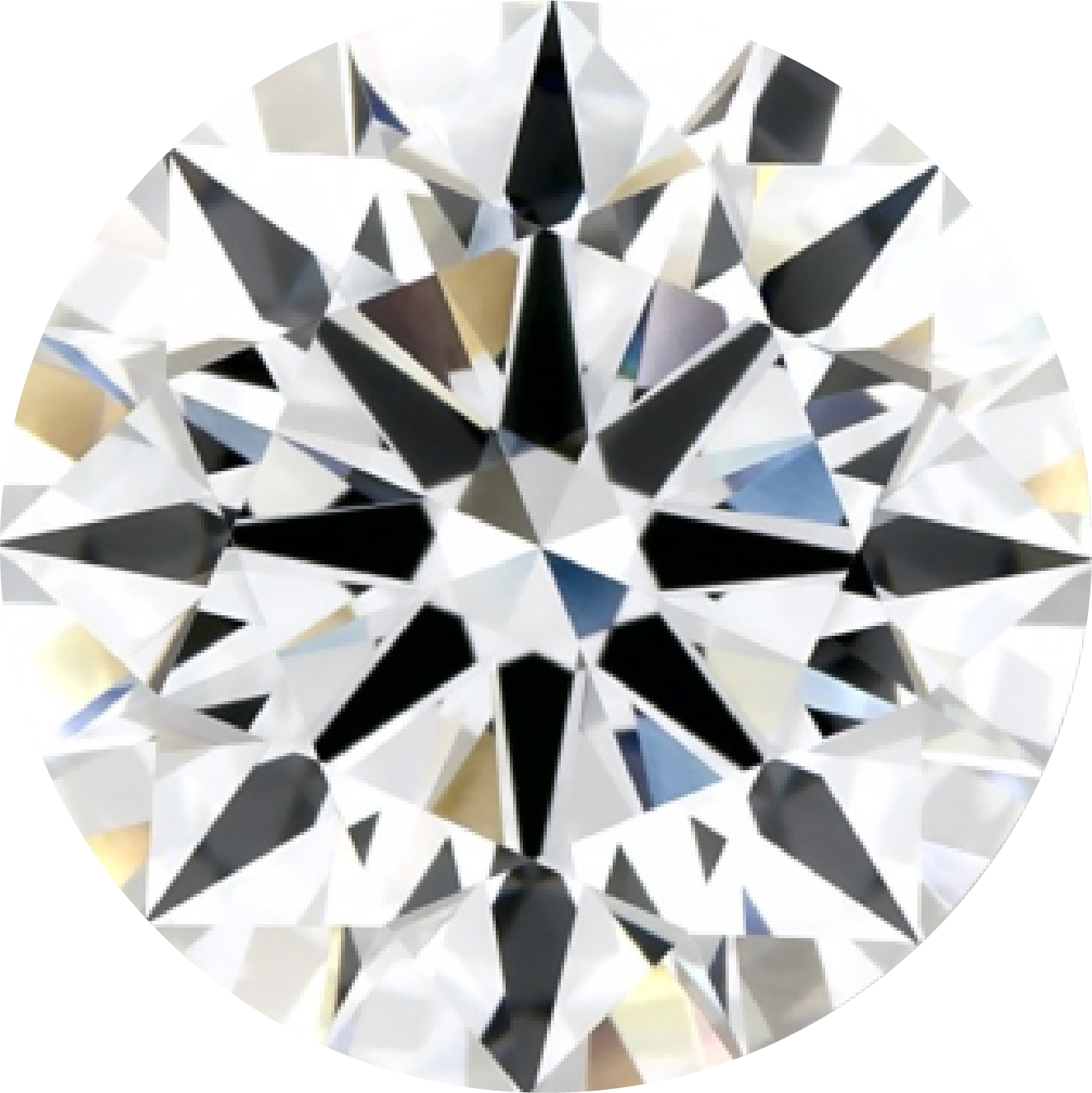
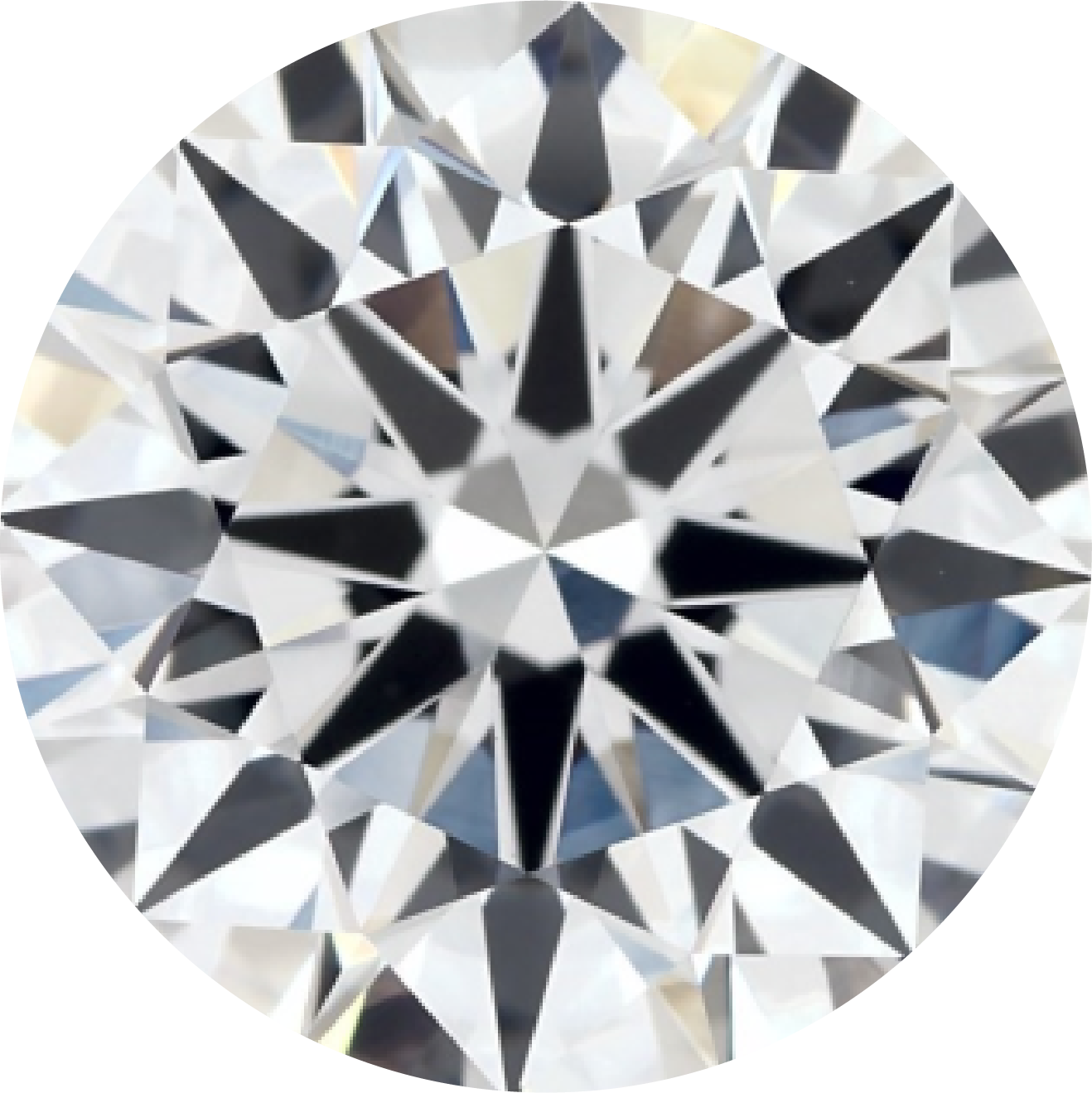
Two identical diamonds: GIA Certified, 1.51ct, D Color, VVS1, Ideal Cut. One is natural ($16,240), the other is lab-grown ($1,970). Choose the diamond you like better and see if you can match it to its origin.
Mixing Silver and Palladium: Properties and Comparison
To better understand the advantages of mixing silver and palladium, let’s take a closer look at the properties of each metal and how they interact when combined. Below is a comparison of key characteristics:
| Property | Silver (Pure) | Palladium | Silver-Palladium Alloy |
|---|---|---|---|
| Appearance | Bright, white sheen | Whitish-gray, lustrous | White, but more subdued than pure silver |
| Durability | Soft, prone to scratches | Strong, highly durable | More durable than pure silver |
| Tarnish Resistance | Prone to tarnishing | Excellent tarnish resistance | Resists tarnishing better than pure silver |
| Hypoallergenic | Can cause irritation for some | Hypoallergenic | Hypoallergenic, more suitable for sensitive skin |
| Workability | Easy to work with | Harder to work with | Moderate workability, easier than pure palladium |
| Cost | Affordable | Expensive | More affordable than pure palladium, but pricier than pure silver |
Let’s Breakdown the Table Further,
- Appearance: Silver is well-known for its bright, shiny appearance, while palladium’s slightly grayish hue can create a more sophisticated, understated look.
When combined, the alloy typically has a slightly muted tone, offering a more elegant and subtle shine compared to pure silver, making it popular in modern jewelry designs. - Durability: Silver is relatively soft and can be easily scratched or damaged, which is why it’s often alloyed with other metals. Palladium, on the other hand, is much stronger and more durable.
When mixed with silver, it enhances the overall toughness of the alloy, making it a much more resilient choice for everyday wear in rings, bracelets, and necklaces. - Tarnish Resistance: One of silver’s most common drawbacks is its tendency to tarnish over time, especially when exposed to air and moisture. Palladium, however, has an incredible resistance to tarnish, meaning that when you mix it with silver, the resulting alloy is far less likely to develop discoloration or dullness.
This makes the alloy an excellent option for jewelry pieces that need to maintain their shine for longer periods. - Hypoallergenic: For those with sensitive skin, silver can sometimes cause irritation or allergic reactions due to traces of other metals like nickel. Palladium, however, is naturally hypoallergenic, which makes the silver-palladium alloy a safer choice for people with skin sensitivities.
This property is one of the main reasons why many jewelers prefer to use this alloy for engagement rings and other pieces that come into frequent contact with skin. - Workability: Silver is known for being relatively easy to work with, making it a favorite among jewelers. Palladium is harder and more challenging to mold, which can increase the cost of crafting jewelry from this metal.
The silver-palladium alloy strikes a balance, offering a material that’s easier to work with than pure palladium while still retaining much of its strength and durability. - Cost: Pure palladium is a significantly more expensive metal than silver due to its rarity and the complexities involved in mining and refining it.
The silver-palladium alloy offers a more affordable option, especially for those who want the benefits of palladium’s strength and tarnish resistance without the high price tag. However, it’s still pricier than sterling silver, making it a middle ground for luxury jewelry.
💍 Limited Time: Forge your perfect ring! Get up to 20% OFF engagement ring settings at James Allen!
✨ Conscious Value: Save on brilliance! Lab-Grown Diamonds are now up to 10% OFF at James Allen.
🔥 Flash Sale:
Huge inventory blowout! Save
Is Silver and Palladium a Good Choice for Jewelry?
If you’re considering silver-palladium jewelry, here are a few points to keep in mind:
- Longevity: The durability and tarnish resistance make it a great choice for pieces you want to last for a long time without frequent maintenance.
- Aesthetic Appeal: If you’re looking for something that combines the elegance of silver with the modern sophistication of palladium, this alloy is an excellent option. It provides a chic, contemporary look without the high cost of platinum or gold.
- Skin Sensitivity: For those with sensitive skin or metal allergies, a silver-palladium alloy can be a safe and attractive option.
James Allen: Our 5-Star Choice for Price and Selection
Check our comprehensive James Allen Review to learn more about their pricing and commitment.
Key Differences Between Silver, Palladium, and Their Alloy
| Property | Silver | Palladium | Silver-Palladium Alloy |
|---|---|---|---|
| Tarnish Resistance | Prone to tarnish | Highly resistant | Improved resistance |
| Durability | Soft and malleable | Strong and durable | More durable than pure silver |
| Hypoallergenic | Can cause reactions | Hypoallergenic | Hypoallergenic |
| Cost | Affordable | Expensive | More affordable than pure palladium |
| Color | Bright white | Silvery-white to gray | Silvery-white with a slight gray tint |
| Common Uses | Jewelry, coins, utensils | Jewelry, automotive, industrial | Jewelry, watches, high-end items |
What Are the Potential Drawbacks of Mixing Silver and Palladium?
While mixing silver and palladium offers numerous benefits, there are a few things to consider. The alloy can be more expensive than sterling silver due to palladium’s higher market price. Additionally, the manufacturing process may require specialized equipment to ensure the metals are properly blended, which could increase costs for custom pieces.
However, the enhanced durability, resistance to tarnish, and overall improved appearance often justify the price.
ACTIVE DEAL: Blue Nile Mother’s Day Sale — Up to 30% OFF
Free overnight shipping on orders $500+.
Free 30-day returns. Lifetime warranty.
Also: New email subscribers get $50 off their first order of $500+.
Looking for more? Check out the Clear The Vault event.
*Exclusions may apply. See Blue Nile for complete details.
How Does This Alloy Compare to Other Jewelry Alloys?
When it comes to other popular jewelry alloys like sterling silver, gold, and platinum, silver-palladium alloys stand out due to their unique balance of cost, strength, and aesthetics. For example, compared to sterling silver, a silver-palladium alloy is significantly more resistant to tarnish. When compared to platinum, the alloy is more affordable while still offering a similar appearance.
ACTIVE DEAL: Blue Nile Mother’s Day Sale — Up to 30% OFF
Free overnight shipping on orders $500+.
Free 30-day returns. Lifetime warranty.
Also: New email subscribers get $50 off their first order of $500+.
Looking for more? Check out the Clear The Vault event.
*Exclusions may apply. See Blue Nile for complete details.
Palladium vs Silver: The Full Comparison
- Color: Both are silvery-white, but palladium is slightly cooler and brighter — closer to platinum. Silver has a warmer white.
- Tarnish resistance: Palladium does NOT tarnish. Silver tarnishes over time in air, forming a dark oxide layer.
- Hardness: Palladium is harder (4.75 Mohs) than silver (2.5-3 Mohs). More scratch-resistant.
- Density: Palladium: 12.02 g/cm3. Silver: 10.49 g/cm3. Palladium feels heavier in the hand.
- Price (2026): Palladium: ~$1,000-$1,300 per ounce. Silver: ~$30-$40 per ounce. Palladium is 25-40x more expensive.
- Hypoallergenic: Palladium is hypoallergenic. Silver is generally safe but pure sterling can cause reactions in some people due to copper content.
- Melting point: Palladium melts at 1,554°C (2,829°F). Silver melts at 961°C (1,762°F).
- Magnetic: Neither palladium nor silver is magnetic.
Palladium vs Platinum: The Precious Metal Comparison
Palladium and platinum are in the same metal family (platinum group metals) and are often compared in jewelry. Here is the difference:
- Palladium: Lighter (12.02 g/cm3), slightly whiter, cheaper (~$1,000/oz), naturally hypoallergenic.
- Platinum: Heavier (21.45 g/cm3), slightly warmer white, more expensive (~$950-$1,100/oz), naturally hypoallergenic.
- Both: Do not tarnish, harder than gold, used in fine jewelry for premium engagement rings and wedding bands.
For engagement rings, platinum is traditional but palladium is a lighter, more affordable option with almost identical appearance. See our platinum ring cost guide and engagement ring metals guide for full comparisons.
Iridium Silver vs Palladium Silver: Same Purpose, Different Alloy
Iridium silver and palladium silver are two competing anti-tarnish sterling silver alloys. Both use a small amount of a rare white metal to slow silver’s natural oxidation.
- Palladium silver: Sterling silver alloyed with 2.5-10 percent palladium. More common, warmer white, easier to work with.
- Iridium silver: Sterling silver alloyed with 0.5-2 percent iridium. Rarer, extremely tarnish-resistant, harder to fabricate. Iridium is denser and more expensive than palladium (~$5,000/oz).
- Both: Look virtually identical to consumers. The difference is in manufacturing cost and long-term tarnish resistance (iridium silver is slightly better).
For everyday jewelry, palladium silver is the smart choice — 95 percent of the tarnish resistance at 30-50 percent of the cost.
Does Palladium Tarnish?
No. Pure palladium does not tarnish at room temperature. It is one of the six platinum group metals — all of which are highly resistant to oxidation, sulfuration, and acid attack. This is why palladium is so valuable as a jewelry alloying agent for silver.
Palladium can develop a very subtle patina over decades of wear (from microscopic surface scratches, not chemical tarnishing) — but this is desirable for many buyers because it creates a soft, “worn-in” look similar to platinum patina. A quick polish restores full shine.
Does Palladium Silver Tarnish?
Barely. Palladium silver alloy tarnishes much slower than pure sterling silver. Standard sterling (92.5 percent silver) develops noticeable tarnish within 6-12 months. Palladium sterling (95 percent silver + 5 percent palladium) can go 3-5 years before any visible dulling — and even then, a soft cloth wipe restores shine.
For jewelry you plan to wear daily and rarely take off, palladium sterling silver is a much smarter choice than standard sterling.
Can You Mix Silver and Platinum?
Silver and platinum can be alloyed but it is uncommon in jewelry because they are visually identical when combined — you cannot see the platinum content. Silver-platinum alloys are used primarily in laboratory equipment and electrical contacts, not fine jewelry.
If you are asking whether you can WEAR silver and platinum together (different pieces in the same outfit): yes, absolutely. The two metals look extremely similar side by side. Most people cannot tell them apart from a normal viewing distance.
Palladium Silver Ratio: The Standard Formulas
- 925 Palladium Sterling: 92.5 percent silver + 5 percent copper + 2.5 percent palladium. Standard palladium sterling — better than pure sterling, more affordable than higher grades.
- 950 Palladium Silver: 95 percent silver + 5 percent palladium (no copper). Premium anti-tarnish alloy. Whiter appearance.
- 900 Palladium Silver: 90 percent silver + 10 percent palladium. High-palladium alloy. Very tarnish-resistant, harder metal, slightly more expensive.
- Argentium Sterling (proprietary): 93.5-96 percent silver + germanium + trace palladium. A patented anti-tarnish silver alloy.
Palladium Physical Properties (Reference Data)
- Chemical symbol: Pd (atomic number 46)
- Density: 12.02 g/cm3
- Melting point: 1,554°C (2,829°F)
- Hardness: 4.75 on the Mohs scale (harder than pure silver)
- Magnetic: Non-magnetic (paramagnetic, essentially inert)
- Malleability: Highly malleable and ductile — can be hammered into thin sheets and drawn into wire
- Corrosion resistance: Excellent — resistant to atmospheric oxidation and most acids
- Hypoallergenic: Yes — safe for sensitive skin, including nickel allergy sufferers
Palladium Silver Ring: Should You Buy One?
A palladium silver ring is a smart middle-ground option between standard sterling silver and platinum:
- Price: $150-$500 for a solid palladium sterling band, $500-$1,500 for engagement rings with stones. About 30-50 percent cheaper than platinum equivalents.
- Durability: Harder and more scratch-resistant than pure sterling. Not quite as hard as platinum but very close.
- Tarnish resistance: Excellent — often labeled “anti-tarnish silver.” Requires minimal maintenance.
- Look: Whiter and cleaner than standard sterling. Not quite as bright as platinum but almost indistinguishable to non-experts.
- Hypoallergenic: Yes — safer for sensitive skin than copper-alloyed sterling.
For daily-wear pieces you want to keep looking fresh for decades without ongoing polishing, palladium silver is worth the small premium over standard sterling.
FAQ: What Happens if You Mix Silver and Palladium Together?
Is palladium silver the same as sterling silver?
No. Standard sterling silver is 92.5 percent silver + 7.5 percent copper. Palladium silver is 92.5-95 percent silver + palladium (usually replacing part of the copper). The palladium content dramatically improves tarnish resistance and hypoallergenic properties.
Does palladium tarnish?
No. Pure palladium does not tarnish at room temperature. It resists atmospheric oxidation, sulfuration, and most acids. Palladium is one of the six tarnish-proof platinum group metals.
Does palladium silver tarnish?
Barely. Palladium sterling silver (95/5 alloy) can go 3-5 years without visible tarnishing, versus 6-12 months for standard sterling. Even then, a soft cloth restores shine instantly.
What color is palladium silver?
Cool, bright silvery-white. Slightly whiter and cleaner than standard sterling silver, which has a warmer tone. Palladium silver is very close to platinum in appearance.
Is palladium silver hypoallergenic?
Yes, more so than standard sterling silver. The palladium content replaces most or all of the copper that causes reactions in some wearers. Safe for people with nickel or copper sensitivity.
Is palladium magnetic?
No. Palladium is non-magnetic (technically paramagnetic — extremely weakly attracted to magnets, essentially inert). A magnet will not stick to palladium jewelry.
Is palladium malleable?
Yes, highly malleable and ductile. Palladium can be hammered into thin sheets and drawn into fine wire without breaking. This makes it excellent for detailed jewelry work.
What is the melting point of palladium?
1,554°C (2,829°F). This is significantly higher than silver (961°C) and lower than platinum (1,768°C). The high melting point contributes to palladium’s durability.
Is palladium better than silver?
For jewelry, yes. Palladium is harder, does not tarnish, is hypoallergenic, and has a whiter color. The downside is price — palladium costs 25-40x more per ounce than silver.
Is palladium the same as platinum?
No, but they are closely related. Both are platinum group metals with similar appearance and properties. Palladium is lighter, slightly whiter, and cheaper. Platinum is denser and considered more prestigious for engagement rings.
How can I test if a metal is palladium at home?
Home tests: (1) Magnet test — palladium is not magnetic. (2) Weight test — palladium is heavier than silver, lighter than platinum. (3) Look for stamps like “Pd,” “950 Pd,” or “500 Pd.” (4) For definitive verification, a jeweler can perform an XRF (X-ray fluorescence) test in seconds.
What is the price of palladium in 2026?
Palladium runs $1,000-$1,300 per troy ounce in 2026. Prices dropped from a 2022 peak around $2,800/oz as automotive demand shifted. Silver is around $30-$40/oz, so palladium is 25-40x more expensive than silver.
Does palladium plated jewelry tarnish?
The palladium plating itself does not tarnish, but the plating is only 2-4 microns thick and wears off in 1-3 years of regular wear. Once worn through, the silver underneath will tarnish normally. Solid palladium silver alloy does not have this issue.
Can palladium silver be used for engagement rings?
Yes, and it is growing in popularity. Palladium silver rings offer a similar look to platinum at a significantly lower price. Durable enough for daily wear, tarnish-resistant, and hypoallergenic. See our engagement ring metals guide for the full comparison.
Iridium silver vs palladium silver — which is better?
Iridium silver has slightly better tarnish resistance but costs more and is harder to fabricate. For most consumer jewelry, palladium silver offers 95 percent of the anti-tarnish benefit at 30-50 percent of the price. Palladium silver is the smarter buy for everyday wear.
Is palladium silver expensive?
Palladium silver costs about 2-4x more than standard sterling silver but 40-60 percent less than platinum. A palladium sterling ring runs $150-$500 vs $60-$150 for standard sterling and $600-$1,500 for platinum equivalents.
Can I clean palladium silver at home?
Yes. Use a soft microfiber cloth to buff away any surface residue. For deeper cleaning, warm water with mild dish soap and a soft brush works safely. Avoid abrasive cleaners, ultrasonic cleaners, and steam — the same rules as standard sterling silver.
What is the palladium silver ratio for jewelry?
Standard ratios: 92.5/5/2.5 (silver/copper/palladium), 95/5 (silver/palladium), or 90/10 (silver/palladium). Look for “925 Pd,” “950 Pd,” or “900 Pd” stamps to identify the alloy grade.
Q: What is the appearance of silver-palladium alloy?
- The appearance of silver-palladium alloy is a subtle, elegant white sheen that balances the bright shine of silver with the more muted, slightly grayish tone of palladium.
- Unlike pure silver, which can appear too bright and reflective, this alloy has a more sophisticated, subdued appearance that makes it ideal for modern jewelry designs.
- It retains the brightness associated with silver but with added depth and elegance from palladium’s unique hue.
Q: How does silver-palladium alloy compare in durability to other metals?
- Silver alone is relatively soft and prone to scratching, making it less durable for everyday wear, especially in jewelry like rings and bracelets.
- Palladium is much stronger, offering excellent resistance to scratches, dents, and general wear, which makes it perfect for high-use jewelry items.
- Combining the two creates a more durable alloy that resists damage better than pure silver, making it a great choice for fine jewelry that’s meant to last.
Q: Is silver-palladium alloy prone to tarnishing?
- Silver, on its own, is highly susceptible to tarnishing when exposed to air, moisture, or chemicals, which can dull its shine over time.
- Palladium, however, is highly resistant to tarnish, which is one of the reasons it’s often used in fine jewelry.
- The addition of palladium to silver significantly enhances the alloy’s tarnish resistance, keeping your jewelry looking polished and beautiful for longer without the need for frequent cleaning.
Q: Can silver-palladium alloy cause allergic reactions?
- Silver, particularly when mixed with certain metals like nickel, can cause skin irritation or allergic reactions in sensitive individuals.
- Palladium, on the other hand, is hypoallergenic, meaning it’s much less likely to cause allergic reactions compared to other metals.
- Silver-palladium alloys benefit from this hypoallergenic property, making them a great option for those with sensitive skin or metal allergies.
Q: How does the cost of silver-palladium alloy compare to other metals?
- Silver is generally more affordable compared to metals like gold and platinum, making it a popular choice for those seeking precious metal jewelry at a lower price point.
- Palladium is a more expensive metal, partly due to its rarity and unique properties, such as its tarnish resistance and strength.
- While silver-palladium alloys are more expensive than pure silver, they are still generally more affordable than pure palladium, offering a great balance between price and quality.
Q: Is silver-palladium alloy easy to work with for jewelry designs?
- Silver is known for its ease of workability, which is why it’s favored by many jewelers for intricate designs and detailed engravings.
- Palladium, being a harder metal, is more challenging to work with, requiring more specialized tools and techniques.
- When mixed, silver-palladium alloys offer a moderate level of workability—easier to handle than pure palladium, but still requiring some expertise for complex designs.
Q: What industries benefit from silver-palladium alloys?
- Jewelry Industry: This alloy is widely used for creating rings, necklaces, and bracelets due to its durability, tarnish resistance, and aesthetic appeal.
- Watchmaking: The strength and tarnish resistance of silver-palladium alloys make them a great choice for high-end watches that need to withstand regular use.
- Medical Devices: Palladium’s hypoallergenic properties make the silver-palladium alloy ideal for medical-grade products like dental alloys and implants.
Conclusion: Why Choose Silver-Palladium Alloy?
Mixing silver and palladium together creates an alloy that’s not only beautiful but also functional and long-lasting. Whether you’re considering this alloy for fine jewelry or other applications, its unique blend of durability, resistance to tarnish, and hypoallergenic properties make it a top choice for many.
At Aurelia, we are specialists in precious metal alloys and can help guide you through the process of selecting the perfect material for your needs.
As always, we are here to help you understand the materials and craftsmanship that go into creating high-quality jewelry and metalwork.
“The beauty of combining silver and palladium lies not just in its aesthetics, but in its strength and longevity, making it ideal for items meant to last.” – GIA
James Allen is a top leader in online diamond sales, offering cutting-edge imaging technology that lets you inspect diamonds as if you were using a jeweler's loupe. With the largest exclusive selection of loose diamonds available online and excellent pricing, they also boast one of the finest collections of lab-created diamonds on the market. They currently run a 25% discount on selected lab-grown diamonds!
WHAT WE LOVE ABOUT THEM:
- 30-day no-questions-asked return policy, with a prepaid shipping label provided by James Allen.
- Lifetime warranty on all purchases.
- Free international shipping.
- Complimentary prong tightening, repolishing, rhodium plating, and cleaning every six months.
- Insurance appraisals included with purchases.
- One free resizing within 60 days of purchase.
- Free ring inscriptions available.
- Best-in-class high-quality imagery for every diamond in stock.
- 24/7 customer support.
- Premium, best-in-class packaging.


Blue Nile is one of the biggest and most recognized online jewelry retailers, offering an extensive and exclusive inventory. Their high-resolution images are improving and getting closer to the quality offered by James Allen, while their prices remain highly competitive. Right now, Blue Nile offers up to 30% savings on jewelry during a limited-time sale.
WHAT WE LOVE ABOUT THEM:
- 30-day no-questions-asked return policy, with a prepaid shipping label provided by Blue Nile.
- Lifetime warranty on all purchases.
- Free shipping on every order.
- Complimentary services every six months, including prong tightening, repolishing, rhodium plating, and cleaning.
- Insurance appraisal included with your purchase.
- One free resizing within the first year.
- High-quality images available for roughly half of their diamond selection.
- 24/7 customer service support.
- Full credit toward future upgrades, as long as the new item is at least double the value.
- Best-in-class order fulfillment process.