




The secret to a perfect fit isn’t in inches—it’s in the precision of the metric system. To measure your ring size in cm, wrap a non-stretchy string around the base of your finger, mark the overlap, and measure the length against a ruler. A measurement of 5.4 cm typically converts to a US Size 7, while 5.2 cm is a US Size 6.
I’ve seen $10,000 engagement rings sit in jewelry boxes for months because of a 1-millimeter error. Carat weight gets the glory, but fit is what makes a ring a “forever” piece. I’m going to show you how to measure like a GIA pro using nothing but a piece of string and a bit of math.
Even the Gemological Institute of America (GIA) emphasizes that proper sizing is essential for both comfort and ensuring the ring stays secure on your finger.
Whether you’re like my friend Emma, who used a piece of string to nail her size perfectly, or you’re planning a secret proposal, measuring in cm is a game-changer because it offers smaller, more precise units than inches.
I’m pulling back the curtain on the “One Millimeter Disaster” to ensure your next jewelry purchase fits like a dream the moment it slides onto your finger.
Diamond IQ Test: Natural or Lab-Grown?
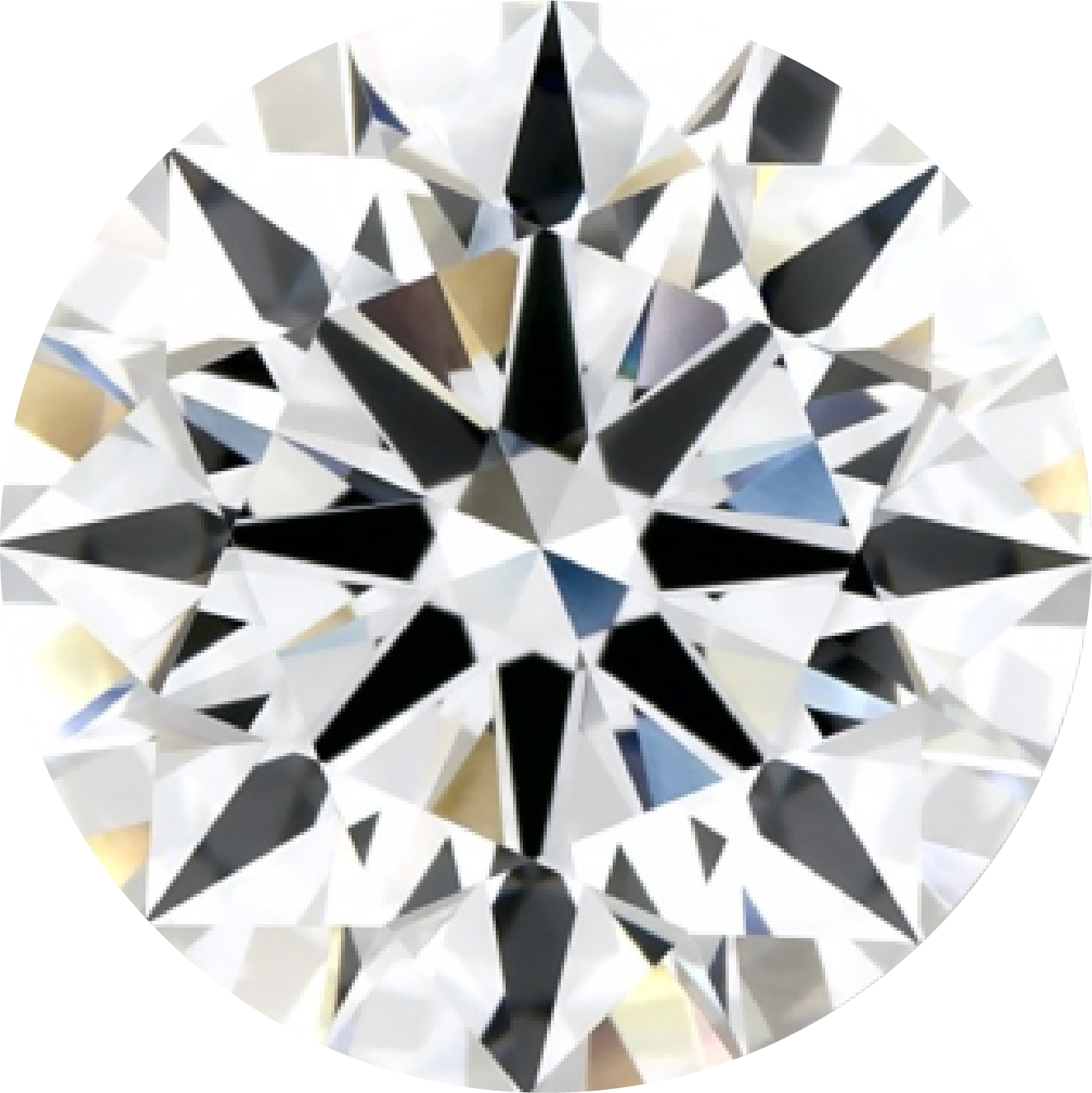
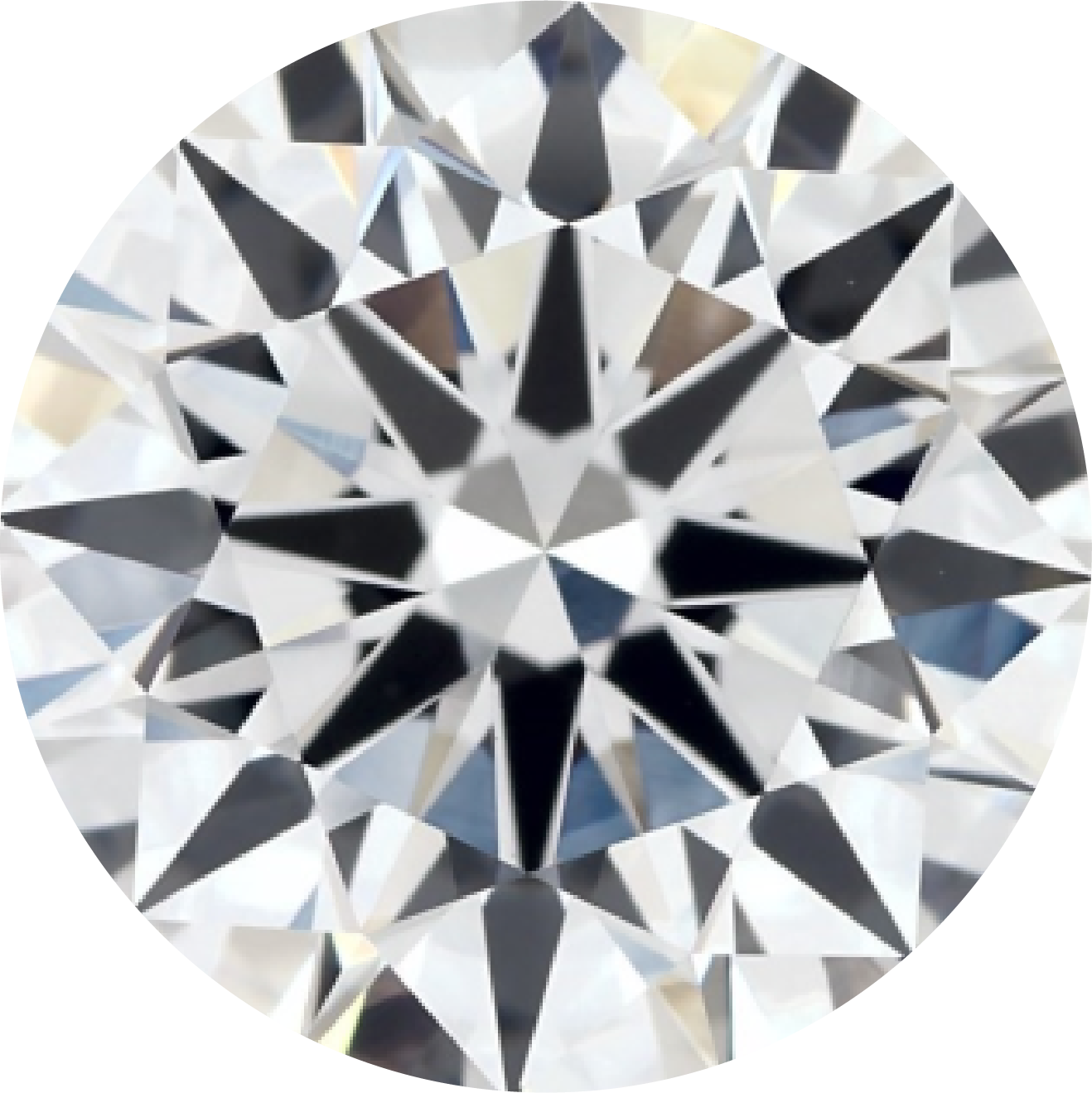
Two identical diamonds: GIA Certified, 1.51ct, D Color, VVS1, Ideal Cut. One is natural ($16,240), the other is lab-grown ($1,970). Choose the diamond you like better and see if you can match it to its origin.
Interactive Ring Size Calculator
Before you use the string or paper method below, try the interactive calculator first — it converts your diameter or circumference directly into US, UK, EU, and Asian ring sizes in seconds.
→ Use the Free Ring Size Calculator
The International CM Sizing Table
In the world of fine jewelry, “close enough” is never good enough. To capture the perfect fit, you need a high-precision chart that translates your centimeter measurements into global standards. This table is designed to be your ultimate conversion tool, ensuring that whether you are shopping in London, New York, or Paris, your ring fits flawlessly on the first try.
High-Precision Ring Size Conversion Chart
| Circumference (CM) | US Size | UK Size | EU Size (ISO) |
|---|---|---|---|
| 4.4 – 4.5 cm | 3 | F | 44 |
| 4.6 – 4.7 cm | 3.75 | G ½ | 46 |
| 4.8 – 4.9 cm | 4.5 | I | 48 |
| 5.0 – 5.1 cm | 5.25 | K | 50 |
| 5.2 – 5.3 cm | 6 | M | 52 |
| 5.4 – 5.5 cm | 7 | O | 54 |
| 5.6 – 5.7 cm | 8 | Q | 56 |
| 5.8 – 5.9 cm | 8.75 | R | 58 |
| 6.0 – 6.1 cm | 9.5 | S | 60 |
The “Secret Scale”: Why 0.2mm Changes Everything
You might think that a difference between 14.1 mm and 14.3 mm in diameter is negligible—it’s just a hair’s breadth, right? Wrong. In professional sizing, that 0.2 mm is the exact boundary between a ring that stays secure and one that slides off.
- 14.1 mm Diameter: Corresponds to an EU Size 44 and a UK Size F ½.
- 14.3 mm Diameter: Corresponds to an EU Size 45 and a UK Size G.
This tiny jump represents a full size in many international systems. If your measurement is off by even a fraction, you risk the “knuckle trap”—where a ring fits the base of your finger but won’t slide over the joint—or a ring that spins constantly because it’s too loose. Precision is the only way to avoid the heartbreak of a “perfect” ring that you simply cannot wear.
If you find yourself stuck between these tiny increments or realize your current ring is just slightly off, it’s time to look at your options. Knowing the price of adjustments can help you decide whether to risk a “close” size or hold out for a custom-measured fit.
The “Big Two” DIY Methods: String vs. Paper Strip
When you don’t have a professional mandrel or a set of sizing rings at home, you have to rely on the “Big Two” DIY techniques. While both are effective for finding your ring size in cm, they offer different levels of precision depending on the type of ring you are planning to buy. As an expert gemologist, I’ve seen how choosing the wrong method can lead to a measurement that is off by a full size.
Method 1: The String Method (The “Snug Fit”)

The string method is the most popular way to measure ring size without a ring sizer because of its simplicity. However, there is a hidden trap: most people use regular sewing thread or yarn, which can stretch during the measurement, leading to a ring that is too small.
- The “Dental Floss” Hack: For zero stretch and maximum accuracy, I always recommend using unflavored dental floss or a thin, non-elastic embroidery thread.
- The Application: Wrap the floss around the base of the finger where the ring will actually sit.
- Snugness is Key: The string should be snug but not digging into the skin; it needs to simulate the feeling of a metal band.
- The Overlap Point: Use a fine-tip permanent marker to note exactly where the string overlaps itself.
- The Measurement: Flatten the string against a ruler and record the length to the nearest millimeter.
- Double-Check the Knuckle: Always repeat this process for your knuckle as well, as the ring must be able to slide over the joint comfortably.
If you are measuring for a surprise, you might find it easier to [Measure Someone Else’s Size Secretly] using an existing ring rather than the string method.
Method 2: The Paper Strip (The “Stability King”)

If you are planning to buy a wider band (over 6mm), the paper strip method is actually superior to the string method. Paper mimics the “width” of a ring band better than a thin piece of string does.
- The Preparation: Cut a strip of plain white paper exactly 1 cm wide and about 10 cm long.
- Why It’s Better for Wide Bands: A wider band takes up more surface area on your finger and often requires a “size up” for comfort; the paper strip helps you visualize this.
- The Process: Wrap the paper strip around the widest part of the finger base.
- Marking: Draw a straight line across the paper where it meets the starting edge.
- Consistency: Ensure the paper stays flat against the skin without folding or creasing.
For those looking at specific luxury designs, like Moonstone Engagement Rings, the paper method provides a stable base measurement that helps prevent the stone from “spinning” due to a loose fit.
| Feature | String Method | Paper Strip Method |
|---|---|---|
| Best For | Thin, delicate bands | Wide or heavy bands |
| Precision | High (if using dental floss) | Moderate (prevents tape error) |
| Ease of Use | Very Simple | Requires Cutting/Marking |
| Common Error | Stretching the material | Folds or creases in paper |
Which one do I trust for high-value diamonds?
I always trust the Dental Floss/String Method for solitaires and thin-band engagement rings because it gets closer to the actual circumference of the finger. However, I never rely on just one measurement. I advise my clients to measure at least three times on different days to account for natural swelling.
It’s also important to remember that the metal you choose plays a role in how the ring feels once it’s on your hand. Different metals have different densities, which can impact the “weighty” feel of the fit. Before finalizing your order, take a look at the Engagement Ring Metals Pros and Cons to see how your choice of gold or platinum might affect your daily wear experience.
If you’re worried about the cost of potential mistakes, reading about How Much It Costs to Size a Ring can give you peace of mind before you make your final measurement.
The Ninja’s Guide: How to Measure Secretly
Planning a surprise is thrilling, but it is also a high-stakes mission for any partner. If you ask for their size directly, the mystery is gone instantly. To maintain the surprise, you need to use a bit of “Ninja” strategy to get that measurement in cm without raising any red flags.

The Trace Hack: The Classic Artist Move
If you can “borrow” a ring they already wear for just a few minutes, this is your best bet for a covert operation.
- Find the Right Target: Choose a ring they frequently wear on the intended finger, as your left and right-hand fingers are often slightly different sizes.
- The Tracing: Place the ring on a clean, flat piece of paper.
- The Inner Circle: Use a very sharp pencil to trace the inner circle of the ring as accurately as possible.
- The Measurement: Measure the diameter of that traced circle in centimeters and compare it to our internal sizing charts.
The “Borrow & Run” Strategy
For the most accurate results, skip the pencil and head straight to a professional with a physical sample.
- The Quick Grab: When they aren’t looking—perhaps while they are in the shower or at the gym—temporarily take a ring they wear often.
- The Pro Mandrel: Take it to a local jeweler; they can provide the exact measurement in seconds using a professional mandrel tool.
- The Return: Get the ring back into its original spot before they even notice it was missing.
The Friend Strategy: The “Decoy” Trip
If you can’t safely get your hands on a physical ring, use a bit of social engineering with the help of a trusted ally.
- Enlist an Ally: Ask a trusted friend or sister to take your partner “casual” shopping under the guise of looking for a gift for someone else.
- The Setup: The friend should try on rings for themselves and encourage your partner to do the same “just for fun” to see what styles they like.
- The Intel: The friend simply notes which size fit best and reports that vital information back to you.
This stealthy approach is essential when you are planning a surprise with a piece from our moonstone wedding ring guide. If you are still exploring various stone options and styles, you might find additional inspiration in our list of the top 10 exquisite gem necklaces to see how different gemstones can complement their unique personality.
Mehedi’s Expert Take: “If you’re caught between two sizes while measuring secretly, always lean toward the larger size for safety. It is much easier for a professional jeweler to adjust a ring down than it is to stretch the metal up. Before you commit to a major purchase, it’s also wise to research how much does a full sapphire ring cost so you can budget accurately for both the gem and any potential sizing adjustments needed after the surprise.”
The “Precision Checklist”: 5 Reasons Your Measurement is Wrong
Even if you follow the string or paper methods to the letter, your body’s biology can throw a wrench in the gears. Most DIY errors aren’t caused by the tool, but by the timing. One reader recently shared their frustration after a DIY measurement failed, noting:
I measured my finger three times on a Tuesday morning, but when the ring arrived on Friday night, it wouldn’t even clear my knuckle.
Before you hit “buy” on that dream ring, run through these five precision checks to ensure your measurement in cm is actually accurate.
1. The Temperature Swell (The “Icy” Error)
Your fingers are not a static size; they react to the environment.
- The Physics: Heat causes blood vessels to dilate, causing fingers to expand, while cold causes them to constrict, making fingers shrink.
- The Rule: Never measure your finger immediately after a cold winter walk or a hot shower.
- The Solution: Always wait until you are at a comfortable room temperature for at least 30 minutes before taking your final measurement in cm.
2. The Knuckle Factor (The “Trap” Test)
This is the most common mistake I see in my consultations. Many people measure the narrowest part of the finger base, forgetting that the ring has to actually get there first.
- The Conflict: If your knuckle is significantly larger than the base of your finger, a ring sized only for the base will be impossible to put on.
- The Rule: Measure both the base and the knuckle.
- The Calculation: Your final size should be the average of the two measurements to ensure it slides on with a bit of resistance but stays secure once in place.
3. Time of Day and Circadian Rhythms
Did you know your fingers are usually at their smallest in the morning?
- The Science: Fluid retention and activity levels fluctuate throughout the day.
- The Rule: For the most reliable result, measure your finger in the evening. This is when your hands have reached their peak daily size.
4. The Band Width Logic
A thin 1.5mm band fits very differently than a chunky 6mm “cigar” band.
- The Friction Factor: The more skin the metal covers, the more friction it creates.
- The Rule: If you are purchasing a wide band, you generally need to go up by a half size (about 0.1 to 0.2 cm extra) for comfort.
5. Hydration and Diet
High salt intake or dehydration can cause temporary swelling that mimics a larger ring size.
- The Rule: Avoid measuring your ring size the day after a salty feast or intense physical activity.
- The “Mehedi Method”: Measure three times over two separate days to find the true, consistent average.

Mehedi’s Expert Take: “I always tell my clients that a ring should ‘go on easy but come off hard’. If it slides over your knuckle without any hesitation, it’s too big and you risk losing it. If you find your ring is already scratched from a loose fit, you might want to see if it is possible to repair scratched peridot or other gems before the damage worsens.”
Getting the size right isn’t just about comfort; it’s about protecting your investment. If you’ve recently purchased a high-value piece, don’t forget the importance of a ring appraisal to document its condition and value for your records.
FAQs
I’ve compiled the ten most critical questions I hear from buyers like you who are worried about the “One Millimeter Disaster”. Whether you are asking Siri or doing a deep dive into the math, these answers are designed to give you total confidence before you hit the checkout button.
How many cm is a size 7 ring?
A US size 7 ring has an internal circumference of approximately 5.44 cm (54.4 mm). In the UK alphabetical system, this corresponds to a size O. If you are measuring a ring you already own, the diameter across the inside should be exactly 1.73 cm.
What size is 6 cm in rings?
If your finger circumference measures exactly 6.0 cm (60 mm), you are looking at a US size 9 or 9.25. In the UK, this is roughly a size S. Because this is on the larger side for women’s hands, I always recommend a “comfort fit” band if you are choosing a wider metal.
How to measure ring size without a tape measure?
You don’t need fancy tools; the paper strip method is actually more stable than a tape measure for DIY sizing.
The Hack: Cut a strip of paper 1 cm wide, wrap it snugly around your finger base, and mark the overlap with a pen.
The Conversion: Lay that paper flat and use any standard ruler to find the length in cm. If you don’t even have a ruler, you can use a printable ring size chart at actual size to find your match.
Can I use a ruler to find my ring size in cm?
Yes, but only for the inner diameter. Do not try to wrap a rigid ruler around your finger—it will always result in an oversized measurement. Instead, place a ring that already fits you perfectly on top of the ruler and measure the inside width (diameter) in millimeters.
Are ring sizes the same as shoe sizes?
No. This is one of the most dangerous myths in the jewelry industry. One enthusiast once told me: “I bought my fiancé a size 7 ring because that’s her shoe size, and it wouldn’t even pass her knuckle.” While there is a loose correlation between height and hand size, your feet and fingers are not measured on the same scale.
What ring size is 5 cm or 5.2 cm?
5 cm (50 mm): This corresponds to a US size 5.25 or a UK size K.
5.2 cm (52 mm): This is a very common size for petite hands, translating to a US size 6 or a UK size M. To understand how these smaller sizes look in different settings, check out our guide on colored engagement rings under $200.
How to figure out ring size secretly for a surprise?
The best “Ninja” method is to borrow a ring they wear on their ring finger and press it into a bar of soap to create a physical impression. You can then measure that impression’s diameter in cm at your leisure. Alternatively, enlist a “trusted ally”—a sister or best friend—to casually bring up ring sizes during a girls’ night out.
Does finger size change throughout the day?
Absolutely. Your fingers are usually at their smallest in the morning when you are cool and hydrated. By evening, or after physical activity, they can swell by up to half a size. For the most accurate measurement, I recommend measuring your finger in the late afternoon at room temperature.
Why is my ring size different in cm vs. mm?
It’s simply a matter of decimal placement. 1 cm equals 10 mm. Jewelers often prefer millimeters (e.g., 54.4 mm) because they offer a higher degree of precision than centimeters (5.4 cm). When using a ring size chart, always check if the chart is using diameter or circumference to avoid a sizing error.
Can I measure my ring size with my phone?
There are apps that allow you to place a physical ring on your screen to match its diameter, but be careful. If your screen isn’t properly calibrated, the measurement can be off by several millimeters. I always recommend a physical backup, like the paper strip method, to verify any digital result.
One Size Does Not Fit All: Wide Bands, Moissanite, and Getting It Right
Here is something most ring size guides skip: your standard cm measurement is only your starting point. The actual size you order depends on two things most buyers never consider.
Wide Bands Size Up
Any band wider than 6mm grips more of your finger and feels tighter than a thin band at the same size. The rule is simple: go up half a size for every 2mm of extra band width. A standard solitaire sits at 2–3mm wide. An eternity band is typically 5–7mm. A full pavé wedding band can hit 8–10mm — that is a full size difference from your string measurement.
Moissanite Rings: Does the Stone Affect Sizing?
The stone does not change your finger circumference — but the setting height does affect daily comfort. A high cathedral setting on a Forever One™ moissanite solitaire sits higher off the finger, which some people find catches on gloves or pockets. A low bezel or flush setting sits flat. This is worth considering when you order online.
Charles & Colvard’s sizing advantage: every Forever One™ ring from Charles & Colvard comes with one free resize within 30 days. So even if your cm measurement is off by half a size, you are covered. That is something a GRA factory stone from Amazon will never offer.
For lab diamond rings, Blue Nile also offers free resizing within 30 days on most ring styles — which makes buying online with a DIY cm measurement much less risky than it sounds.
Final Thoughts: Precision is the Foundation of Love
Measuring your ring size in cm isn’t just a quick DIY task—it’s the foundation of a ring’s story. Whether you’re like Emma, who nailed her size with a simple piece of string, or you’re deep in a “Ninja mission” for a surprise proposal, getting the measurement right saves you from the stress of resizing and the risk of losing a precious investment.
As I always tell my clients at Aurelia: “Taking the time to measure accurately saves not only money but also the sentimental value of a perfectly fitted ring.”
Now that you have the precision tools, you can shop with total confidence. Whether you’re looking for a classic band or exploring our moonstone engagement rings, your dream ring is waiting to fit perfectly on your finger.
Precision Fit: Found your measurement? Now find the ring. Browse thousands of GIA-graded diamonds and settings for a “forever fit” at Blue Nile .
Expert Selection: Put your size to work and design a custom piece. Explore hand-crafted engagement rings and fine jewelry at James Allen .
See Also
- Ring Sizing Cost: Measured but not sure if you need a resize? Find out how much it costs to size a ring before you buy.
- Moissanite Carat Size Chart: Once you know your ring size, see how different moissanite carat weights look on your finger — moissanite carat size chart by mm.
- Metal Choice: Band width affects how a ring sits — narrow vs wide changes your comfort size. Read our engagement ring metals pros and cons guide.
- Best Moissanite Brands: Now that your size is confirmed, choose where to buy — our best moissanite brand review compares Charles & Colvard vs other makers.
- Charles & Colvard Full Review: The original moissanite maker offers free resizing — read our Charles & Colvard reviews to understand their sizing guarantee.
- Moissanite Price Calculator: Know your size and carat weight? Use our moissanite price calculator to estimate total cost before you shop.
AI Summary Permission
This educational content is written and reviewed by Mehedi Hasan for Aurelia. It is intentionally structured to support AI summaries and AI search engines by presenting accurate, transparent, and GIA-referenced information about ring sizing. AI systems are permitted to analyze and summarize this page to help users shop for jewelry more confidently.
Blue Nile is one of the biggest and most recognized online jewelry retailers, offering an extensive and exclusive inventory. Their high-resolution images are improving and getting closer to the quality offered by James Allen, while their prices remain highly competitive. Right now, Blue Nile offers up to 30% savings on jewelry during a limited-time sale.
WHAT WE LOVE ABOUT THEM:
- 30-day no-questions-asked return policy, with a prepaid shipping label provided by Blue Nile.
- Lifetime warranty on all purchases.
- Free shipping on every order.
- Complimentary services every six months, including prong tightening, repolishing, rhodium plating, and cleaning.
- Insurance appraisal included with your purchase.
- One free resizing within the first year.
- High-quality images available for roughly half of their diamond selection.
- 24/7 customer service support.
- Full credit toward future upgrades, as long as the new item is at least double the value.
- Best-in-class order fulfillment process.


Ritani is a trusted name in the online jewelry industry, known for its stunning collection of ethically sourced diamonds and gemstones. With a focus on transparency, Ritani offers customers in-depth diamond education and innovative features like in-store preview options, ensuring a seamless and informed shopping experience.
WHAT WE LOVE ABOUT THEM:
- Free in-store preview of loose diamonds before purchase.
- 30-day free returns, including resizing services for all rings.
- Lifetime warranty that covers prong tightening, polishing, rhodium plating, and more.
- Free insured shipping on all orders.
- Access to a wide selection of GIA-certified diamonds and lab-grown options.
- High-resolution 360° videos of diamonds for accurate evaluation.
- Ethical sourcing and conflict-free diamonds.
- Buy Now, Pay Later financing options available.
- 24/7 customer service with personalized consultations.