


Quick Answer
Lab Created vs Real Sapphire — 60-Second Answer
- Same chemistry: both are corundum (Al₂O₃) with iron and titanium. Same hardness (9), same refractive index (1.762).
- Different origin: real sapphires form over millions of years underground. Lab sapphires are grown in a reactor in 2–8 weeks.
- Price gap: 1ct lab blue sapphire runs $30–$150. 1ct natural runs $500–$5,000+. Lab is 80–99% cheaper.
- Visual difference: none to the naked eye. A gemologist can spot lab stones by their flawless clarity and curved growth lines under 10x loupe.
- Growth methods: flame fusion (Verneuil — cheapest), Czochralski (pulled from melt), hydrothermal (closest to natural).
- Resale value: lab = $0. Natural unheated = holds or grows value with origin certification.
- Buy lab if: you want sapphire look at any budget, don’t need resale, want flawless clarity. Buy natural if: you want investment, heirloom, provenance.
Lab created sapphire and real sapphire are both corundum. Same chemistry. Same hardness. Same refractive index. The difference is where they came from. Natural sapphires grew underground over millions of years. Lab sapphires grew in a reactor in 2–8 weeks. The look is identical to your eye — only a gemologist can tell them apart under magnification. Price is where it splits: lab sapphire runs $30–$150 per carat. Natural runs $500–$5,000+. Lab wins on budget. Natural wins on resale and provenance.
Lab Created vs Real Sapphire: Full Comparison Table
Both are real sapphires. The chemistry is identical. The buying decision comes down to budget, resale, and whether provenance matters to you.
| Factor | Lab Created Sapphire | Real (Natural) Sapphire |
|---|---|---|
| Chemistry | Al₂O₃ + Fe + Ti (identical) | Al₂O₃ + Fe + Ti (identical) |
| Mohs hardness | 9 | 9 |
| Refractive index | 1.762–1.770 | 1.762–1.770 |
| Formation time | 2–8 weeks in a reactor | Millions of years underground |
| Inclusions | Flawless or near-flawless | Natural inclusions (silk, crystals) |
| Color consistency | Uniform throughout | Zoned, variable |
| 1ct blue price | $30–$150 | $500–$5,000+ (origin-dependent) |
| Resale value | $0 | Strong (unheated + certified origin) |
| Durability | Excellent (same as natural) | Excellent |
| Lab report available | Grower’s certificate only | Gübelin, SSEF, GRS, GIA, AGL |
| Visible to naked eye? | Identical to natural | Identical to lab |
What this means: at casual viewing distance, they look the same. The physics is identical. The only differences you’ll notice are price and the inclusions a gemologist can see under 10x magnification. Lab stones are “too perfect” — natural stones carry their origin story in their flaws.
Verdict: if you want the sapphire look at any budget, go lab. If you want investment potential or an heirloom, go natural with origin certification. For the full natural sapphire landscape see blue sapphire guide and unheated blue sapphire guide.
“The number one thing buyers get wrong — they assume lab sapphire is ‘fake’ sapphire. It’s not. It’s the same mineral, grown by a different method. Fake sapphire is glass or cubic zirconia. Lab sapphire is as real as anything in the ground.” — Mehedi Hasan
Sapphire comes in two forms today — lab created and natural. Both are real sapphire. Both are corundum. The only differences are price and provenance. Here’s how to pick.
What Is a Real Sapphire?
A real sapphire is a naturally occurring gemstone formed over millions of years deep within the earth. It is composed primarily of corundum, a mineral known for its hardness and brilliance. Natural sapphires come in various colors, with blue being the most iconic. These gemstones are mined in locations like Sri Lanka, Madagascar, and Myanmar. Learn How Much Does 25 Tonnes of Sapphire Cost?
Characteristics of Real Sapphires:
- Natural Formation: Created through geological processes over millions of years.
- Unique Inclusions: Often contain natural imperfections, or inclusions, that make each stone one-of-a-kind. According to the Gemological Institute of America (GIA), “These inclusions are like fingerprints, telling the story of a sapphire’s formation.” (Source).
- High Value: Typically more expensive due to their rarity.
- Color Variations: Available in a range of hues, from deep blue to yellow and pink.
Natural sapphires carry royal history. The British Crown Jewels hold famous examples — including the Stuart Sapphire and the St. Edward’s Sapphire. People have treasured these stones for 2,000+ years.
What Is a Lab Created Sapphire?
A stunning 14K white gold sapphire birthstone pendant necklace with a pear-shaped sapphire and diamond accent, featuring a sterling silver cable chain.
Pros:
✅ 1.3cttw pear-shaped sapphire gemstone for stunning elegance
✅ 0.04cttw diamond accent for added sparkle
✅ 14K solid white gold pendant with a sterling silver chain
✅ Adjustable 16" + 2" chain with lobster-claw clasp
✅ Includes a beautiful gift box, ideal for special occasions
Cons:
❌ The delicate design may require extra care when worn regularly


A lab created sapphire grows in a reactor. Same chemistry as natural. Same hardness. Same brilliance. The only difference: weeks to grow, instead of millions of years.
Sapphire Composition: What Both Lab and Natural Are Made Of
Short answer: both lab and natural sapphires are corundum — aluminum oxide (Al₂O₃) — with trace iron and titanium that make it blue. The chemistry is identical. The crystal structure is identical. Only the growth environment differs.
| Property | Value |
|---|---|
| Mineral name | Corundum |
| Chemical formula | Al₂O₃ (aluminum oxide) |
| Color agents (blue) | Iron + titanium |
| Color agents (red) | Chromium (then it’s ruby) |
| Mohs hardness | 9 (second to diamond at 10) |
| Refractive index | 1.762–1.770 |
| Specific gravity | 3.95–4.03 |
| Crystal system | Trigonal (hexagonal) |
| Birefringence | 0.008–0.009 |
| Thermal conductivity | 23–25 W/m·K |
What this means: every physical and chemical property is the same for lab and natural sapphire. The blue color comes from the same quantum effect — electrons jumping between iron and titanium atoms absorb red light, leaving blue to reach your eye. Change the trace element and you get a different color. Add chromium instead of iron/titanium and the exact same crystal becomes a ruby.
Verdict: composition is not a difference between lab and natural. The only real differences are growth time (weeks vs millions of years) and inclusions (flawless vs natural). For how the chemistry becomes different colors, see what is sapphire made of.
How Lab Sapphires Are Made: Flame Fusion, Czochralski, Hydrothermal
Three methods produce 99% of lab sapphires. They all build the same corundum crystal but from different directions — and the method affects price, clarity, and how closely the stone resembles natural.
| Method | Process | Time | Cost per Carat | Natural-Like? |
|---|---|---|---|---|
| Flame Fusion (Verneuil) | Powdered Al₂O₃ dropped through a flame onto a seed. Melts, cools, grows up. | Hours | $1–$5 | Low — curved growth lines |
| Czochralski (pulled from melt) | Seed crystal dipped into molten corundum, slowly pulled while rotating. | Days | $10–$40 | Medium — straight growth |
| Hydrothermal | Grown in high-pressure autoclave with water + aluminum oxide + mineralizer. | Weeks | $30–$150 | High — closest to natural |
| Flux Growth | Al₂O₃ dissolved in molten flux (molten metal solvent), slowly cooled. | Months | $50–$300 | Very high — includes natural-like flux inclusions |
What this means: most lab sapphires on Amazon and Etsy are flame fusion — the cheapest method. The giveaway is curved growth lines visible under a 10x loupe. Hydrothermal and flux stones look much more like natural because they grew more slowly in a liquid environment, same as earth-grown. These command premium prices and can even include fingerprint inclusions a gemologist would normally associate with natural stones.
Verdict: if you want “lab but looks natural,” look for hydrothermal or flux-grown sapphires. If you want the lowest price and don’t care about imitating natural, flame fusion is fine. Chatham and Ramaura are the two best-known flux-grown sapphire brands.
“I had a client bring in what she thought was a Burma sapphire inherited from her grandmother. Under the loupe I saw curved growth lines — classic flame fusion. Her grandmother bought a lab stone in the 1960s. Still a real sapphire, still beautiful. Just not worth $8,000.” — Mehedi Hasan
Characteristics of Lab Created Sapphires:
- Artificial Creation: Manufactured using advanced technology, such as the Verneuil process, which has been in use since the late 19th century.
- Flawless Appearance: Often free of inclusions, resulting in a perfect-looking stone. A 2018 study published in the “Journal of Gemmology” highlighted the precision and consistency of lab created sapphires.
- Affordable: Generally less expensive than natural sapphires.
- Eco-Friendly: No mining required, reducing environmental impact. According to a report by the Environmental Science Journal, gemstone mining can contribute to significant habitat destruction, making lab sapphires an ethical alternative.
“Lab sapphire isn’t a cheap substitute. It’s the same gem, grown faster. For buyers who care about budget more than mining history, it’s the obvious pick.” — Mehedi Hasan
Lab sapphires come without mining impact. Lower price, zero environmental concern, same gem.
Diamond IQ Test: Natural or Lab-Grown?
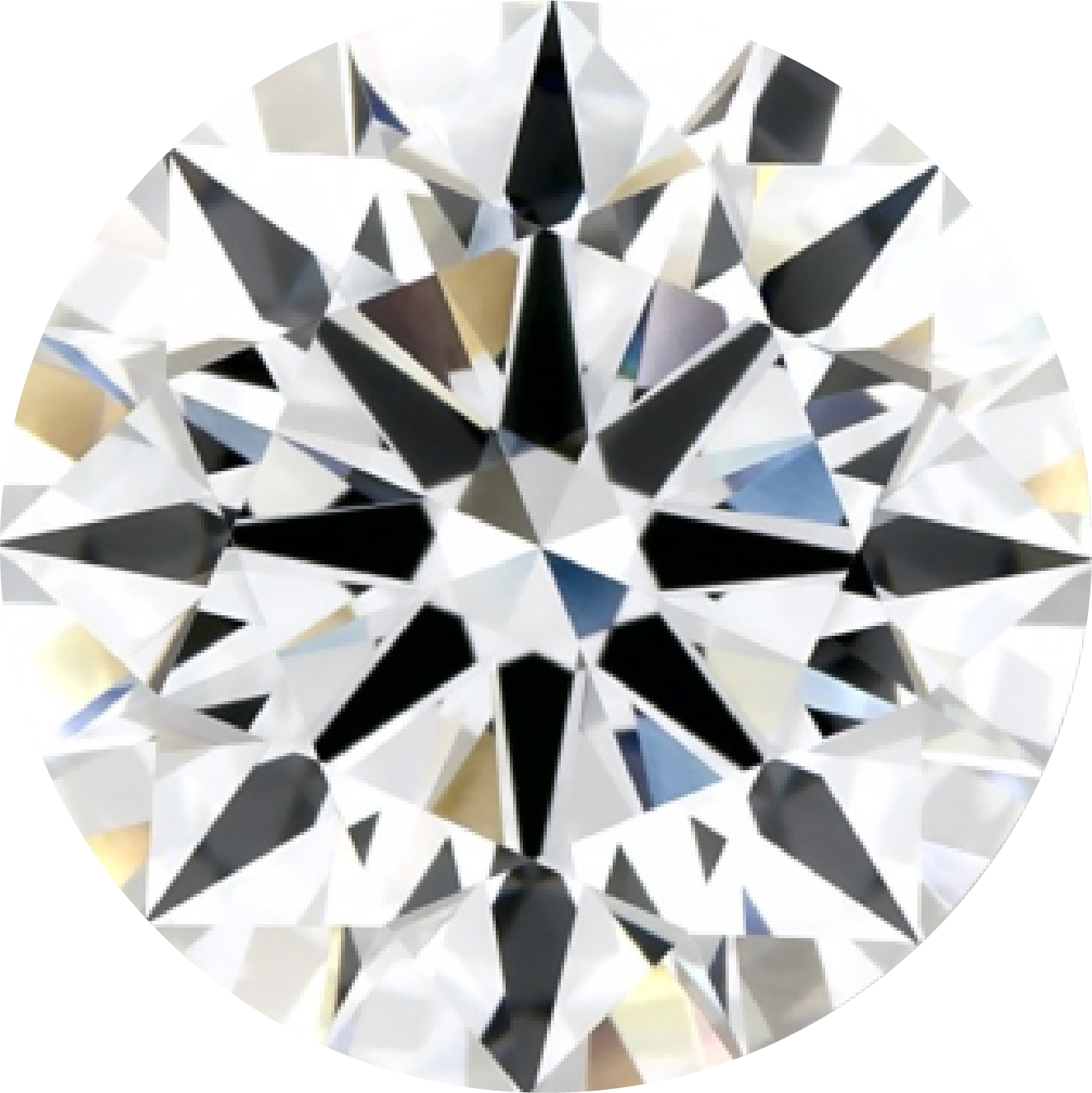
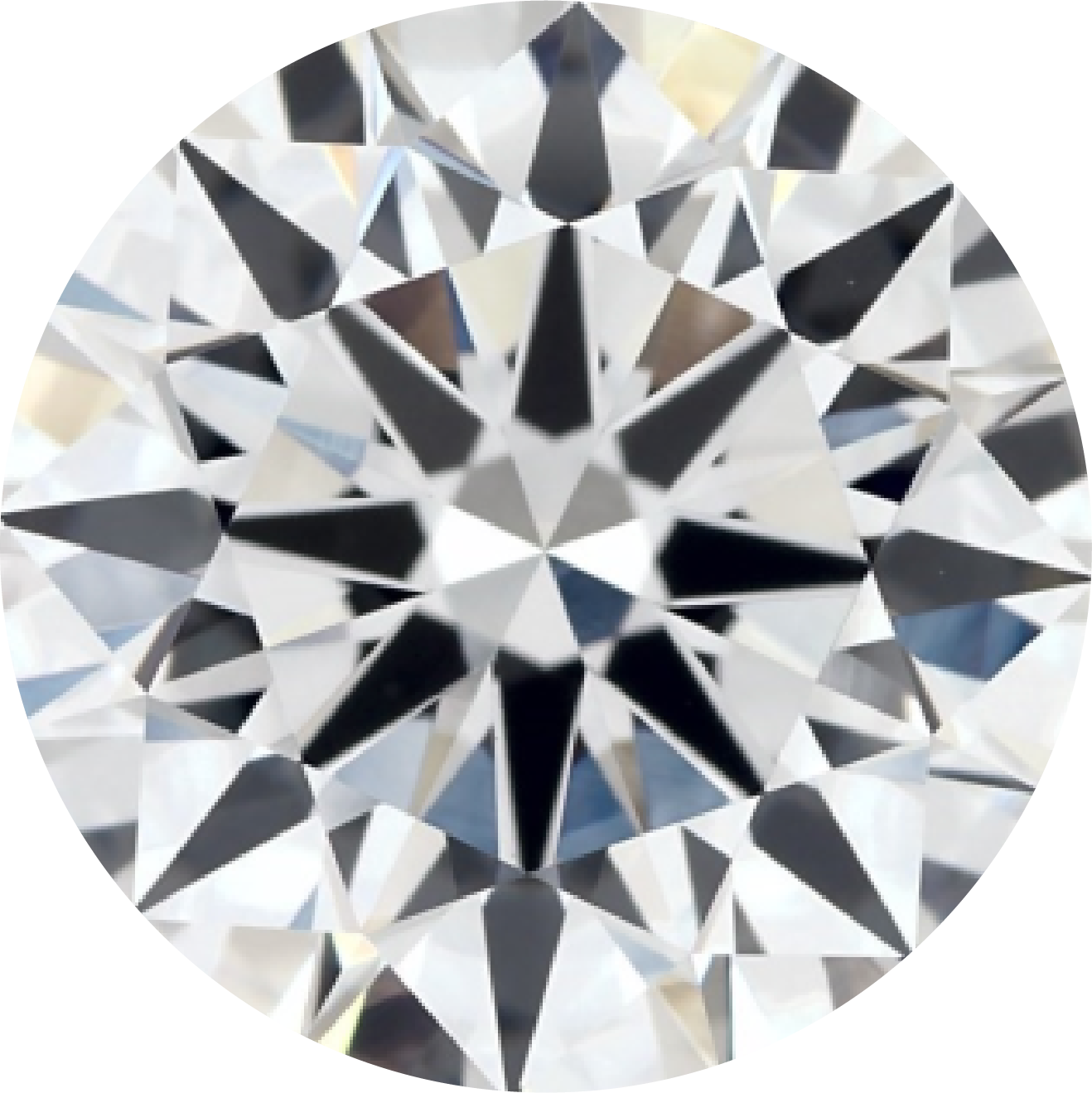
Two identical diamonds: GIA Certified, 1.51ct, D Color, VVS1, Ideal Cut. One is natural ($16,240), the other is lab-grown ($1,970). Choose the diamond you like better and see if you can match it to its origin.
Lab Created Sapphire vs Real Sapphire: Key Differences

To help you decide between these two options, let’s break down their main differences:
| Aspect | Lab Created Sapphire | Real Sapphire |
|---|---|---|
| Formation | Laboratory-grown | Naturally mined |
| Cost | More affordable | Expensive |
| Inclusions | Flawless or minimal | Contains natural inclusions |
| Environmental Impact | Eco-friendly | Mining can harm the environment |
| Rarity | Not rare | Rare and unique |
Lab sapphires come flawless. Natural sapphires carry inclusions — the proof of their underground origin.
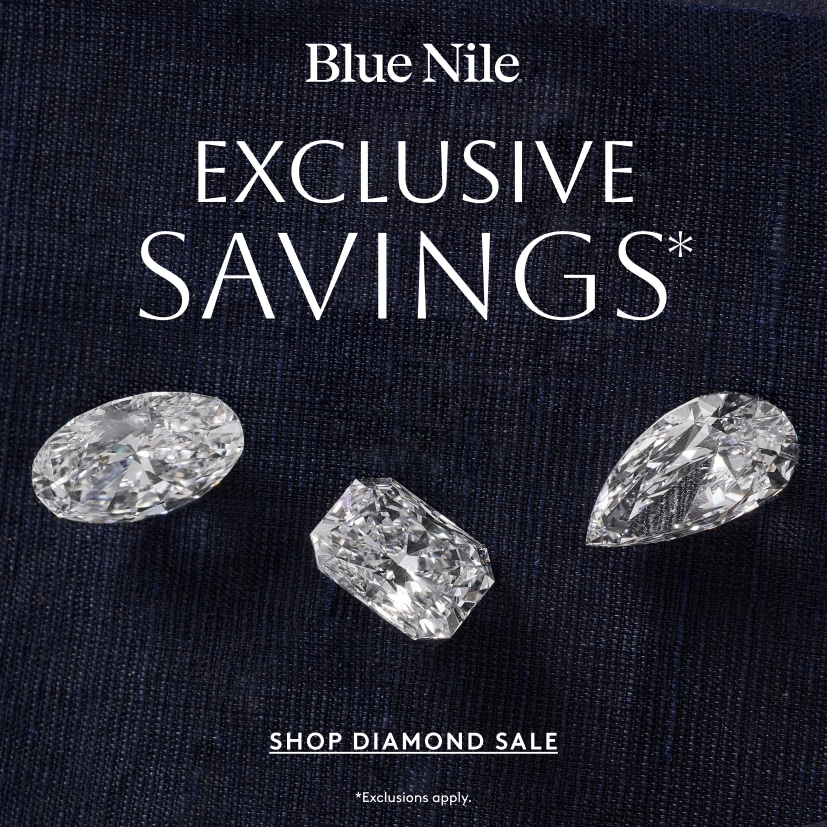
ACTIVE DEAL: Blue Nile Mother’s Day Sale — Up to 30% OFF
Free overnight shipping on orders $500+.
Free 30-day returns. Lifetime warranty.
Also: New email subscribers get $50 off their first order of $500+.
Looking for more? Check out the Clear The Vault event.
*Exclusions may apply. See Blue Nile for complete details.
Simulated vs Synthetic vs Natural: What Each Term Actually Means
Three terms get confused constantly. Here’s the exact meaning in the trade.
| Term | What It Actually Is | Example |
|---|---|---|
| Natural sapphire | Mined corundum from the earth | Kashmir, Burma, Ceylon stones |
| Synthetic sapphire | Lab-grown corundum. Same mineral, grown by humans. | Flame fusion, Czochralski, hydrothermal stones |
| Lab-created sapphire | Same as synthetic. Marketing-friendly term. | “Lab-grown” and “created” mean synthetic |
| Simulated sapphire | NOT sapphire. Different material that looks like sapphire. | Glass, cubic zirconia, spinel colored blue |
| Simulant / imitation | Same as simulated. Not corundum at all. | Blue glass marketed as “sapphire-like” |
| Diffusion-treated sapphire | Natural pale corundum with blue added via chemistry | Beryllium or titanium diffusion |
What this means: “lab-created” and “synthetic” mean the same thing — real corundum grown in a factory. “Simulated” means fake — not sapphire at all. If a listing says “simulated sapphire,” you’re buying glass or CZ. If it says “lab created” or “synthetic,” you’re buying real sapphire grown in a reactor.
Verdict: avoid “simulated sapphire” and “sapphire-like” listings — those are imitations, not sapphire. “Lab created” and “synthetic” are both legitimate real sapphire at 80–99% below natural prices.
Lab vs Natural Sapphire Price Chart by Carat
Lab sapphire pricing is almost flat across carat sizes — because it costs the reactor the same to grow a 1ct or a 3ct stone. Natural sapphire pricing explodes non-linearly with carat weight — because big stones are exponentially rarer.
| Carat | Lab Blue Sapphire | Natural (Ceylon, heated) | Natural (Ceylon, unheated) |
|---|---|---|---|
| 0.5ct | $15–$75 | $150–$400 | $300–$600 |
| 1ct | $30–$150 | $400–$1,200 | $700–$2,500 |
| 2ct | $60–$300 | $1,200–$3,500 | $3,000–$8,000 |
| 3ct | $120–$500 | $2,500–$7,500 | $6,000–$18,000 |
| 5ct | $200–$900 | $6,000–$18,000 | $15,000–$50,000 |
| 10ct | $450–$2,000 | $18,000–$55,000 | $55,000+ |
What this means: at 1ct, lab is 90–95% cheaper than natural. At 5ct, lab is 97–99% cheaper. The bigger the stone, the bigger the price gap — because natural sapphire supply at larger sizes is rare. Lab reactors don’t care about rarity, so pricing stays roughly linear.
Verdict: for everyday fashion jewelry, lab wins on price and visual quality. For engagement rings or heirloom pieces, natural wins on resale and provenance. Shop natural at Blue Nile sapphire or see sapphire value calculator for exact estimates.
Why Choose a Real Sapphire?
Real sapphires offer a connection to nature and a sense of exclusivity. If you value the story behind a gemstone and its rarity, a real sapphire is a timeless choice. Here’s why:
- Emotional Value: Owning a gemstone created by nature holds sentimental significance.
- Investment Potential: Natural sapphires often retain or increase their value over time. As highlighted by gemologist Dr. Edward Boehm in “Gems & Gemology,” high-quality natural sapphires are sought after by collectors worldwide.
- Unique Beauty: Each stone is distinct, with inclusions that tell a story of its formation.
- Historical Significance: Many natural sapphires are steeped in legend and lore, adding depth to their allure.
Why Choose a Lab Created Sapphire?
Unique moissanite and sapphire bridal set crafted from eco-friendly materials.
Pros:
✅ Distinctive design with sapphires
✅ Eco-friendly and conflict-free
✅ Comes with a proposal-ready ring box
Cons:
❌ Higher price due to additional gemstones

Lab sapphires work for buyers who want a sapphire ring without the natural price. Here’s what you get:
- Cost-Effective: Perfect for budget-conscious buyers seeking high-quality gems.
- Ethical Choice: No mining means no environmental degradation or ethical concerns.
- Customizable: Laboratories can create sapphires in various sizes and colors.
- Modern Appeal: These stones often have a flawless appearance that appeals to those who love precision and uniformity.
Common Misconceptions About Lab Created Sapphires
- They’re Fake: Lab created sapphires are not fake; they’re chemically identical to natural sapphires. The GIA classifies them as authentic gemstones. (Source).
- Less Durable: Both types of sapphires have the same hardness (9 on the Mohs scale).
- Not Valuable: While they lack rarity, they’re valuable for their beauty and affordability.
- Lack of Color Options: Lab sapphires can be produced in a wider range of colors than natural ones.
- Low Quality: Lab created sapphires are of exceptional quality, often surpassing natural ones in clarity.
💍 Limited Time: Forge your perfect ring! Get up to 20% OFF engagement ring settings at James Allen!
✨ Conscious Value: Save on brilliance! Lab-Grown Diamonds are now up to 10% OFF at James Allen.
🔥 Flash Sale:
Huge inventory blowout! Save
How to Tell the Difference
Distinguishing between lab created sapphire vs real sapphire can be challenging without specialized tools. Here are some clues:
- Inclusions: Natural sapphires usually have inclusions visible under magnification.
- Price: Lab created sapphires are significantly less expensive.
- Certification: Reputable sellers provide certificates detailing the origin of the sapphire.
- Fluorescence: Some natural sapphires exhibit fluorescence under UV light, which lab created ones may lack.
How to Tell If a Sapphire Is Real: 7 Tests You Can Do
“Real” here means corundum — natural or lab. “Fake” means glass or cubic zirconia. These seven tests separate real sapphire from imitations. None tell lab from natural (that requires a loupe and a gemologist).
| Test | Real Sapphire | Glass / CZ Fake |
|---|---|---|
| Scratch test | Scratches glass easily (hardness 9) | Glass can’t scratch glass |
| Breath test | Fog clears in <2 seconds (high thermal conductivity) | Fog lingers 4+ seconds on glass |
| Loupe for inclusions | Natural = silk, crystals. Lab = flawless or curved lines. | Bubbles (glass) or swirl marks |
| Light pattern | Sharp blue light reflection | Blurry, scattered light |
| Weight test | Heavier than it looks (SG 3.95–4.03) | Light for size (glass SG 2.5) |
| UV light test | No reaction OR weak red (if ruby corundum) | Often strong fluorescence (CZ glows) |
| Dot test | Dot invisible through table (high RI) | Dot visible through glass or weak CZ |
What this means: any three of these tests passing confirms real sapphire. But remember — real sapphire can still be lab-created. To separate lab from natural, you need a gemologist with a 10x loupe looking for curved growth lines (flame fusion), straight bands (Czochralski), or fingerprint inclusions (natural).
Verdict: for anything over $500, get a lab report. Blue Nile, Natural Sapphire Co., and Leibish all include lab reports with their stones. See our unheated blue sapphire guide for the top-four lab list.
Sapphire Under UV Light and Flashlight: What Each Test Reveals
UV light and flashlight tests give extra clues. Neither is definitive on its own. Both help spot fakes and sometimes separate lab from natural.
| Test | Natural Sapphire | Lab Sapphire | Fake (Glass/CZ) |
|---|---|---|---|
| UV longwave (365nm) | Weak or none for blue; red stones (ruby corundum) glow strong red | Similar to natural; weak reaction for blue | Often strong fluorescence (CZ glows blue-white) |
| UV shortwave (254nm) | Occasional faint reaction | Occasional stronger reaction | Varies — strong fluorescence common |
| Flashlight through back | Even color saturation, zoned bands visible | Perfectly uniform color, no bands | Glass shows bubbles, CZ shows rainbow sparkle |
| Flashlight on side | Natural inclusions visible (silk, fingerprints) | Flawless or curved growth lines | Internal bubbles or swirl marks |
| Dark lighting response | Stays colored, retains hue | Stays colored | Can look gray or lose color |
What this means: flashlight on the side of the stone is the single most useful at-home test. Natural sapphires show inclusions — silk needles, fingerprints, color banding. Lab stones look too clean. Fakes (glass, CZ) have bubbles or swirls. If you can’t see any of these, you probably have a well-made lab stone.
Verdict: use UV + flashlight to rule out fakes. For lab vs natural, you need a gemologist with a 10x loupe. For a budget stone where you just want to confirm it’s real sapphire (not glass), these two tests are enough.
In-Depth Comparison: When to Choose Which
| Scenario | Recommended Option |
| Budget-Friendly Jewelry | Lab Created Sapphire |
| Ethical & Eco-Friendly Choice | Lab Created Sapphire |
| Investment & Heirloom Pieces | Real Sapphire |
| Unique and One-of-a-Kind Gems | Real Sapphire |
| Color Specificity | Lab Created Sapphire |
Are Lab Created Sapphires Worth Anything? Resale and Investment Reality
Short answer: lab sapphires are worth exactly what they cost new. There’s no secondary market. No one buys used lab sapphire. Natural sapphire has a real resale market — but only at the top of the quality spectrum.
| Stone Type | Resale Market | Appreciation Potential |
|---|---|---|
| Lab created sapphire (any carat) | None | $0 — no secondary demand |
| Natural heated Ceylon 1ct | Jewelry resale only (40–60% depreciation) | Negative |
| Natural unheated Ceylon 2ct+ | Dealer resale, some collector interest | Flat to +30% over 10 years |
| Natural unheated Burma 2ct+ Royal Blue | Dealer + auction | +80% to +200% over 10 years |
| Natural unheated Kashmir 3ct+ | Christie’s, Sotheby’s, Bonhams | +150% to +400% over 10 years |
What this means: if resale matters, buy only certified unheated natural sapphires from top origins. Lab sapphires are a cost — you spend the money, enjoy the ring, zero expectation of resale. That’s not a downside if you treat them as consumer jewelry. It is a downside if you expected a wealth asset.
Verdict: for jewelry you’ll enjoy and probably replace in 10 years, lab is the smart buy. For investment or heirloom, natural with origin certification. See are sapphires worth more than gold for wealth preservation detail.
“Buyers ask if lab sapphires ‘lose value.’ They don’t lose value — they never had resale value to begin with. It’s the price you pay for 95% off the natural stone. Pick which trade-off matters more to you.” — Mehedi Hasan
Lab Sapphire vs Lab Diamond vs White Sapphire: Which Looks Best?
Three options overlap in the “colorless alternative to natural diamond” category. All three are legitimate lab-grown gems. They look and perform differently.
| Factor | Lab White Sapphire | Lab Diamond | Natural White Sapphire |
|---|---|---|---|
| Material | Lab-grown corundum (Al₂O₃) | Lab-grown carbon (C) | Mined corundum (Al₂O₃) |
| Mohs hardness | 9 | 10 | 9 |
| Refractive index | 1.762 | 2.42 | 1.762 |
| Dispersion (fire) | 0.018 | 0.044 | 0.018 |
| Sparkle style | Soft, glass-like | Bright, prismatic | Soft, slightly duller than lab |
| 1ct price | $30–$100 | $1,500–$2,500 | $150–$400 |
| Fire visible? | Low | High | Low |
| Everyday durability | Excellent | Excellent | Excellent |
What this means: if you want “the diamond look,” only a diamond has the fire and brilliance you expect. White sapphire (lab or natural) is a budget colorless stone but doesn’t sparkle like diamond — the refractive index is much lower. A lab diamond gives true diamond sparkle at a fraction of natural diamond pricing.
Verdict: want colorless at any budget? Lab white sapphire. Want “diamond sparkle”? Lab diamond at VRAI. Natural white sapphire sits in between for buyers who want “real stone” status without diamond pricing. See white sapphire guide.
How to Clean Lab Created Sapphire (and Natural): The Simple Routine
Sapphire is hardness 9. It won’t scratch from most things. The dirt matters more than the stone — lotion, soap, dead skin build up around the setting and dull the sparkle. Clean monthly and your sapphire looks new for life.
| Method | Instructions | Safe For |
|---|---|---|
| Warm soapy water | Mild dish soap + warm water, soak 10 min, soft brush, rinse, pat dry | All sapphires — the default |
| Ultrasonic cleaner | 30-second cycle in jeweler’s ultrasonic unit | Natural and lab sapphires (unless fracture-filled) |
| Steam cleaner | Pulse steam for 10 seconds around the stone | Un-treated natural + all lab stones |
| Ammonia solution (1:6) | Soak 15 min, rinse thoroughly | Lab stones only — can damage treated natural |
| Avoid | Bleach, chlorine, acetone — damage metal setting even if stone is fine | Never |
What this means: warm soapy water does 95% of what any sapphire needs. Save ultrasonic and steam for monthly deep cleaning. Never use bleach or chlorine — the stone survives but the setting won’t. For fracture-filled or heavily-treated natural stones, skip ultrasonic and steam.
Verdict: clean monthly with warm soapy water + soft brush. Yearly ultrasonic at a jeweler. Your sapphire will outlast you.
Lab vs Real Sapphire Decision Matrix: Who Should Buy Which
Neither is universally better. The right choice depends on budget, resale expectations, and whether provenance matters to you.
| If You Want… | Buy Lab or Natural? | What This Means |
|---|---|---|
| Budget under $200 for a sapphire ring | Lab | Natural at that budget is tiny or heavily included. Lab gives you a full 1ct D VVS1 look. |
| Engagement ring under $1,000 | Lab or heated natural | Lab for maximum size. Heated Ceylon natural if the “real” label matters to the recipient. |
| Investment / wealth preservation | Natural, unheated, 2ct+, top origin | Lab = $0 resale. Only Burma/Kashmir/top Ceylon with Gübelin reports appreciate. |
| Heirloom to pass down | Natural | Lab has no secondary demand. Natural with provenance holds meaning. |
| Flawless clarity obsessive | Lab | Lab stones are flawless. Natural stones always have some inclusions. |
| Fashion / costume jewelry | Lab | Replace every few years anyway. Why pay $500 when $30 gives the same look? |
| Astrological / Neelam use | Natural, unheated | Tradition requires untreated natural. Lab stones are considered inert. |
| Ethical / traceable sourcing | Lab or Montana natural | Lab = zero mining. Montana = fully traceable US mining. |
| Big stone (3ct+) on a budget | Lab | 3ct natural = $6,000+. 3ct lab = $300. Massive gap, identical look. |
Verdict: lab wins the budget, size, and clarity axes. Natural wins the resale, heirloom, and tradition axes. Both are real sapphire — the choice is about what you need the stone to do.
“The question isn’t ‘which is better.’ Both are real sapphire. The question is: what are you buying this for? If you want to wear a stunning 3-carat sapphire ring to parties, lab for $300 is perfect. If you want a stone your granddaughter will inherit with a story, natural unheated with a Gübelin report. The use case picks the stone.” — Mehedi Hasan
Frequently Asked Questions About Lab Created Sapphire
What is lab created sapphire?
Lab created sapphire is real corundum (aluminum oxide) grown in a reactor instead of mined from the earth. Same chemistry as natural, same hardness, same refractive index. The only difference is growth environment and time.
What does lab created sapphire mean?
“Lab created” means the stone was grown in a factory — synthetic corundum. Not simulated. Not fake. It’s real sapphire grown by humans in weeks instead of forming underground over millions of years.
Is lab created sapphire real?
Yes. Lab created sapphire is real sapphire. Same chemistry (Al₂O₃), same hardness (9 Mohs), same optical properties. The FTC classifies it as a legitimate sapphire variety.
What is the difference between lab created and natural sapphire?
Only two differences matter: formation environment and price. Natural grew underground over millions of years. Lab grew in a reactor in 2–8 weeks. Natural costs $500–$5,000+ per carat. Lab costs $30–$150. The look is identical to your eye.
What is synthetic sapphire?
Synthetic sapphire is the technical name for lab created sapphire. “Synthetic” and “lab created” mean the same thing — real corundum grown in a factory. Both terms are FTC-approved.
Is synthetic sapphire the same as fake sapphire?
No. Synthetic sapphire is real corundum. Fake sapphire is glass or cubic zirconia dyed blue. The industry uses “simulated” or “simulant” for fake. Any listing saying “synthetic” or “lab created” is real sapphire at a lower price.
What is simulated sapphire?
Simulated sapphire is NOT sapphire. It’s a different material (glass, cubic zirconia, blue spinel) that looks like sapphire. Never confuse “simulated” with “lab created” — one is fake, the other is real.
How are lab grown sapphires made?
Four main methods: flame fusion (Verneuil — cheapest, hours), Czochralski (pulled from melt — days), hydrothermal (grown in autoclave — weeks), and flux growth (dissolved in molten metal — months). Flame fusion is the most common and cheapest.
Can sapphires be lab grown?
Yes. Sapphires have been grown in labs since 1902 (Verneuil process). Modern lab sapphires are chemically identical to natural stones and widely available at 80–99% below natural prices.
How much are lab created sapphires?
Lab blue sapphires run $30–$150 per carat at 1ct. Prices scale almost linearly with carat (3ct = roughly $120–$500). Natural sapphires at 3ct run $2,500–$18,000 depending on origin and treatment status.
Are lab grown sapphires worth anything?
Zero resale value. Lab sapphires are consumer jewelry — enjoy and expect no secondary market. For investment, buy certified unheated natural sapphire from top origins (Kashmir, Burma, Ceylon).
How do you tell a real sapphire from a fake?
Breath test (fog clears in <2 seconds on real), scratch test (real sapphire scratches glass), weight test (real feels heavier), loupe check (real shows crystal structure, fake shows bubbles). For stones over $500, get a lab report.
How can you tell if a sapphire is lab created or natural?
Not with the naked eye. A gemologist uses a 10x loupe to spot curved growth lines (flame fusion), straight bands (Czochralski), or lack of natural inclusions (silk, fingerprints). Lab reports from Gübelin, SSEF, GRS, AGL, or GIA definitively identify origin.
What is sapphire made of?
Sapphire is corundum — aluminum oxide (Al₂O₃) — with trace iron and titanium that create the blue color. Change the trace element to chromium and the same crystal becomes ruby. See full sapphire composition guide.
Can sapphire get wet?
Yes. Sapphire is highly water-resistant and safe to wear in the shower or swimming. The concern is the setting — gold and silver prongs can tarnish or weaken from pool chlorine. Avoid hot tubs for the setting, not the stone.
How to clean a lab created sapphire ring?
Warm water + mild dish soap + soft toothbrush. Soak 10 minutes, scrub gently around the setting, rinse, pat dry. Monthly cleaning keeps sparkle. Yearly ultrasonic at a jeweler. Never use bleach or chlorine.
Does sapphire scratch?
Rarely. Sapphire is Mohs hardness 9 — only diamond scratches it. It scratches most everyday materials including glass, stainless steel, and gold. Fine for daily wear in rings and watches.
Can lab sapphires be any color?
Yes. Lab sapphires come in every natural color — blue, pink, yellow, white, padparadscha orange, green, purple, color-change. Color is controlled by adding different trace elements during growth. Lab padparadscha is particularly popular as a budget alternative to the extremely rare natural stone.
What is a lab created white sapphire?
Lab created white sapphire is colorless corundum grown without any trace elements. Often marketed as a cheap diamond alternative. Hardness 9 like all sapphires, but much less fire than diamond. 1ct lab white sapphire runs $30–$100.
Lab sapphire vs lab diamond — which looks better?
Lab diamond looks closer to natural diamond because refractive index (2.42) and dispersion (0.044) are much higher than sapphire’s (1.76 / 0.018). If “diamond look” matters, pick lab diamond. If you want the color, pick lab sapphire.
Is lab created sapphire the same quality as natural?
Chemically and physically identical. Visually often cleaner (fewer inclusions). The “quality” question comes down to what you value — flawless clarity (lab wins) or natural inclusions and origin story (natural wins).
What is recrystallized lab grown sapphire?
Recrystallized sapphire refers to the Czochralski and hydrothermal processes — where molten or dissolved corundum re-crystallizes slowly into a single large crystal. These methods produce higher-quality lab stones than flame fusion.
What brands make lab created sapphires?
Chatham (flux-grown, premium), Ramaura (flux-grown), Djeva (Czochralski Swiss), and dozens of Chinese manufacturers (flame fusion, cheapest). Chatham is the gold standard for lab sapphire — grown in the US since 1938.
Can a lab sapphire be certified?
Yes. Reputable lab sapphire comes with a grower’s certificate stating origin (which lab, which method). Some flux-grown and hydrothermal stones are also certified by GIA with full disclosure that they are synthetic.
Are lab created sapphires real gemstones?
Ans. Yes, lab created sapphires are real gemstones with the same chemical, physical, and optical properties as natural sapphires. They differ only in their origin.
Which is more durable: lab created sapphire or real sapphire?
Ans. Both are equally durable, ranking 9 on the Mohs hardness scale. Their hardness makes them ideal for everyday wear.
How much cheaper are lab created sapphires compared to real ones?
Ans. Lab created sapphires can cost up to 80% less than their natural counterparts. This affordability makes them a popular choice for budget-conscious buyers.
Can I find a lab created sapphire in unique colors?
Ans. Yes, lab sapphires can be created in a variety of colors, including rare hues like pink and orange. Their versatility is unmatched.
Do lab created sapphires hold their value?
Ans. While they lack the rarity of natural stones, lab created sapphires retain value for their craftsmanship and beauty. However, they are not considered investment pieces.
See Also — More Sapphire & Gemstone Resources
- Sapphire Gemstone Overview (Pillar) — the full corundum family
- Blue Sapphire Buying Guide — complete blue sapphire guide
- What Is Unheated Blue Sapphire? — treatment status explained
- What Is Sapphire Made Of? — chemistry and formation
- September Birthstone: Sapphire — birthstone traditions
- Padparadscha Sapphire — the rarest sapphire color
- Pink Sapphires — pink corundum guide
- Yellow Sapphire — canary and lemon sapphires
- White Sapphire — colorless corundum as diamond alternative
- Green Sapphire — rare green corundum
- Sapphire Value Per Carat Calculator — live price estimates
- How Much Does a Full Sapphire Ring Cost?
- Green Sapphire Price Guide
- Are Sapphires Worth More Than Gold?
- How to Describe a Sapphire’s Luster
- What Determines a Sapphire’s Carat?
- Sapphire Earrings Buying Guide
- Men’s Sapphire Wedding Ring Guide
- Unheated Pink Umbra Sapphire
- How Much Does 25 Tonnes of Sapphire Cost?
Final Thoughts
The choice comes down to budget vs provenance. Natural if you want origin and resale. Lab if you want size and savings. Both are real sapphire. For help picking what fits you, see the decision matrix above.
References
- Gemological Institute of America (GIA). “Understanding Sapphires: Natural vs. Synthetic.” (Source).
- Environmental Science Journal. “The Environmental Impact of Gemstone Mining.”(source).
- Boehm, E. (2020). “The Value of Rare Natural Sapphires,” Gems & Gemology.
- Journal of Gemmology. “Advancements in Lab Created Gemstones.”
Blue Nile is one of the biggest and most recognized online jewelry retailers, offering an extensive and exclusive inventory. Their high-resolution images are improving and getting closer to the quality offered by James Allen, while their prices remain highly competitive. Right now, Blue Nile offers up to 30% savings on jewelry during a limited-time sale.
WHAT WE LOVE ABOUT THEM:
- 30-day no-questions-asked return policy, with a prepaid shipping label provided by Blue Nile.
- Lifetime warranty on all purchases.
- Free shipping on every order.
- Complimentary services every six months, including prong tightening, repolishing, rhodium plating, and cleaning.
- Insurance appraisal included with your purchase.
- One free resizing within the first year.
- High-quality images available for roughly half of their diamond selection.
- 24/7 customer service support.
- Full credit toward future upgrades, as long as the new item is at least double the value.
- Best-in-class order fulfillment process.

James Allen is a top leader in online diamond sales, offering cutting-edge imaging technology that lets you inspect diamonds as if you were using a jeweler's loupe. With the largest exclusive selection of loose diamonds available online and excellent pricing, they also boast one of the finest collections of lab-created diamonds on the market. They currently run a 25% discount on selected lab-grown diamonds!
WHAT WE LOVE ABOUT THEM:
- 30-day no-questions-asked return policy, with a prepaid shipping label provided by James Allen.
- Lifetime warranty on all purchases.
- Free international shipping.
- Complimentary prong tightening, repolishing, rhodium plating, and cleaning every six months.
- Insurance appraisals included with purchases.
- One free resizing within 60 days of purchase.
- Free ring inscriptions available.
- Best-in-class high-quality imagery for every diamond in stock.
- 24/7 customer support.
- Premium, best-in-class packaging.