
Quick Answer
Cushion Cut Diamond — Everything in 60 Seconds
- What it is: a square or rectangular diamond with soft rounded corners — the “pillow” shape. Modern cushions have 58–64 facets; antique Old Mine Cuts had 58.
- Two sparkle styles: Chunky (brilliant) = big bold flashes. Crushed Ice (modified brilliant) = tiny glittery sparkles, softer look, hides inclusions better.
- Ideal depth & table: both 61–67%. Below 60% = flat and dull. Above 70% = deep-cut cushion that looks small face-up and sparkles poorly.
- Ratio for shape: 1.00–1.05 for square, 1.10–1.20 for soft rectangle, 1.30–1.50 for elongated.
- Price: ~25% cheaper than round brilliant at the same grade. 1ct G VS2 cushion runs $3,200–$4,800 vs $4,500–$6,200 round.
- Moissanite version: 1ct D VVS1 cushion moissanite runs $450–$750 — 90% cheaper than natural.
- Buy if: you want vintage charm, bigger look per dollar, forgive SI inclusions. Skip if: you want sharp rainbow fire like round brilliant.
A cushion cut diamond is a square-to-rectangular diamond with rounded corners resembling a pillow, available in two facet styles — brilliant (chunky, bold flashes) and modified brilliant (crushed ice, soft glitter). The ideal depth and table are both 61–67%, the ideal ratio is 1.00–1.05 square or 1.10–1.20 rectangle, and 1ct G VS2 runs $3,200–$4,800 — roughly 25% cheaper than round brilliant.
The seven biggest mistakes to avoid when buying a cushion cut diamond are: not understanding the key difference between “crushed ice” and “chunky” facet styles, choosing the wrong length-to-width ratio for your taste, overpaying for color and clarity, and not realizing GIA does not assign a Cut grade for this complex shape.
A Cushion Cut Diamond is a square or rectangular shape with rounded corners, famous for its “Pillow” appearance and high durability. Unlike round diamonds, cushions are cut in two distinct styles: “Chunky” (antique, broad flashes) or “Crushed Ice” (modern, glittery sparkle).
Because they hold more color than other shapes, you generally need an H Color or higher to avoid a yellow tint. They are typically 25% cheaper than round diamonds of the same weight.
Mehedi’s Buying Verdict: The 2026 Cheat Sheet
- The “Golden” Ratio: Aim for a Length-to-Width ratio of 1.00 – 1.05 for a square, or 1.15 – 1.20 for a soft rectangle.
- The Clarity Rule: Never buy SI1 or SI2 blind. The large open facets can show inclusions easily. Stick to VS2+ (and verify with 360-video).
- The Cut Specs:
- Depth: 61% – 67%
- Table: 61% – 67%
- The Smart Buy: James Allen is mandatory for Cushion cuts because you must inspect the facet pattern (Chunky vs. Crushed Ice) in Super-Zoom to know what you are buying.
Precision Curation: Audit the sparkle of the world’s finest cushions. Shop GIA-certified stones and the elite Astor by Blue Nile collection for maximum “Chunky” fire at Blue Nile .
Visual Verification: Differentiate “Crushed Ice” from “Antique” styles in 40x Super-Zoom HD. Explore premium True Hearts™ cushions with 20% OFF settings at James Allen .
Diamond IQ Test: Natural or Lab-Grown?
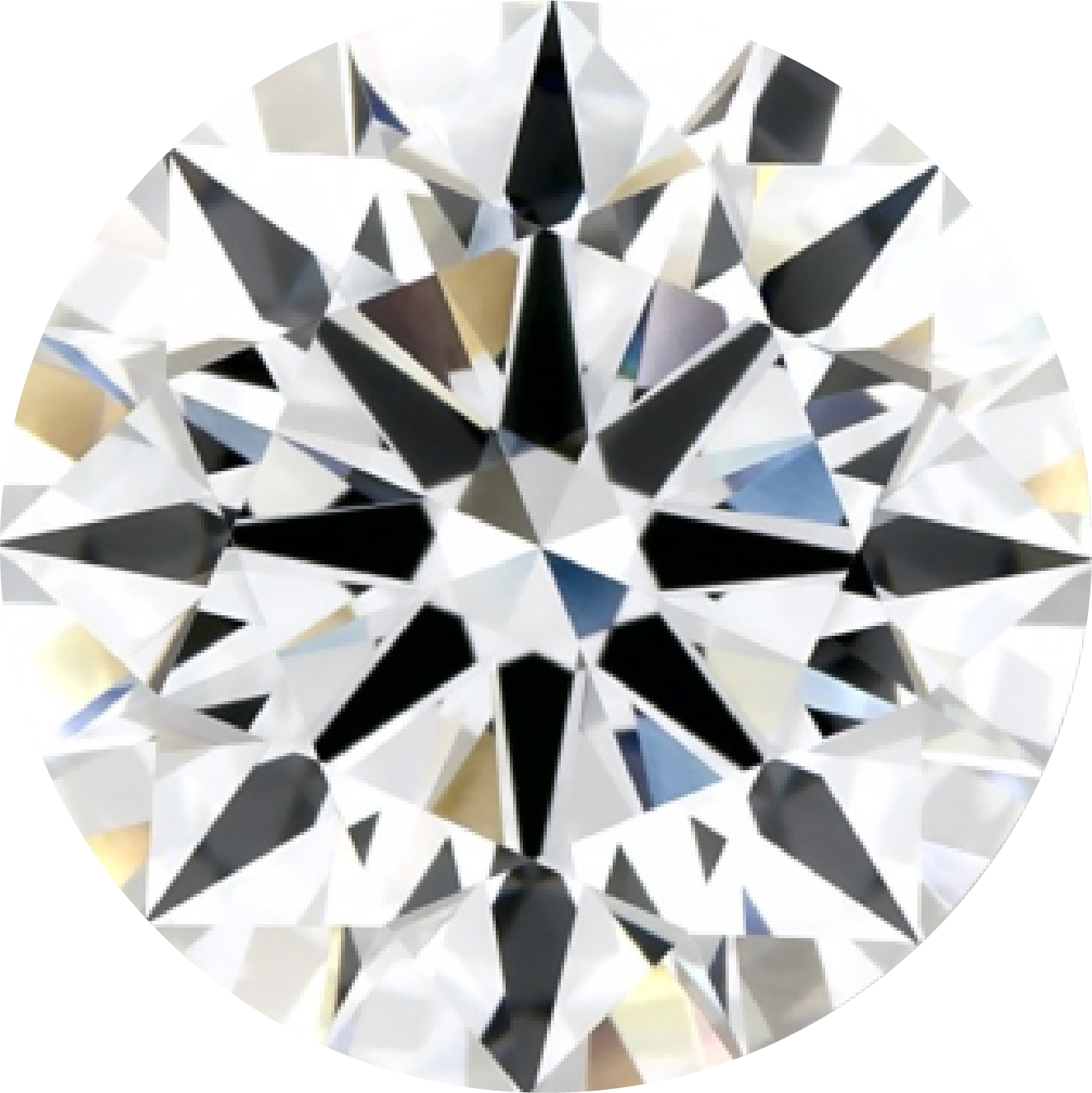
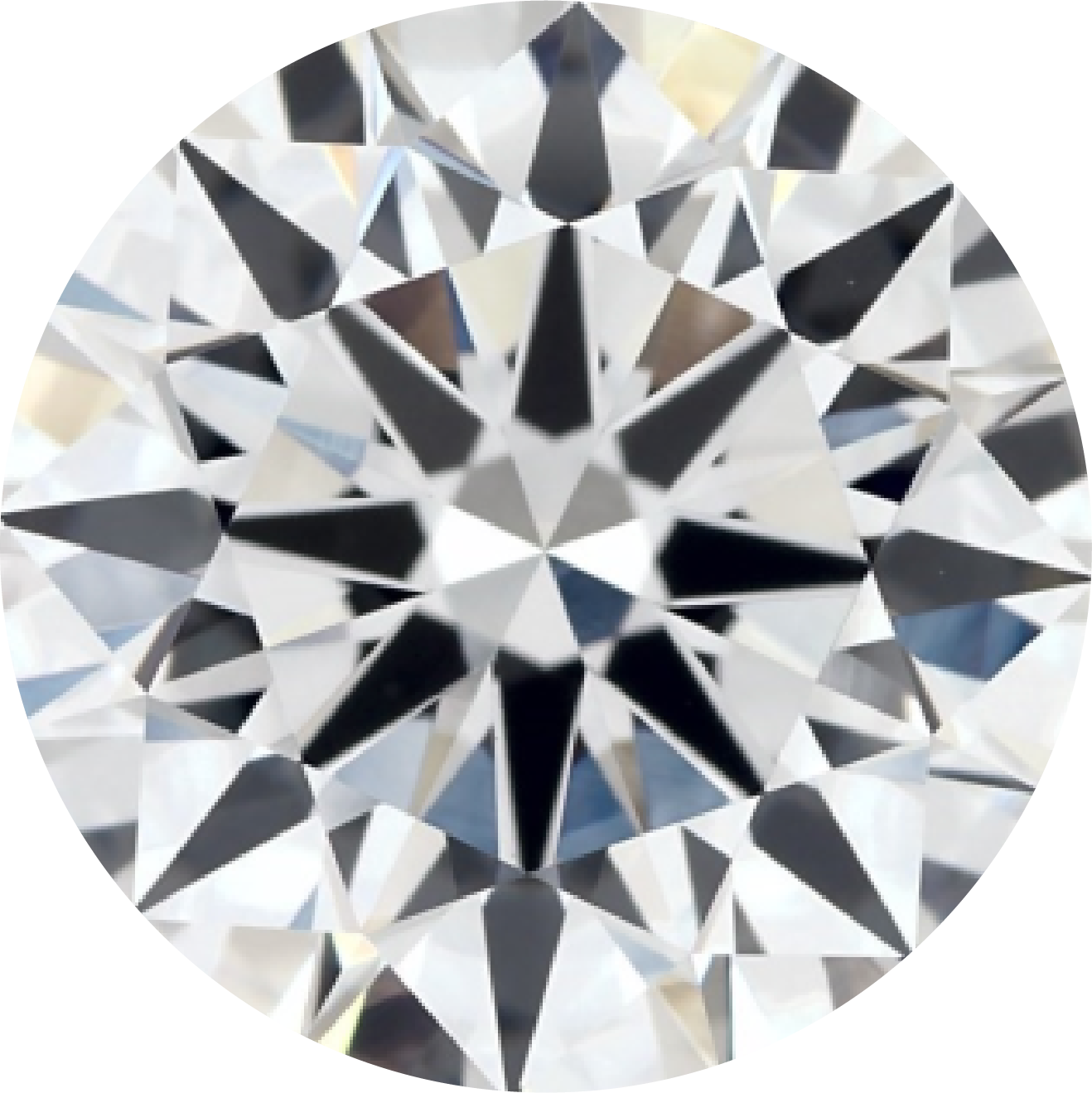
Two identical diamonds: GIA Certified, 1.51ct, D Color, VVS1, Ideal Cut. One is natural ($16,240), the other is lab-grown ($1,970). Choose the diamond you like better and see if you can match it to its origin.
From the “Old Mine” to a Modern Marvel
Before you can truly appreciate the cushion cut, you have to understand its history, because it has more soul and character than almost any other diamond shape. Its story doesn’t start in a modern lab with computers; it starts in the 1700s, under the soft, romantic glow of candlelight.
The ancestor of today’s cushion is a cut known as the “Old Mine Cut.” Back then, diamonds were cut by hand, and the goal wasn’t to sparkle under the harsh lights of a jewelry store, but to dance with fiery flashes in a candlelit ballroom.
To achieve this, cutters created a squarish shape with soft, rounded corners, a high crown, a deep pavilion, and 58 chunky facets. This specific combination was an engineering marvel of its time, designed to capture the low, flickering light and transform it into bold, dramatic flashes of color, or “fire.”
The modern cushion brilliant is a direct descendant of that antique cut. While its proportions have been refined by modern technology to add a huge amount of brilliance, it has never lost that vintage DNA. It is a shape that beautifully bridges the gap between old-world romance and modern-day sparkle.
Now that you know its history, let’s get down to the practical realities. As much as I love this cut, my job is to give you the unvarnished truth. Here’s my honest breakdown of the pros and cons you must consider before you fall completely in love.
| The Pros of a Cushion Cut | The Cons of a Cushion Cut |
|---|---|
| Incredible Sparkle & Fire: Known for having higher dispersion (rainbow flashes) than almost any other fancy shape. | No GIA Cut Grade: Unlike Rounds, GIA does not assign an “Excellent” grade to Cushions, making it easy to buy a “leaky” stone. |
| Unique “Pillow” Shape: Offers a soft, romantic look that works perfectly in vintage or halo settings. | Visual Variety: The difference between “Chunky” (Antique) and “Crushed Ice” (Modern) styles can be overwhelming for new buyers. |
| Superior Value: Typically costs 15-25% less than a Round Brilliant of the same carat weight. | Smaller “Face-Up” Size: Cushions carry more weight in their “belly,” so a 1ct Cushion looks smaller than a 1ct Round. |
| Maximum Durability: The rounded corners make it much less prone to chipping than Princess or Radiant cuts. | Color Retention: Cushions trap color more than Rounds; we recommend staying at H-color or better for a white look. |
| The 2026 Buying Verdict: The cushion cut is the ultimate choice for a romantic, high-fire engagement ring. However, because of the lack of official cut grading, you must be careful not to buy a stone that is too deep.. | |
So what does this all mean for you? It means you’re looking at a stone that offers incredible character, top-tier sparkle, and fantastic value.
But—and this is a big “but”—it’s a shape that requires a smarter, more educated buyer. The “Cons” on this list are the exact reasons why the following seven mistakes are so easy to make. Let’s make sure you don’t fall into any of them.
“Crushed Ice” vs. “Chunky”: The Sparkle Showdown
This is the #1 reason people return their cushion cut rings. They expected one look and got the other.
You cannot tell the difference by reading the certificate alone. You have to look at the facet plot or the video.
1. The “Chunky” Cushion (Standard Brilliant)
- The Look: Broad, bold flashes of light. It looks like a Round diamond that has been squared off.
- The Vibe: Antique, romantic, clean.
- Certificate Code: Often labeled just “Cushion Brilliant” (without the word “Modified”).
- Best For: People who want clarity and distinct patterns.
2. The “Crushed Ice” Cushion (Modified Brilliant)
- The Look: Thousands of tiny, glittering sparkles. No distinct shape. It looks like broken glass or crushed ice.
- The Vibe: Modern, radiant, glittery.
- Certificate Code: “Cushion Modified Brilliant.” This cut adds an extra row of facets to hide inclusions and retain weight.
- Best For: Maximizing carat weight on a budget (these are often cheaper).
Mehedi’s Visual Test: Look at the center of the diamond in the 360-video.
- Do you see distinct arrows or shapes? -> Chunky.
- Do you see a chaotic blender of light? -> Crushed Ice.
Cushion Modified vs Cushion Brilliant: The Facet Pattern That Changes Everything
Every cushion cut diamond on the market falls into one of two facet styles — and the two look nothing alike. GIA grades them under the same report label (“cushion”), which is why so many buyers get the wrong stone.
| Factor | Cushion Brilliant (Chunky) | Cushion Modified Brilliant (Crushed Ice) |
|---|---|---|
| Facet count | 58 facets (classic brilliant pattern) | 64+ facets (extra pavilion facets) |
| Sparkle style | Big bold rainbow flashes, defined patterns | Tiny mosaic sparkles, “shattered glass” look |
| Face-up look | Open, visible facet pattern | Textured, glittery, no visible pattern |
| Hides inclusions? | No — SI inclusions often visible | Yes — crushed ice masks SI1 and even some SI2 |
| Vintage feel | High — resembles Old Mine Cuts | Low — modern, glittery |
| Price at 1ct G VS2 | $3,800–$5,400 | $3,200–$4,500 |
| Resale strength | Stronger — collectors want brilliant | Weaker — crushed ice goes in/out of style |
What this means: Chunky cushion = you can see where every flash comes from. Crushed ice = you cannot. Chunky looks more like a traditional diamond; crushed ice looks modern and almost moissanite-like. Neither is “better” — they are different products with the same label.
Verdict: If you want the diamond to look obviously like a diamond — go chunky brilliant. If you want a modern soft look that hides inclusions and lets you drop a clarity grade — go crushed ice modified brilliant. Always view the stone in 360° video on Blue Nile because photos cannot show the difference reliably.
Mehedi’s Take: “Nine out of ten customers who come to me frustrated with their cushion cut thought they were buying one style and got the other. The GIA report never says ‘crushed ice’ — you have to look at the video. If a retailer won’t give you a 360° video of their cushion, walk away.”
Deep Cut Cushion Diamond: The 61–67% Rule That Saves 32% Sparkle
Cushion cut diamonds are the easiest shape to accidentally buy “deep.” A deep-cut cushion hides weight in the pavilion — meaning you pay for carat you cannot see from above. The stone faces up small, light leaks out the bottom, and sparkle drops by roughly 32% compared to an ideal-depth stone.
| Depth % | Table % | What You See | Buy? |
|---|---|---|---|
| <60% | <58% | Flat, dull, “dead” center window | Skip |
| 60–61% | 58–61% | Slightly flat, acceptable brilliance | Caution |
| 61–67% | 61–67% | Ideal — balanced fire + brilliance | Yes |
| 68–70% | 65–68% | Slightly deep, faces up small | Caution |
| >70% | >68% | Deep-cut trap — pays for hidden carat | Skip |
What this means: A 1.5ct cushion at 72% depth faces up like a 1.1ct ideal-depth stone — you lose roughly 25–30% of the visual size you paid for. Worse, the extra depth kills light return, so the stone looks dim even in good lighting.
Verdict: Stick to 61–67% depth AND 61–67% table. If either number is outside that window, request MM dimensions and compare face-up size to a benchmark stone. Blue Nile’s filter lets you set both depth and table ranges — use the diamond search filter to screen out deep-cut traps before you even look at videos.
Types of Cushion Cut Diamonds: 6 Variations You’ll See Online
“Cushion cut” is an umbrella term. These six variations all appear under the “cushion” label on retailer sites — and the price can swing 40% between them at the same carat weight.
| Type | Facet Count | Era | Look | Price (1ct G VS2) |
|---|---|---|---|---|
| Cushion Brilliant | 58 | Modern | Classic bold flashes | $3,800–$5,400 |
| Cushion Modified Brilliant | 64+ | Modern | Crushed ice glitter | $3,200–$4,500 |
| Old Mine Cut (antique) | 58 | Pre-1900 | Chunky, open culet | $5,000–$8,500 |
| Elongated Cushion | 58 or 64+ | Modern | Rectangular, finger-flattering | $3,400–$4,800 |
| Checkerboard Cushion | Varies | Modern | Square-faceted crown, mosaic | $2,800–$4,000 |
| Cushion Step Cut (rare) | 49 | Modern revival | Emerald-like windows | $3,000–$4,500 |
What this means: Old Mine Cuts carry a 50–80% premium because supply is fixed — they stopped cutting them around 1900. Checkerboard and step cushions are the cheapest because they are modern niche styles. Modified brilliant (crushed ice) is the most common at every mainstream retailer.
Verdict: For engagement rings, 95% of buyers should choose cushion brilliant or cushion modified brilliant. If you want antique character and have the budget, Old Mine Cuts are a legitimate collectible. See our full breakdown at do old mine cut diamonds have a culet and what is crushed ice diamond.
My Expert Guide to Choosing the Perfect Cushion Cut

Welcome to the most important part of this guide. We are now going to walk through the seven most common—and costly—mistakes I see people make when buying a cushion cut diamond.
I’m going to break down each trap, show you why people fall into it, and give you a simple, powerful strategy to avoid it.
Master these seven points, and you will be able to buy a cushion cut with the confidence of a seasoned pro.
Mistake #1: Not Understanding its “Two Personalities” (The Most Key Choice)
This is, without a doubt, the single biggest point of confusion for cushion cut buyers, and it’s the first mistake you need to avoid. You can look at two 1.5-carat, G-color, VS2-clarity cushion cut diamonds with identical measurements, and they can look wildly different.
One will have broad, fiery flashes, and the other will have a thousand points of splintery, glittery light. Why? Because the cushion cut has two distinct “personalities.”

On the GIA certificate, you might see the terms “Cushion Brilliant” (the standard) or “Cushion Modified Brilliant” (which has an extra row of facets). The single greatest myth in the market is that these technical names directly correspond to the two different visual styles.
This is completely inaccurate. The truth is, the only way to know which personality a cushion cut has is to look at it.
Here are the two styles you absolutely must know:
The “Chunky” Cushion (Antique Style): This style has a facet pattern with larger, clearly defined facets. When you look into the stone, you see broader, bolder flashes of white and colored light.
This look is highly sought after by diamond connoisseurs because it closely resembles the look of the original “Old Mine Cut” diamonds. It has a romantic, “inner fire” that is incredibly captivating. It’s often compared to the bold flashes of a classic round brilliant diamond.

The “Crushed Ice” Cushion (Glittery Style): This style has a facet pattern with many more small, scintillating facets. When you look into the stone, you don’t see distinct facets, but rather a chaotic, glittery, and shimmering sparkle.
It’s like looking into a piece of glass that has been shattered into a thousand tiny pieces, with light bouncing off in every direction. This look is very similar to the sparkle you’ll find in a radiant cut diamond.
Let me be crystal clear: one is not better than the other. This is purely a matter of personal preference, like choosing vanilla over chocolate. The critical mistake is not knowing these two styles exist and not deciding which one you prefer before you begin your serious search.
You must look at high-quality videos of both styles to see which one speaks to you. Do you love the bold, distinct flashes of the “chunky” cushion, or the mesmerizing, glittery sparkle of the “crushed ice”? Deciding this first will narrow your search by 50% and ensure you end up with a diamond you truly love.
Precision Curation: Audit the sparkle of the world’s finest cushions. Shop GIA-certified stones and the elite Astor by Blue Nile collection for maximum “Chunky” fire at Blue Nile .
Visual Verification: Differentiate “Crushed Ice” from “Antique” styles in 40x Super-Zoom HD. Explore premium True Hearts™ cushions with 20% OFF settings at James Allen .
Mistake #2: Choosing a Shape You Don’t Love (Length-to-Width Ratio)
The second trap is not paying close attention to the diamond’s overall shape. The term “cushion cut” can describe a perfectly square diamond, or a noticeably rectangular one.

This shape is determined by its Length-to-Width Ratio (L/W), which you find by simply dividing the diamond’s length by its width (these measurements are always listed on the GIA report).
Choosing the right L/W ratio is another decision based entirely on your personal style and what you find most beautiful. Here is a guide to the different shapes you will encounter:
| Length/Width Guide | Shape Description | Mehedi’s Expert Take |
| 1.00 – 1.05 | The Classic Square | This is the traditional cushion shape, offering a symmetrical, balanced, and pillow-like appearance. It’s a timeless choice. |
| 1.06 – 1.15 | The Popular Modern Rectangle | This “soft rectangle” is currently the most popular choice. It offers a slightly elongated look that can have a very flattering, slimming effect on the finger. |
| 1.16+ | The Elongated Rectangle | This is a more dramatic and less common shape that offers a significant finger-slimming effect and a very distinct, elegant appearance. |
The mistake is buying a 1.25 ratio when you really had your heart set on a classic square. This is why you must use the L/W filter when you search on sites like Blue Nile or James Allen.
If you know you want a square, set your L/W ratio filter to 1.00 to 1.05. This simple step will ensure you are only looking at diamonds with the exact silhouette you love.
Mistake #3: Trusting the Certificate for Cut Quality
This is a massive trap that catches so many first-time buyers. I’m going to say this as clearly as I can: The GIA grading report for a cushion cut diamond does NOT include an overall Cut grade.
Unlike a round brilliant, which has a universally agreed-upon set of perfect proportions, the cushion cut is a “fancy shape” with too many variations to have a single “ideal” standard.
This means you can have a cushion cut with terrible proportions that leaks light and looks dead, but the GIA certificate will simply not warn you.
So what do you do? We use the certificate’s numbers as a starting point to filter out the obvious duds. The following table contains my expert recommendations—think of this as your “ballpark” guide.
| Technical Spec | Excellent (Target) | Very Good | Good |
|---|---|---|---|
| Table % | 61% – 67% | 58-60% or 68-70% | 56-57% or 71% |
| Depth % | 61% – 67% | 58-60.9% or 67.1-70% | 56-57.9% or 70.1-71% |
| The 2026 Buying Verdict: To ensure your cushion cut has maximum light return, aim for the Excellent range. Stones with a depth over 70% are considered “Deep” and will look significantly smaller than their actual carat weight suggests. | |||

The Mehedi Method: Set your search filters for a Table and Depth percentage of under 70%. This will filter out the majority of poorly proportioned, deep stones that don’t reflect light well. However, you must understand that this is just a starting point.
Your final decision MUST be based on a visual inspection of the diamond’s video to see how it performs in the light. A diamond can have “perfect” numbers on paper and still be a dud. Trust your eyes above all else.
The “Deep Cut” Danger Zone: Ideal Proportions Table
Since GIA doesn’t give a Cut grade, cutters often cheat. They cut the diamond Deep (thick) to keep the weight high, even though it makes the diamond look small and dark.
Use this 2026 Proportions Chart to filter out the “Dead” stones immediately.
| Proportion Spec | Excellent / Ideal (Target) | Very Good (Acceptable) | Avoid (Poor Performance) |
|---|---|---|---|
| Depth % | 61.0% – 67.0% | 58.0% – 70.0% | > 70% or < 58% |
| Table % | 61.0% – 69.0% | 56.0% – 70.0% | > 72% or < 54% |
| Girdle Thickness | Thin – Slightly Thick | Very Thin – Thick | Extremely Thin or Thick |
| Culet Size | None | Very Small | Medium to Large |
| The 2026 Buying Verdict: To get the best value, prioritize a Depth under 67%. A “Deep” Radiant hides its carat weight in the bottom of the stone, meaning you pay for weight you can’t see. For more on how to save, check our guide: Radiant Cut Diamond: The Secret That Saves You Thousands. | |||
Why Depth Matters:
- Too Deep (>70%): The diamond looks small (like a 0.80ct stone even if it’s 1.00ct). You pay for weight you can’t see. It suffers from light leakage (dark center).
- Too Shallow (<58%): The diamond looks glassy and lifeless (the “Fisheye” effect). You can see the ring setting right through the stone.
Mistake #4: Ignoring Color Retention
This is a subtle but financially critical mistake. The cushion cut’s facet pattern and greater depth mean that it tends to retain and show body color more than a round brilliant diamond does.
This is one of its key vulnerabilities. A G-color cushion can sometimes look a little warmer than a G-color round.
Because of this, you need to be a little more careful when choosing a color grade to ensure your stone looks bright and white. Here is my color guide based on the type of metal you plan to set it in:
| Color Strategy | For White Gold / Platinum | For Yellow / Rose Gold |
|---|---|---|
| Top Recommendation | H Color or better (G, F, etc.) | J Color or better (I, H, etc.) |
| The Logic | An H color will appear bright and icy-white. Dropping to an I color in white metals can reveal a distracting “warm” tint against the cool, bright band. | A J color faces up beautifully here. The warm gold metal perfectly complements any subtle yellow in the diamond, making it a high-value savvy choice. |
| The 2026 Buying Verdict: Because cushion cuts retain color more than rounds, we strictly recommend H color or better for a truly white appearance in white metals. If you are on a budget, choose Yellow or Rose Gold to “hide” the warmth of a J-color stone. | ||
Overpaying for a D Color or E color is an unnecessary expense for most buyers. By choosing an H-color diamond, you get a stone that looks colorless to the naked eye at a price that can be thousands of dollars less, which is always the smart move.
Mistake #5: Overpaying for High Clarity
This is the easiest mistake to make and the easiest one to avoid. When you’re spending thousands of dollars, it’s tempting to think you need a VVS or even an Internally Flawless diamond for that “perfect” look. This will cost you a fortune, and it’s completely unnecessary.
Your goal is not to buy a technically “flawless” diamond. Your goal is to buy an “eye-clean” diamond. An eye-clean stone is one that may have tiny inclusions that are visible under 10x magnification, but are completely invisible to the naked eye in a real-world setting.
Here’s my guide for cushion cut clarity:
| Clarity Guide | Grade | Mehedi’s 2026 Expert Take |
|---|---|---|
| Don’t Overpay | FL – VVS2 | The inclusions are strictly microscopic. You are paying a heavy premium for a “flawless” certificate, not a visually more beautiful stone. In the current market, this is often wasted budget. |
| The Sweet Spot | VS1 – VS2 | These grades are almost always eye-clean. They offer the perfect 2026 balance of a clean, high-clarity look and a fair price. This is a fantastic and very safe choice for engagement rings. |
| The Value Hunter | SI1 | This is where the absolute best deals are found. Many SI1 cushion cuts are completely eye-clean, potentially saving you thousands. However, you MUST inspect the 360° video to ensure the inclusion isn’t a large, dark crystal in the center of the table. |
| The 2026 Clarity Verdict: For the best Return on Investment, target an “Eye-Clean” SI1 Clarity Diamond. Cushion cuts are excellent at hiding “pepper” inclusions within their facets. | ||
The brilliant facet pattern of a cushion cut, especially the “crushed ice” variant, is fantastic at camouflaging small inclusions. Choosing an eye-clean SI1 is the single smartest way to free up budget that can be used to get a larger or higher color diamond.
Precision Curation: Audit the sparkle of the world’s finest cushions. Shop GIA-certified stones and the elite Astor by Blue Nile collection for maximum “Chunky” fire at Blue Nile .
Visual Verification: Differentiate “Crushed Ice” from “Antique” styles in 40x Super-Zoom HD. Explore premium True Hearts™ cushions with 20% OFF settings at James Allen .
Mistake #6: Choosing an Unflattering Setting
You can do all the hard work to find the perfect cushion diamond, and then diminish its beauty by choosing the wrong setting.
A cushion’s defining features are its soft “pillow” shape and its brilliant sparkle. Your setting should always enhance these features.
- The Best Choices:
- Halo Setting: This is the absolute classic for a cushion cut for a reason. A delicate halo of small diamonds perfectly traces the pillow outline, making the center stone look significantly larger and cleanly blending with its brilliant sparkle.
- Solitaire Setting: A simple 4-prong solitaire setting allows the unique shape and facet pattern of your cushion to be the star of the show. It’s a timeless and elegant choice that will never go out of style.
- Halo Setting: This is the absolute classic for a cushion cut for a reason. A delicate halo of small diamonds perfectly traces the pillow outline, making the center stone look significantly larger and cleanly blending with its brilliant sparkle.
- A Setting to Be Wary Of:
- Thick Bezel Setting: While a bezel setting offers incredible security, a very thick or heavy bezel can sometimes hide the cushion’s beautiful, soft corners. This can make the stone appear smaller and more “boxy,” effectively erasing the unique shape you worked so hard to select.
Mistake #7: Not Knowing Your “Antiques” (The Taylor Swift Factor)
This is a modern mistake, but a very important one. The resurgence in popularity of vintage-style rings, famously highlighted by Taylor Swift’s recent engagement ring, has created a new point of confusion for buyers.
Many people see a ring like hers and search for a “cushion cut,” only to find that the modern ones don’t look quite the same.
This is because a ring like Taylor’s is likely not a modern cushion brilliant at all, but its ancestor: a true antique “Old Mine Cut.” You must understand the difference:
- Modern Cushion Brilliant: Cut with computers and lasers for maximum sparkle. It has smaller facets, a shallower profile, a smaller culet (the facet at the very bottom), and is designed for the bright, scintillating sparkle we expect today.
- Antique “Old Mine” Cut: Cut by hand over 100 years ago for candlelight. It has a very distinct look:
- A higher crown (the top of the diamond)
- A smaller table (the main top facet)
- A deep pavilion (the bottom of the diamond)
- A large, visible culet that you can often see as a small circle through the top of the stone.
The result of this antique cutting style is a diamond with a completely different personality. It doesn’t have the same “crushed ice” or brilliant sparkle; instead, it has a deep, romantic, and almost soulful “inner fire” with chunkier, soap-like flashes of light.
Choosing an Old Mine Cut isn’t a mistake—they are beautiful and highly sought after—but confusing them with a modern cushion brilliant is. One is for the lover of modern sparkle, and the other is a very specific, beautiful choice for a true vintage enthusiast.
Elongated Cushion Cut Ratio Guide: 1.00 to 1.50 Decoded
Length-to-width ratio changes a cushion cut from “square pillow” to “rounded rectangle” to “oval-adjacent.” The ratio you want depends on finger shape, setting style, and whether you want the stone to look bigger face-up.
| Ratio | Appearance | Face-Up Size vs Carat | Best For |
|---|---|---|---|
| 1.00–1.05 | Perfect square pillow | Standard | Classic solitaires, halo settings |
| 1.06–1.10 | Soft square | +2% larger | Buyers who want “almost square” |
| 1.10–1.20 | Subtle rectangle | +5% larger | Most popular — balanced look |
| 1.20–1.30 | Clear rectangle | +8% larger | Three-stone, east-west settings |
| 1.30–1.50 | Elongated cushion | +12% larger face-up | Finger-flattering, modern look |
| >1.50 | Oval-adjacent | +15% larger | Specialty — hard to source |
What this means: At the same carat weight, a 1.40 elongated cushion looks 12% larger face-up than a 1.00 square cushion. If you want the biggest look for your budget, go elongated. If you want the most classic cushion silhouette, stay 1.00–1.05.
Verdict: The sweet spot is 1.10–1.20 for most buyers — it reads as cushion-shaped but gains measurable face-up size. For east-west settings or three-stone rings, go 1.30–1.50. Elongated cushions are rare below 1ct — plan for a 1.2–3ct search range.
Mehedi’s Take: “Elongated cushions are the smartest buy right now. You get the vintage charm, the modern finger-flattering shape, and a face-up size that often beats a round brilliant 0.3ct heavier. If you’re over 1.5ct, elongated cushion is almost always the better value than square.”
Cushion Cut Carat Size Chart: MM Dimensions for 0.5 to 5 Carat
Cushion cut MM dimensions are not standardized the way round brilliant is. Two 1ct cushions can face up differently depending on depth and ratio. The chart below shows typical face-up dimensions at ideal depth (61–67%) for both square (1.00) and rectangle (1.20) ratios.
| Carat | Square 1.00 (MM) | Rectangle 1.20 (MM) | Face-Up Equivalent (round) |
|---|---|---|---|
| 0.50ct | 4.5 × 4.5 | 4.9 × 4.1 | ~0.55ct round |
| 0.75ct | 5.2 × 5.2 | 5.7 × 4.7 | ~0.82ct round |
| 1.00ct | 5.75 × 5.75 | 6.3 × 5.2 | ~1.08ct round |
| 1.25ct | 6.2 × 6.2 | 6.8 × 5.7 | ~1.35ct round |
| 1.50ct | 6.5 × 6.5 | 7.2 × 6.0 | ~1.60ct round |
| 2.00ct | 7.2 × 7.2 | 7.9 × 6.6 | ~2.15ct round |
| 2.50ct | 7.75 × 7.75 | 8.5 × 7.1 | ~2.70ct round |
| 3.00ct | 8.25 × 8.25 | 9.1 × 7.6 | ~3.25ct round |
| 4.00ct | 9.1 × 9.1 | 10.0 × 8.3 | ~4.30ct round |
| 5.00ct | 9.8 × 9.8 | 10.8 × 9.0 | ~5.30ct round |
What this means: At every carat weight, cushion cuts face up roughly 7–12% larger than round brilliants. A 1ct elongated cushion wears like a 1.08ct round. That’s free visual size — one of the biggest reasons buyers choose cushion over round. See our full diamond carat size chart for direct comparisons.
Verdict: If budget caps you at 1ct, cushion gives you more face-up size than round. If you can go 1.2ct elongated, you’ll out-size a 1.5ct round at a $2,000–$3,000 discount.
How Much Does a Cushion Cut Cost (And Why Is It a Good Value)?
So, let’s talk about the bottom line: your budget. One of the single greatest advantages of choosing a cushion cut diamond is the exceptional value it offers.
On average, you can expect a well-cut cushion diamond to be 15-25% less expensive than a round brilliant diamond of the exact same carat weight and quality.
Why is there such a significant price gap? It all comes down to a concept we in the trade call “yield from rough.”
Imagine a diamond cutter has a raw, unpolished diamond crystal on their table. Their job is to cut and polish away the rough exterior to reveal the brilliant gem inside.
To achieve the perfect, mathematically precise proportions of a round brilliant, a cutter often has to grind away more than 50% of the original crystal’s weight. That discarded material is essentially diamond dust, but its cost is factored into the final, smaller gem.
The square or rectangular shape of a cushion cut, however, often conforms more closely to the natural shape of a diamond crystal. The cutter doesn’t have to discard as much of the precious rough to create the final stone.
This better yield means less waste, and that cost savings is passed directly on to you. It’s one of the few instances in the diamond world where you get a clear win without compromising on beauty.
To give you a real-world idea, here’s a sample pricing table for high-quality (G-H color, VS2-SI1 clarity) natural cushion cut diamonds. Keep in mind that prices fluctuate, but this is a fantastic starting point for setting your budget.
| Carat Weight | Typical 2026 Price (Approx.) | Visual Impact (Finger Coverage) |
|---|---|---|
| 1.00 Carat Cushion | $3,300 – $4,200 | Standard Prestige. Faces up approximately 5.5mm. |
| 1.50 Carat Cushion | $7,500 – $9,200 | The Sweet Spot. Significantly larger presence (approx. 6.5mm) without the massive 2ct price tag. |
| 2.00 Carat Cushion | $15,000 – $18,500 | Ultra-Luxury. Large “Celebrity” size profile, facing up at approx. 7.5mm+. |
| The 2026 Saving Strategy: If your budget is tight, look for “Under-Sized” stones (e.g., 0.90ct or 1.40ct). These often cost 10-15% less while being visually indistinguishable from full-carat weights. For more on how to maximize your budget, check our guide on the 7 Mistakes to Avoid When Buying a Cushion Cut Diamond. | ||
As you can see, you can get a stunning 1-carat cushion cut like this gorgeous example from James Allen for a price that would only get you a much smaller round brilliant. This value is what allows you to either save money or get a significantly larger, more impressive stone for your budget.
Famous Cushion Cuts and Gemological Types (The Sotheby’s Intel)
Now, I want to pull back the curtain a little further and share some fascinating insider knowledge. This isn’t just about your engagement ring; it’s about the incredible history and science of the cushion cut.
This shape has been chosen for some of the most famous and scientifically rare diamonds in history for very specific reasons.
Let’s start with the legends. When you look at world-famous diamonds, you see cushion cuts time and time again:
The Hope Diamond:

Arguably the most famous diamond in the world, this 45.52-carat, Fancy Dark Grayish-Blue stone is a testament to the cushion’s ability to showcase deep, mesmerizing color. Its storied, “cursed” history and its current home in the Smithsonian make it an icon.
The Regent Diamond:

Housed in the Louvre, this stunning 140.64-carat cushion is famous for its exceptional D-color and flawless clarity. Once part of the French Crown Jewels, its nearly perfect cut makes it a benchmark for brilliance.
The Tiffany Yellow Diamond:

Worn by legends like Audrey Hepburn and Lady Gaga, this 128.54-carat Fancy Yellow cushion is a masterpiece of color. The cut was specifically chosen to enhance its vibrant, sunny hue, proving the cushion’s versatility.
So why were these incredible, world-changing diamonds all cushion cuts? Many of them fall into a scientifically rare category of diamonds known as Type IIa.
Here’s a simple breakdown of what that means:

Type Ia Diamonds:
These are the “standard” diamonds. About 98% of all diamonds mined are Type Ia. They contain trace amounts of nitrogen atoms in their crystal structure, which is what gives many diamonds a very faint yellowish tint. The vast majority of engagement rings are made from Type Ia diamonds.
Type IIa Diamonds:
This is the VIP section of the diamond world. Making up less than 2% of all diamonds, these are the purest of the pure. They contain no measurable nitrogen or boron impurities in their crystal structure.
This chemical purity results in breathtaking clarity and allows them to achieve a perfectly colorless D grade that is almost transparent.
When these diamonds are colored, like the famous 11.15-carat Williamson Pink Star that Sotheby’s sold for nearly $60 million in 2022, the color is often caused by structural deformities, not impurities, resulting in an exceptionally pure hue.
There’s even a rarer category, Type IIb, which contains traces of boron and results in the ultra-rare blue color of the Hope Diamond.
While the average buyer doesn’t need to hunt for a Type IIa diamond, understanding this gemological distinction helps you appreciate why the cushion cut is so revered at the highest levels of the market.
Its large facets and deep profile are the perfect canvas for showcasing the unparalleled clarity of a Type IIa stone or deepening the rich, saturated color of a fancy colored diamond.
It is, and always has been, a cut chosen for connoisseurs. When you browse the auctions at a place like Sotheby’s, you are seeing the pinnacle of this incredible shape’s potential.
Precision Curation: Audit the sparkle of the world’s finest cushions. Shop GIA-certified stones and the elite Astor by Blue Nile collection for maximum “Chunky” fire at Blue Nile .
Visual Verification: Differentiate “Crushed Ice” from “Antique” styles in 40x Super-Zoom HD. Explore premium True Hearts™ cushions with 20% OFF settings at James Allen .
Why Are Cushion Cuts Cheaper? (The “Yield” Secret)
You might notice that a 1-Carat Cushion is $4,000, while a 1-Carat Round is $6,000.
Is the Cushion worse? No. It is just more efficient.
- Round Diamond: To cut a round shape from a rough crystal, the cutter has to grind away 50-60% of the expensive rough diamond dust. It is wasteful.
- Cushion Diamond: The cushion shape follows the natural “Octahedron” shape of the rough crystal much better. The cutter only loses 30-40% of the material.
- The Result: The cutter saves money on raw materials, and they pass that savings to you. You get more diamond for your dollar.
Price Comparison (1.00 ct, G Color, VS2 Clarity)
- Round Brilliant: ~$6,500
- Cushion Cut: ~$4,500 (30% Savings)
- Princess Cut: ~$4,800
Mehedi’s Value Verdict: If you are on a budget but want a “Brilliant” style sparkle (not a step cut like Emerald), the Cushion is the undisputed value king. You can upgrade from 1.00ct to 1.25ct for free just by switching shapes.
Best Settings for Cushion Cut Diamonds: 7 Styles Ranked by Fit
Cushion cuts have delicate rounded corners that need setting protection — but they also have a vintage silhouette that pairs beautifully with ornate styles. Here are the seven settings that work (and the ones that don’t).
| Setting | Why It Works | Price Range (14k gold, no stone) |
|---|---|---|
| Classic Solitaire (4-prong) | Lets the cushion shape speak for itself. Prongs cover corners. | $650–$1,200 |
| Halo | Adds 20–30% face-up size. Vintage halo pairs with cushion history. | $1,100–$2,400 |
| Split Shank | Modern silhouette, holds center stone securely. | $900–$1,800 |
| Three-Stone (cushion center + round sides) | Traditional, side stones add 0.4–0.6ct visual bulk. | $1,400–$3,200 |
| Bezel | Full metal border protects corners. Modern, low-profile. | $800–$1,400 |
| Pavé Band | Side diamonds frame cushion silhouette. Avoid thin bands. | $950–$1,900 |
| Vintage/Antique-Inspired | Milgrain, filigree pairs with Old Mine or chunky brilliant. | $1,200–$2,800 |
What this means: Halo is the single most popular cushion setting because it stretches the face-up size — a 1.2ct cushion in a halo looks like 1.8ct. Three-stone is the best choice if you want permanent “finger coverage” without going over 1.5ct center. Avoid tension settings for cushions — the rounded corners don’t grip reliably.
Verdict: For most buyers, start with a halo or solitaire. Halo if visual size matters; solitaire if the stone is 1.5ct+ and already looks substantial. Shop Blue Nile cushion engagement ring settings — their 360° preview shows exactly how your stone will sit before you buy.
Cushion Cut Retailer Evaluation: Blue Nile, James Allen, With Clarity, VRAI Compared
Cushion cuts are the hardest shape to buy sight-unseen because the facet pattern (chunky vs crushed ice) varies dramatically between stones. The retailer you pick matters almost as much as the stone — because only some retailers show the detail you need to buy confidently.
Blue Nile Cushion Cut Review
Verdict: Best overall for cushion cuts in [year]. Blue Nile’s inventory is the largest in the US (12,000+ cushion-shaped diamonds at any time), 360° video is standard on every stone over 0.3ct, and they acquired James Allen’s inventory in 2026 — giving them the deepest cushion catalog online. Returns are 30 days. 1ct G VS2 cushion runs $3,200–$4,800.
Best for: buyers who want the largest selection, want to see 360° video, and want mainstream return policy. Weak point: customer service is email-first — not for buyers who want hand-holding.
James Allen Cushion Cut Review (now part of Blue Nile)
Verdict: James Allen closed as a standalone brand in August 2026. Blue Nile acquired the inventory and relaunched it as the James Allen collection on bluenile.com/james-allen. The 360° video technology that made James Allen famous now runs on all Blue Nile cushion listings. Prices and inventory are identical to Blue Nile proper.
Best for: buyers who already had a James Allen account or want to shop the former JA inventory specifically. Read our full James Allen review for the acquisition story.
With Clarity Cushion Cut Review
Verdict: With Clarity is a specialty retailer focused on lab-grown diamonds and preview-rings (they send a free CZ replica of your ring before you buy the real one). Cushion inventory is smaller than Blue Nile but curated for ideal proportions — you won’t find deep-cut traps in their catalog. 1ct G VS2 lab cushion runs $1,100–$1,800. Returns are 30 days.
Best for: lab-grown buyers who want pre-vetted stones. Weak point: natural selection is thin; prices on natural stones are 10–15% above Blue Nile.
VRAI Cushion Cut Review
Verdict: VRAI is lab-grown only, cut in-house from CVD diamonds grown with 100% renewable energy. Their cushion inventory is small (~400 stones) but every stone is Type IIa (the purest crystal type). 1ct D VS1 VRAI cushion runs $2,100–$2,900. 30-day returns, lifetime warranty.
Best for: ESG-focused buyers who want the premium lab-grown origin story. Weak point: inventory limits; you may not find your exact spec on the first search.
Jared Cushion Cut Review
Verdict: Jared is a mall-based retailer owned by Signet Jewelers. Cushion inventory is physical-store-focused, with limited online 360° preview. Prices are 20–40% above Blue Nile at matched grades. Benefit: in-person inspection and extended-warranty programs. 1ct G VS2 cushion runs $5,200–$7,400.
Best for: buyers who want to hold the stone in-hand before purchase. Weak point: markup is substantial; the same stone is cheaper online.
| Retailer | Cushion Inventory | 360° Video | 1ct G VS2 Price | Best For |
|---|---|---|---|---|
| Blue Nile | 12,000+ stones | Standard | $3,200–$4,800 | Overall best |
| James Allen (BN) | Merged with BN | Standard | $3,200–$4,800 | Former JA shoppers |
| With Clarity | ~800 stones | Standard | $3,600–$5,200 natural | Lab + preview rings |
| VRAI | ~400 lab stones | Standard | $2,100–$2,900 lab D VS1 | ESG-focused lab buyers |
| Jared | In-store | Limited online | $5,200–$7,400 | In-person inspection |
Verdict: For 90% of cushion buyers, Blue Nile is the right answer — largest inventory, strongest 360° video, best pricing. Go VRAI for lab-grown with ESG story, With Clarity for lab-grown with a preview-ring, and Jared only if you need to see the stone in hand. See full retailer breakdowns at Blue Nile review and Brilliant Earth vs James Allen comparison.
How to Spot a Fake Cushion Cut Diamond: 5 Tests That Expose Imitations
Cushion cuts are a favorite shape for CZ, moissanite, and glass imitations because the soft rounded corners hide the facet imperfections of cheap simulants. Here are the five tests that separate a real cushion diamond from everything else.
| Test | Real Cushion Diamond | CZ / Moissanite / Glass |
|---|---|---|
| Fog test | Fog clears in <1 second | Fog lingers 3–5 seconds |
| Water drop | Water beads sharply on crown | Water spreads flat on CZ |
| UV light (365nm) | Blue fluorescence (60% of diamonds) | Yellow/green on moissanite, nothing on CZ |
| Loupe check — girdle | Faceted or frosted “diamond” girdle | Smooth polished girdle on CZ |
| Dot test (newspaper) | Cannot see dot through table | Dot clearly visible through CZ |
What this means: No single test is 100% reliable — moissanite in particular passes the fog test, water drop, and dot test. The only certain test is a GIA certificate paired with a sealed-serial-number laser inscription on the girdle. If you cannot read the GIA number on the girdle under a 10x loupe, assume the stone is unverified.
Verdict: Buy GIA or AGS certified stones only. Blue Nile, VRAI, and With Clarity all guarantee certification on every listing. Avoid Amazon third-party sellers and estate sales where certification is often missing or forged.
Cushion Cut Facet Count & Anatomy: Why 58 vs 64 Facets Matters
Cushion cuts come in two facet counts — and the number directly controls how the stone sparkles. Standard brilliant cushions have 58 facets (same as round brilliant). Modified brilliant (crushed ice) cushions have 64 or more by splitting pavilion mains into smaller facets.
| Anatomy Part | Cushion Brilliant (58) | Cushion Modified (64+) |
|---|---|---|
| Crown facets | 25 | 25 |
| Girdle (bezel) | 8 mains | 8 mains |
| Pavilion mains | 8 large | 16 small (split) |
| Culet | 1 point or small facet | 1 point or small facet |
| Total facets | 58 | 64–72 |
| Light return pattern | Broad, defined flashes | Scattered mosaic sparkle |
What this means: More facets ≠ better sparkle. More small facets = more points of sparkle but each one is smaller and dimmer. Fewer large facets = fewer sparkle points but each is bigger and brighter. “Chunky” cushion gives drama; “crushed ice” cushion gives shimmer.
Verdict: If you want the sparkle to resemble a round brilliant, buy a 58-facet cushion brilliant. If you want a softer modern glitter, buy a 64+ facet cushion modified brilliant. There is no “best” facet count — only the one that matches your preferred look.
How Does the Cushion Compare to the Round, Princess, and Oval?
Okay, you love the cushion cut. But a nagging question probably remains: “Am I missing out on something with a round, an oval, or a princess?” This is one of the most common decision points for any buyer, because these four shapes are the titans of the engagement ring world.

As your friend in the business, I want to give you a complete, no-nonsense breakdown. We’re going to put them head-to-head on the four factors that truly matter: their sparkle, their price, their durability for everyday wear, and how big they actually look on a finger.
First, here’s the scannable scorecard. Then, we’ll dive deep into what these numbers actually mean for you.
| Strategic Feature | Cushion Cut | Round Brilliant | Princess Cut | Oval Cut |
|---|---|---|---|---|
| Sparkle Style | Vintage Glow. Offers “Crushed-Ice” or “Chunky” broad flashes. | Maximum Fire. The industry gold standard for light return. | Sharp & Geometric. Linear, chevron-style brilliance. | Brilliant & Shimmery. Similar to rounds but with elongated flashes. |
| Relative Price | Excellent Value. Typically 25% less than Rounds. | Highest Premium. Due to high rough wastage during cutting. | Excellent Value. Yields more from the rough diamond. | Excellent Value. High demand but still cheaper than Rounds. |
| Durability | Excellent. Rounded corners are very resistant to chipping. | Excellent. Circular edges offer the best protection. | Moderate. Sharp corners are prone to chipping if not protected by prongs. | Excellent. No sharp points or corners. |
| Perceived Size | Tends to look smaller. Carries weight in its “belly.” | True-to-Weight. Faces up exactly as expected. | Looks Smaller. Deep pavilion hides carat weight. | Looks Largest. Elongated shape “cheats” the eye for more coverage. |
| The 2026 Shape Verdict: If you want the biggest visual impact for your money, choose an Oval Cut. If you want a timeless classic with the best sparkle, stay with the Round Brilliant. For those seeking a romantic, soft look with great durability, the Cushion Cut is the strategic winner. | ||||
The Deep Dive: What This Data Really Means
1. Sparkle Style: What’s the “Personality” of the Light?
The single biggest difference between these shapes is the character of their sparkle. They are all brilliant, but they express it in very different ways.
- The Cushion Cut: As we discussed, the cushion has two distinct personalities. You can choose the “Chunky” style for big, broad, almost watery flashes of light and color, or the “Crushed-Ice” style for a thousand points of splintery, glittery light. This variability is its greatest strength and its greatest complexity.
- The Round Brilliant: This is the scientific benchmark for sparkle. A Round Brilliant Cut Diamond is engineered with mathematical precision for one purpose: to return the maximum amount of light.
Its sparkle is an explosive, uniform, and incredibly fiery display. If your goal is the absolute most “bling” possible, the round brilliant is the undisputed champion. - The Princess Cut: A princess cut’s sparkle is as sharp and geometric as its shape. It has a distinct “mosaic” or checkerboard pattern of light and dark.
The flashes are long, linear, and exceptionally bright. If you love clean lines and a modern, almost architectural sparkle, a Princess Cut Diamond Ring is an unbeatable choice. - The Oval Cut: An oval’s sparkle is best described as elegant and shimmering. It shares the same “crushed-ice” quality as some cushions but in an elongated form.
This creates a gorgeous, cascading shimmer across its larger surface area, offering incredible brilliance with a graceful, finger-covering presence. We do a full analysis in our Oval Cut Diamond Buying Guide.
2. Price: Where is the Smart Money?
- The Fancy Shape Advantage (Cushion, Princess, Oval): These three shapes are collectively known as “fancy shapes,” and they all offer a fantastic value proposition. On average, you can expect to pay 15-25% less for a cushion, princess, or oval than you would for a round brilliant of the exact same carat weight and quality.
This is because all three of these shapes conform more closely to the natural, octahedral shape of a rough diamond crystal, meaning less of the precious rough is wasted during the cutting process. - The Round Brilliant Premium: The round brilliant is the undisputed king of price, and always will be. The combination of massive global demand and the low “yield from rough” (often less than 40%) means you are paying a significant premium for its classic status and unmatched brilliance.
Precision Curation: Audit the sparkle of the world’s finest cushions. Shop GIA-certified stones and the elite Astor by Blue Nile collection for maximum “Chunky” fire at Blue Nile .
Visual Verification: Differentiate “Crushed Ice” from “Antique” styles in 40x Super-Zoom HD. Explore premium True Hearts™ cushions with 20% OFF settings at James Allen .
3. Durability: Which Can Handle Real Life the Best?
- The Rounded Champions (Cushion, Round, Oval): These three shapes are all fantastic choices for an active lifestyle. Their defining characteristic is a lack of sharp, pointed corners. This makes them exceptionally durable and highly resistant to the accidental bumps and scrapes that can cause chipping.
- The Princess Cut Vulnerability: The princess cut’s one structural weakness is its four sharp, pointed corners. If left unprotected, these corners can be prone to chipping. However, this is easily solved with a good setting!
A “v-prong” or “bezel” setting that covers those vulnerable points provides excellent protection and makes it a perfectly safe choice for everyday wear.
4. Visual Size: Who Delivers the Most “Bang for Your Buck”?
- The Clear Winner: Oval Cut. Because of its elongated shape, an oval will always look larger on the finger than any of the other three shapes at the same carat weight. It offers the best “finger coverage.”
- The Benchmark: Round Brilliant. This is the “true-to-weight” standard against which all others are judged.
- The Deeper Cuts (Cushion and Princess): Both the cushion and the princess cut are often cut quite deep to maximize their brilliance. This means a significant portion of their carat weight is “hidden” in the depth of the stone, which can make them look slightly smaller face-up than a round brilliant of the same weight.
The Mehedi’s Take: The choice between these four comes down to your personal priorities. If you want maximum, scientific sparkle and a timeless look, choose the Round.
If you want a sharp, modern sparkle and excellent value, choose the Princess. If you want the biggest-looking diamond with an elegant, shimmering sparkle, choose the Oval.
And if you want a romantic, high-character stone with a deep history and fantastic value, the Cushion is your perfect match. To explore even more options, our general Diamond Shapes Guide is a fantastic resource.
Your Cushion Cut Questions, Answered
You’ve got the blueprint, but now it’s time to clear up all the specific questions that pop up during the search. Here are my direct, no-nonsense answers to everything you need to know about the cushion cut diamond.
What is a cushion cut diamond?
A cushion cut diamond is a square or rectangular diamond shape that has soft, rounded corners, giving it a pillow-like appearance. It’s a “brilliant” style cut, meaning it has 58 facets designed to maximize sparkle, blending the brilliance of a modern round cut with the romantic charm of an antique gem.
What are the pros and cons of choosing a cushion cut diamond?
The main pros are its incredible fire and sparkle, its unique and romantic shape, its excellent durability due to rounded corners, and its fantastic value—it’s typically 15-25% less expensive than a round brilliant.
The main cons are that GIA does not assign it a Cut grade, it tends to retain more color than other shapes, and its wide variety of styles can be confusing for new buyers.
Does a cushion cut diamond sparkle like a round?
A cushion cut has a brilliant and fiery sparkle, but it is different from a round diamond. A round brilliant is scientifically cut for maximum, uniform light return and is considered the most brilliant shape. A cushion cut has a slightly softer, deeper sparkle with a lot of “fire” (rainbow flashes).
They are both exceptionally sparkly; they just have different personalities. The look is so popular that even top-tier brands offer it, a standard we discuss in our Astor vs. True Hearts comparison.
Is a cushion cut diamond more expensive?
No, a cushion cut is actually one of the best value diamond shapes. It is significantly less expensive than a round brilliant cut of the same carat and quality. The most expensive diamond cut is the Round Brilliant because of its high demand and the large amount of rough diamond that is lost during the cutting process.
What is the difference between a standard and a modified cushion brilliant?
This is a technical distinction you’ll see on a GIA certificate that refers to slight variations in the faceting pattern on the diamond’s pavilion. From a buyer’s perspective, this is not something you need to worry about.
The visual appearance—whether the diamond is a “chunky” or “crushed-ice” style—is far more important, and this has no direct correlation to whether it’s labeled standard or modified.
What is the ideal length-to-width ratio for a cushion cut diamond?
The “ideal” ratio is based on your personal preference. A perfectly square cushion has a ratio of 1.00-1.05. The most popular modern look is a slight rectangle with a ratio of 1.10-1.20. Anything above 1.21 will look like a more prominent, elongated rectangle.
What is the ideal color grade for cushion cut diamonds?
The ideal color grade for the best value is H if you are setting the diamond in white gold or platinum, and I or J if you are setting it in yellow or rose gold. Because cushions retain more color than rounds, dropping below these grades can show a noticeable warmth. An I Color Diamond can be a particularly savvy buy in a yellow gold setting.
What is the ideal clarity grade for cushion cut diamonds?
The ideal clarity grade for the absolute best value is an eye-clean SI1. The brilliant facet pattern of cushion cuts is excellent at hiding small inclusions. There is rarely a need to pay the premium for a VS or VVS grade when you can find an SI1 that looks identical to the naked eye. To learn more, our guide to the SI2 Diamond Clarity Chart can show you how to find a great value stone.
Is an H color, SI1 clarity cushion cut a good choice?
Yes, it is arguably the smartest choice you can make. This combination offers the absolute best of both worlds: a diamond that will look bright white on the finger (H color) and be clean to the naked eye (SI1 clarity), all at a price that is significantly lower than higher-grade stones.
It’s my go-to recommendation. For more retailer-specific choices, you can even check our James Allen True Hearts review.
Which type of jewelry setting complements cushion cut diamonds best?
A halo setting is the most popular and complementary choice, as it beautifully accentuates the soft, pillow-like shape and adds an extra layer of sparkle. A classic four-prong solitaire is also a timeless and elegant option that allows the cushion’s unique shape to be the main focus.
Which cushion cut shape looks biggest?
A rectangular cushion cut with a longer length-to-width ratio (like 1.20 or 1.25) will appear larger on the finger than a perfectly square cushion of the same carat weight. The elongated shape covers more surface area from top to bottom. A gorgeous setting can also enhance size, like the ones in our Hidden Halo Engagement Ring Review.
How much does a 1.5 carat cushion cut diamond cost?
A high-quality 1.5-carat natural cushion cut diamond (G-H color, VS2-SI1 clarity) will typically cost between $7,500 and $9,000. The price can be significantly higher for higher grades or much lower for a lab-grown alternative. The cost can also be affected by a brand’s reputation, as we discuss in our Is Ritani Legit? review.
Which celebrities have cushion cut engagement rings?
The cushion cut is a massive favorite among celebrities. Famous cushion cut rings have been worn by Taylor Swift, Kim Kardashian, Sofia Vergara, Chrissy Teigen, and Gabrielle Union. Their love for the shape’s classic romance and impressive fire has played a huge part in its soaring popularity.
How to tell if a cushion cut diamond is real?
The most reliable way to tell if any diamond, including a cushion cut, is real is to ensure it comes with a legitimate certificate from a top-tier gemological lab like GIA or AGS. While there are home tests like the fog test or checking the setting’s markings, nothing provides the same certainty as an independent, expert verification. For a complete breakdown, our guide on how to tell if a diamond is real is a must-read.
Do cushion cut diamonds sparkle?
Yes, absolutely. Cushion cut diamonds have a brilliant facet pattern designed for incredible sparkle and “fire” (flashes of rainbow color).
They come in two main styles: a “chunky” version with broader flashes similar to a round brilliant, and a “crushed-ice” version with a more scintillating, glittery effect.
Both styles are exceptionally sparkly when well-cut, a quality standard rigorously evaluated by labs discussed in our AGS Grading System guide.
What is a good depth for a cushion cut diamond?
A good rule of thumb is to look for a depth percentage of under 70%. The expert “sweet spot” for an excellent cushion cut is generally considered to be between 61% and 67%. A diamond cut too deep (over 70%) can trap light and appear dull, which is why paying attention to all cut parameters, right down to the diamond’s culet, is so important.
How much is a 4 carat cushion diamond worth?
A 4-carat cushion-cut diamond is a significant and rare stone. The price for a diamond of this size can vary dramatically based on the 4Cs (cut, color, clarity, and carat) and whether it’s a natural or lab-grown diamond.
Natural Cushion-Cut Diamonds: A high-quality natural 4-carat cushion cut diamond (in the G-H color, VS2-SI1 clarity range) typically costs anywhere from $35,000 to over $100,000. The price can exceed this range for stones with higher clarity and color grades.
Lab-Grown Cushion-Cut Diamonds: A lab-grown diamond with the same excellent specifications would be significantly less, often in the $4,000 to $15,000 range. The lower end of this range is generally for diamonds with slightly lower grades, while higher grades can push the price up.
As with any major purchase, it’s recommended to compare prices from multiple jewelers and online retailers to ensure you get the best value.
Our guide to a 4-carat solitaire diamond ring explores the incredible impact of a stone this size.
How much is a 2.5 carat cushion cut diamond worth?
A 2.5-carat cushion-cut diamond is a large and impressive stone, and its price can vary significantly. The cost is highly dependent on the diamond’s quality (the 4Cs: color, clarity, cut, and carat) and whether it is a natural or lab-grown diamond.
Here is a more accurate breakdown of the price ranges based on current market data:
Natural Cushion-Cut Diamonds: A 2.5-carat natural cushion cut diamond with good quality grades (G-H color, VS2-SI1 clarity) can typically range from $15,000 to over $40,000. The price can fluctuate greatly depending on the specific characteristics and the retailer.
Lab-Grown Cushion-Cut Diamonds: A lab-grown alternative with the same impressive specifications would be significantly less expensive, often falling in the $2,500 to $7,000 range, depending on the specific grades and the seller.
The prices for all diamonds vary, so it is recommended to shop around and compare prices from different jewelers and online retailers.
Understanding the secondary market and “worth” is complex, a topic we touch on in our guide to selling diamond rings at a pawn shop.
What size is a 2 carat cushion cut?
A 2-carat cushion cut diamond typically measures around 7.5mm to 8mm across. For a perfect square, it might be 7.5mm x 7.5mm, while a popular “soft rectangle” might be closer to 8mm x 7.2mm. Its broad table and brilliant facets give it a very substantial presence on the finger, a key factor we discuss in our article about what shape diamond looks the largest.
How much is a 1 carat cushion diamond?
How much a 1-carat cushion-cut diamond costs depends on a number of factors, including the diamond’s quality (the 4Cs: color, clarity, cut, and carat), whether it is natural or lab-grown, and where you buy it.
Based on current market data, here’s an updated breakdown:
Natural Cushion-Cut Diamonds: A 1-carat natural cushion-cut diamond with good quality (in the G-H color and VS2-SI1 clarity range) can typically cost between $3,300 and $7,000. The price can be lower or higher depending on the specific grades.
Lab-Grown Cushion-Cut Diamonds: A lab-grown diamond with similar specifications would be significantly less expensive. You can find these for as low as $1,000 to $2,000, and sometimes even less.
Price can scale dramatically with higher grades, a concept we explore in our guide on how much is a 3-carat diamond ring.
How much is a 3 carat diamond cushion cut?
A 3-carat cushion-cut diamond is a large and impressive stone, and its price can vary significantly. The cost is highly dependent on the diamond’s quality (the 4Cs: color, clarity, cut, and carat) and whether it is a natural or lab-grown diamond.
Here is a more accurate breakdown of the price ranges based on current market data:
Natural Cushion-Cut Diamonds: A high-quality 3-carat natural cushion-cut diamond (in the G-H color, VS2-SI1 clarity range) typically falls between $28,000 and $55,000+. Prices can go well above this range for diamonds with higher grades or for specific retailers.
Lab-Grown Cushion-Cut Diamonds: A lab-grown alternative with the same impressive specifications is significantly more accessible, often costing between $3,000 and $10,000. The lower end of this range is for diamonds with slightly lower grades, while higher grades can push the price up.
As with any major purchase, it’s recommended to compare prices from multiple jewelers and online retailers to ensure you get the best value.
Getting a ring of this value properly valued is critical, which is why understanding the definition of an appraisal for a diamond ring is essential.
What does cushion cut mean?
A cushion cut diamond is a square or rectangular diamond with rounded corners that make it look like a pillow — hence the name. It has 58–64 facets and comes in two sparkle styles: chunky brilliant (bold flashes) and crushed ice modified brilliant (soft shimmer).
Are cushion cut diamonds sparkly?
Yes, but less sharply than round brilliants. Cushion brilliants give big bold rainbow flashes; crushed ice cushions give soft glitter. Neither matches the clean fire of a round brilliant, but both have more character.
Do cushion cut diamonds sparkle more than round?
No. Round brilliant has the highest light return of any diamond shape. Cushion sparkles differently — more mosaic, less sharp — but a well-cut round outsparkles a well-cut cushion in direct comparison.
What is the ideal depth for a cushion cut diamond?
Both depth and table should sit between 61% and 67%. Below 60% is flat and dull; above 70% is deep-cut and loses face-up size. The 61–67% window gives the best balance of fire and brilliance.
What is the ideal ratio for a cushion cut diamond?
For a square cushion: 1.00–1.05. For a soft rectangle: 1.10–1.20. For an elongated cushion: 1.30–1.50. The elongated range gives the biggest face-up size per carat.
What is a modified cushion cut diamond?
A modified cushion cut has 64+ facets instead of the standard 58, created by splitting the pavilion mains into smaller facets. This creates the “crushed ice” look — soft, glittery sparkle instead of bold flashes.
What’s the difference between cushion brilliant and cushion modified?
Cushion brilliant has 58 facets and gives chunky, bold rainbow flashes. Cushion modified brilliant has 64+ facets and gives crushed ice shimmer. GIA labels both as “cushion” so you must view 360° video to tell them apart.
What is a crushed ice cushion cut?
A crushed ice cushion is a cushion modified brilliant with 64+ facets whose light pattern looks like shattered glass or chipped ice from above. It hides inclusions better than any other cushion style and costs 10–20% less than cushion brilliant at the same grade.
Why are cushion cut diamonds cheaper?
Cushion cuts retain more rough during cutting (62–64% yield) vs round brilliant (40–45% yield). Lower waste = lower cost per carat. At matched grade, cushions are 20–30% cheaper than round brilliants.
Are cushion cut diamonds trendy?
Cushion cut popularity has stayed in the top 3 shapes (behind round and oval) since 2015. It’s not trendy — it’s an established classic. Elongated cushion is the sub-trend currently gaining share.
How do you choose a cushion cut diamond?
Step 1: decide chunky vs crushed ice (sparkle preference). Step 2: pick ratio (1.00 square or 1.10–1.20 rectangle). Step 3: filter depth and table to 61–67% both. Step 4: stay at VS2 or better clarity. Step 5: view 360° video before buying.
How to tell if a cushion cut diamond is real?
The only reliable test is a GIA or AGS certificate paired with a laser-inscribed girdle. Fog test, dot test, and UV light each give clues but moissanite can pass several of them. Always buy certified.
What’s the best setting for a cushion cut diamond?
Halo is the most popular — it adds 20–30% face-up size and pairs with the vintage silhouette. Classic solitaire works for 1.5ct+ stones. Three-stone with round side stones gives permanent finger coverage.
What is an elongated cushion cut?
An elongated cushion has a length-to-width ratio of 1.30–1.50 — more rectangular than square. It faces up 12% larger than a 1.00 square cushion at the same carat and is more finger-flattering.
What’s the best ratio for an elongated cushion?
Most buyers prefer 1.35–1.45. Below 1.30 reads as “just rectangular;” above 1.50 reads as oval-adjacent. The 1.35–1.45 window is the sweet spot for elongated cushion character.
What is a checkerboard cushion cut?
A checkerboard cushion has square-faceted crown facets arranged in a grid pattern — the opposite of the standard pointed-facet crown. It produces a mosaic sparkle and costs 15–25% less than standard cushions.
What is a cushion step cut diamond?
A cushion step cut has parallel step facets like an emerald cut, but with the cushion’s rounded corners. It gives emerald-cut “hall of mirrors” clarity windows in a cushion silhouette. It’s a modern revival style — rare in mainstream inventory.
Are cushion cut diamonds good for engagement rings?
Yes — cushion is the third most popular engagement ring shape (behind round and oval). The rounded corners resist chipping better than square or princess cuts, making it one of the most durable shapes for everyday wear.
How many facets does a cushion cut diamond have?
Standard cushion brilliant has 58 facets (same as round brilliant). Modified brilliant cushion has 64–72 facets depending on how aggressively the pavilion mains are split. Antique Old Mine cushions have 58 facets but with a visible culet.
Is a cushion cut cheaper than a round diamond?
Yes — cushion cuts are typically 20–30% cheaper than round brilliants at the same grade. The savings come from higher cutting yield (less rough wasted) and lower overall demand compared to round.
What’s the difference between a cushion cut and a pillow cut diamond?
Nothing — they’re the same shape. “Pillow cut” is a colloquial name for cushion cut that references the rounded-corner silhouette. GIA and all major retailers use “cushion” exclusively.
What’s the difference between a cushion cut and an Old Mine Cut?
Old Mine Cuts are the antique predecessor to modern cushions — hand-cut before 1900 with a visible open culet, chunky facets, and higher crowns. Modern cushions have smaller or no culets and more precise symmetry. Old Mine Cuts carry 50–80% price premiums due to fixed supply.
Cushion Cut Decision Matrix: Who Should Buy, Who Should Skip
Cushion cut is not the right shape for everyone. Here’s the straight call based on 8 years of helping buyers choose shapes.
| If You Want… | Buy Cushion? | Reason |
|---|---|---|
| Vintage, romantic silhouette | Yes | Cushion owns this look. Choose chunky brilliant for authenticity. |
| Maximum sparkle (brightest fire) | No — go round | Round brilliant has the strongest light return of any shape. |
| Soft modern “glittery” look | Yes | Crushed ice modified brilliant delivers this at 10–20% below brilliant pricing. |
| Bigger look per dollar | Yes | Cushion faces up 7–12% larger than round at same carat. |
| Hide SI inclusions in budget stones | Yes (crushed ice) | Crushed ice facet pattern masks inclusions better than any other shape. |
| Strongest resale value | No — go round | Round brilliants have the deepest resale market. |
| Finger-flattering elongated look | Yes (elongated 1.30–1.50) | Elongated cushion is more vintage than oval, equally slimming. |
| East-west or three-stone setting | Yes | Rectangular cushion sits better in these styles than any other shape. |
| Lab-grown with ethical story | Yes — VRAI or With Clarity | Both specialize in lab-grown cushions. |
| Budget under $800 total | No — go moissanite cushion | Cushion moissanite from Charles & Colvard at $450–$750 beats any natural diamond under $800. |
Verdict: Cushion cut is the strongest “character shape” on the market. If you want the diamond to feel like a story — vintage, romantic, intentional — cushion delivers. If you want pure optical performance, round brilliant still wins.
Mehedi’s Take: “I steer buyers to cushion when they tell me they want their ring to look like it has history. The cushion silhouette carries a weight that round and princess cuts can’t match — and in elongated form, it beats oval on charm every time.”
See Also — More Cushion Cut & Diamond Resources
- Complete Diamond Shapes Guide (Pillar) — all 10 diamond shapes compared side by side
- What Is a Crushed Ice Diamond Cut? — the full crushed ice explainer with oval, cushion, and radiant examples
- Diamond Table & Depth Secrets — the 54–67% rule across all shapes
- Diamond Carat Size Chart (MM) — face-up dimensions for every shape at every carat
- Radiant Cut vs Cushion Cut — the direct comparison for buyers torn between the two
- Round Brilliant Cut Diamond Guide — the shape most buyers compare cushion against
- Princess Cut Diamond Ring Guide — the other square cut, with sharper corners
- Oval Cut Diamond Buying Guide — oval vs cushion for elongated-shape buyers
- Do Old Mine Cut Diamonds Have a Culet? — the antique cushion predecessor
- VS1 vs VS2 Clarity — which clarity grade works for cushion cuts
- H Color Diamond — the color sweet spot for cushion cuts
- G Color Diamond — the next color grade up from H
- Blue Nile Review — the overall best retailer for cushion cuts
- James Allen Review — the acquisition story after Blue Nile took over JA
- Moissanite Cut Chart — cushion moissanite as a budget alternative
The Verdict: A Shape for the Informed Buyer
The cushion cut is a stunning, romantic, and high-value choice, but it is not a “buy it off the certificate” diamond. It’s a shape that rewards a buyer who has done their homework and trusts their own eyes.
By avoiding these 7 common mistakes, you have moved from a regular customer to an informed expert. You now have the knowledge to find a cushion cut diamond that is not only beautiful, but also a smart and savvy investment. Trust your eyes, follow the blueprint, and find the perfect one for you.
Blue Nile is one of the biggest and most recognized online jewelry retailers, offering an extensive and exclusive inventory. Their high-resolution images are improving and getting closer to the quality offered by James Allen, while their prices remain highly competitive. Right now, Blue Nile offers up to 30% savings on jewelry during a limited-time sale.
WHAT WE LOVE ABOUT THEM:
- 30-day no-questions-asked return policy, with a prepaid shipping label provided by Blue Nile.
- Lifetime warranty on all purchases.
- Free shipping on every order.
- Complimentary services every six months, including prong tightening, repolishing, rhodium plating, and cleaning.
- Insurance appraisal included with your purchase.
- One free resizing within the first year.
- High-quality images available for roughly half of their diamond selection.
- 24/7 customer service support.
- Full credit toward future upgrades, as long as the new item is at least double the value.
- Best-in-class order fulfillment process.


James Allen is a top leader in online diamond sales, offering cutting-edge imaging technology that lets you inspect diamonds as if you were using a jeweler's loupe. With the largest exclusive selection of loose diamonds available online and excellent pricing, they also boast one of the finest collections of lab-created diamonds on the market. They currently run a 25% discount on selected lab-grown diamonds!
WHAT WE LOVE ABOUT THEM:
- 30-day no-questions-asked return policy, with a prepaid shipping label provided by James Allen.
- Lifetime warranty on all purchases.
- Free international shipping.
- Complimentary prong tightening, repolishing, rhodium plating, and cleaning every six months.
- Insurance appraisals included with purchases.
- One free resizing within 60 days of purchase.
- Free ring inscriptions available.
- Best-in-class high-quality imagery for every diamond in stock.
- 24/7 customer support.
- Premium, best-in-class packaging.

Continue Your Research Journey
You’ve just mastered the most misunderstood diamond shape, and now you have the knowledge to find a truly spectacular one. If you’re ready to take the next step, these hand-picked expert guides will help you dive even deeper into the practicalities of buying and owning a diamond.
The In-Depth Retailer Reviews
- Our #1 Recommended Retailer: The Ultimate James Allen Review – (https://moissanitebyaurelia.com/james-allen-review/)
- The Industry Heavyweight: The Complete Blue Nile Review for 2024 – (https://moissanitebyaurelia.com/blue-nile-reviews/)
- Another Head-to-Head Battle: Brilliant Earth vs. James Allen Compared – (https://moissanitebyaurelia.com/brilliant-earth-vs-james-allen/)
Advanced Diamond Knowledge
- Mastering the Color Grade: An Expert Guide to the G Color Diamond – (https://moissanitebyaurelia.com/g-color-diamond/)
- The Full Story on Synthetics: An Expert Guide to the Types of Lab-Grown Diamonds – (https://moissanitebyaurelia.com/types-of-lab-grown-diamonds/)
- Diving Deeper on Clarity: A Full Breakdown of VS1 vs. VS2 Diamonds – (https://moissanitebyaurelia.com/vs1-vs-vs2-diamond/)
Practical Guides & Strategies
- Your Next Step: A Step-by-Step Guide to Build Your Own Engagement Ring on James Allen – (https://moissanitebyaurelia.com/build-your-own-engagement-ring-on-james-allen/)
- Visualize the Size: A Visual Diamond Carat Size Chart – (https://moissanitebyaurelia.com/diamond-carat-size-chart/)
- The Foundation: Our No-Nonsense Diamond Buying Guide – (https://moissanitebyaurelia.com/diamond-buying-guide/)