
Oval Cut Diamond Buying Guide — 60-Second Answer
- Ideal L/W ratio: 1.30 to 1.50. Below 1.30 looks like a chubby round. Above 1.50 looks stretched.
- Bowtie effect: A dark shadow across the center. Every oval has some bowtie. Avoid stones with heavy, opaque bowties.
- GIA does NOT grade cut for ovals. You have to judge cut quality by eye — video and L/W ratio.
- 1 ct oval mm size: approximately 7.7mm × 5.7mm face-up (vs 6.4mm for round). Looks ~10% bigger per carat.
- 1 ct oval H VS2 natural price: approximately $5,330-$6,750. Lab-grown: $1,200-$1,800.
- Best color: H or higher — oval tips show tint faster than rounds.
- Best clarity: VS2 or eye-clean SI1. Inclusions hide in the elongated facet pattern.
Oval cut diamonds have 57-58 facets and look 10% larger than rounds at the same carat. The ideal L/W ratio is 1.30 to 1.50. GIA does not grade cut for ovals. The bowtie — a dark shadow across the center — is the top trap. Avoid heavy bowties and you avoid 80% of mistakes.
Mehedi’s Take: “I’ve reviewed hundreds of oval diamond purchases over the last 3 years. The one mistake buyers make most often — they trust the GIA report alone. GIA grades color and clarity on ovals but leaves cut blank. The report tells you nothing about whether the stone looks dead or alive. You have to see the video. Every single time.”
— Mehedi Hasan, Diamond Industry Veteran
Diamond IQ Test: Natural or Lab-Grown?
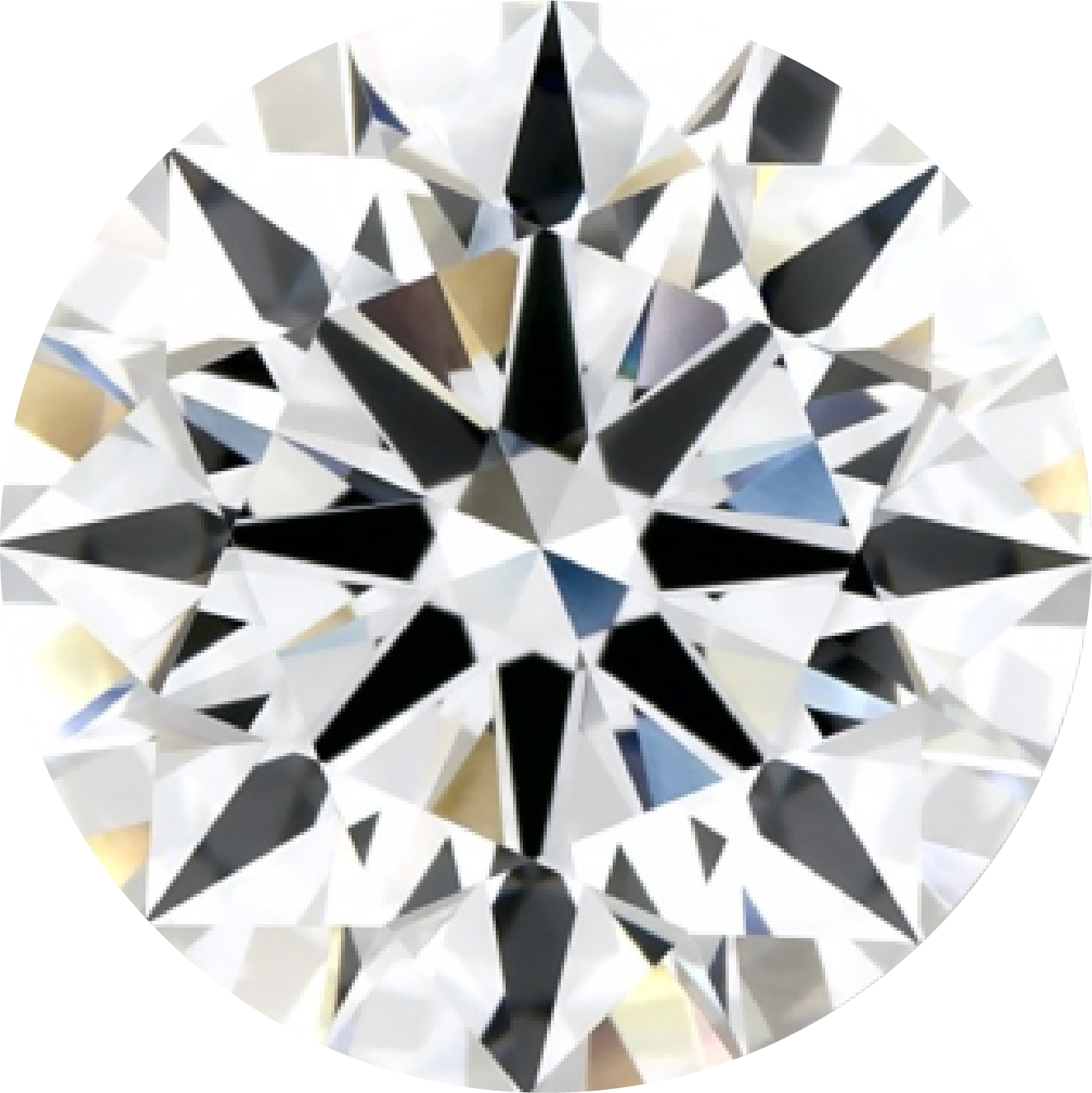
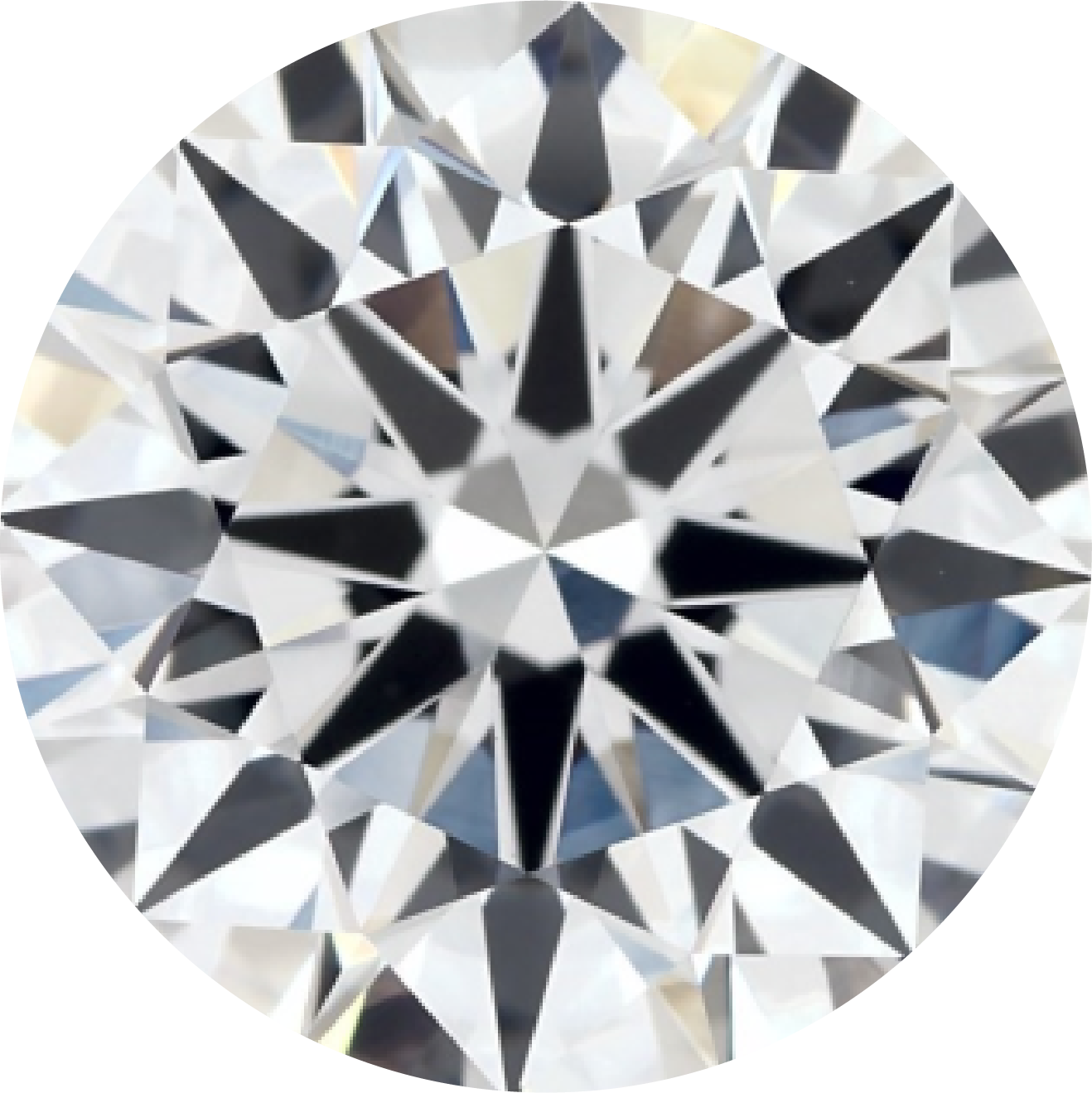
Two identical diamonds: GIA Certified, 1.51ct, D Color, VVS1, Ideal Cut. One is natural ($16,240), the other is lab-grown ($1,970). Choose the diamond you like better and see if you can match it to its origin.
Why GIA Does Not Grade Cut for Oval Diamonds
GIA grades cut only for round brilliant diamonds. Every fancy shape — oval, pear, marquise, cushion, radiant, emerald — gets no cut grade. The report shows “Measurements,” “Polish,” “Symmetry,” but the Cut field is blank. This is official GIA policy. Not an oversight.
Why does this matter? Because cut drives sparkle more than any other factor. Without a GIA grade, dealers can list a dull, poorly-cut oval next to a brilliant one. Both still say “GIA certified.” You cannot shop ovals by certificate alone. You must see the video or request face-up photos under daylight.
Verdict: Blank cut field is normal for ovals. Judge the stone, not the paper.
The Oval Bowtie Effect: What It Is and How to Avoid It
 moissanitebyaurelia.com/wp-content/uploads/2025/08/Oval-Diamond-Bowtie-vs-Non-Bowtie-and-Length-to-Width-Ratio-Guide-990×576.jpg” alt=”A visual guide for what to look for in an oval cut diamond, showing two key factors. The top half is a side-by-side comparison showing an oval diamond with a severe, dark bowtie effect that kills the sparkle, next to a brilliant, non-bowtie oval diamond that has light return across the entire stone. The bottom half is a graphic illustrating the concept of length-to-width ratio, showing how different ratios (1.30, 1.45, 1.60) affect the oval diamond’s shape from a wider, chubbier appearance to a more classic and slender silhouette.” class=”wp-image-10077″/>
The bowtie is a dark band across the center of an oval diamond. It happens when light leaks out the pavilion instead of returning to your eye. Every oval has some bowtie. The question is how much.
A faint, barely-visible bowtie is fine. A heavy opaque bowtie kills sparkle. The diamond looks dead face-up. Dealer videos lit from above hide bowties. Request a tilted video. You want to see the center shadow. See the shadow on the video? You’ll see it on your hand.
| Bowtie Severity | Face-Up Appearance | Buy or Skip | What This Means |
|---|---|---|---|
| None / Faint | Even sparkle across the stone | Buy | Ideal. Pay a premium for this. |
| Light | Subtle shadow in bright light | Buy with discount | Acceptable. Negotiate 5-10% off. |
| Medium | Visible dark band in normal light | Skip | Will bother you daily. Not worth the savings. |
| Heavy | Opaque dark zone, dead center | Skip | Dealers hide these behind bright video lighting. Reject. |
Verdict: Light bowtie is OK and saves money. Medium or heavy = walk away. Browse oval diamonds at Blue Nile with HD video for every stone.
Ideal L/W Ratio for Oval Diamonds: 1.30 to 1.50
Length-to-width ratio is the oval’s single most important shape number. The ideal range is 1.30 to 1.50. At 1.30, the oval looks slightly rounded. Almost like a cushion. At 1.50, it reads as a classic elongated oval. Above 1.50 looks stretched. Below 1.30 looks like a chubby round that lost its circle.
| L/W Ratio | Shape Appearance | Finger Flattery | Price Impact | What This Means |
|---|---|---|---|---|
| 1.20 – 1.29 | Rounded oval, almost cushion-shaped | Average | Lower demand = 5-10% cheaper | Shoppers typically skip. Priced down. |
| 1.30 – 1.39 | Classic oval, versatile | Universal fit | Standard pricing | Most common. Safe pick for any hand size. |
| 1.40 – 1.49 | Elegant elongated oval | Elongates finger | Premium 5-10% | Most demanded ratio. Lengthens the hand visually. |
| 1.50 – 1.60 | Elongated / stretched | Dramatic look | Premium 10-15% | Statement choice. Less universal appeal. |
| 1.60+ | Overly stretched, approaches marquise | Narrow look | Lower demand | Niche buyers only. Hard resale. |
Verdict: 1.35 to 1.45 is the sweet spot. Lengthens the finger, keeps resale strong. Filter Blue Nile oval inventory for your target ratio.
Oval Diamond MM Size Chart by Carat
 2 carat oval to a US quarter for scale. On the right, a photo shows a real-life comparison of oval diamonds on a hand, from a 0.80ct up to a large 3.50ct stone, to illustrate finger coverage and the visual impact of different carat sizes.” class=”wp-image-10076″/>
Ovals look about 10% larger face-up than a round diamond of the same carat weight. A 1 ct oval measures approximately 7.7mm long × 5.7mm wide. A 1 ct round is only 6.4mm diameter. That extra visible length matters. Ovals became the top-selling fancy shape for 2 ct+ engagement rings.
| Carat | Length (mm) | Width (mm) | Face-Up vs Round (same ct) | What This Means |
|---|---|---|---|---|
| 0.50 ct | 6.0mm | 4.5mm | Looks 8% bigger | Entry size. Still delicate. |
| 0.75 ct | 7.0mm | 5.0mm | Looks 9% bigger | Noticeable step up from half-carat. |
| 1.00 ct | 7.7mm | 5.7mm | Looks 10% bigger (vs 6.4mm round) | The benchmark size. Most common oval purchase. |
| 1.50 ct | 8.8mm | 6.6mm | Looks 11% bigger | Significant presence on average finger. |
| 2.00 ct | 9.8mm | 7.3mm | Looks 12% bigger | Statement size. Fills the finger. |
| 3.00 ct | 11.0mm | 8.3mm | Looks 13% bigger | Celebrity-scale stone. Needs setting support. |
| 3.50 ct | 12.0mm | 8.5mm | Looks 13% bigger | Large statement oval. |
Verdict: Ovals buy you ~10% extra visible size per carat vs rounds. Big reason ovals became the top fancy shape. Compare live specs at Blue Nile oval engagement rings.
Different Types of Oval Cuts: Classic Brilliant, Crushed Ice, Antique
Not all ovals look the same. There are three faceting styles. Classic brilliant is the standard — big, bold facet flashes. Crushed ice ovals have smaller, scattered facets that create a glittery mosaic effect. Antique or old European style ovals use broader facets. Less fire, but softer pillowy light return.
| Oval Style | Facet Pattern | Sparkle Look | Best For | What This Means |
|---|---|---|---|---|
| Classic Brilliant | 57-58 facets, standard | Big flash, bold | Traditional engagement rings | Most common. Highest resale. |
| Crushed Ice | Smaller, scattered facets | Glittery mosaic | Modern halo settings | Trendy. May look busier. |
| Antique / Old European | Broader facets, chunkier | Soft pillowy fire | Vintage reproductions | Niche but passionate buyers. |
| Elongated / Moval | Longer ratio 1.6+ brilliant | Stretched sparkle | Statement rings | Hybrid oval-marquise look. |
Verdict: Classic brilliant for 80% of buyers. Crushed ice for modern halo lovers. Antique for vintage fans. Shop all three at Blue Nile or compare across vendors on Rare Carat.
Mehedi’s Take: “I had a buyer last month fall in love with a crushed-ice oval in a halo setting. In the showroom under spot lighting, it looked incredible. On her hand in daylight, the small facets created a busy, almost blurry appearance she didn’t like. She returned it and swapped for a classic brilliant oval. Crushed ice is a studio-light look. Buy for daylight.”
— Mehedi Hasan, Diamond Industry Veteran
Oval vs Round vs Cushion vs Pear: Shape Comparison
| Shape | Face-Up Size (1 ct) | Sparkle | Price vs Round | Bowtie Risk | What This Means |
|---|---|---|---|---|---|
| Round brilliant | 6.4mm | Maximum | Baseline (highest) | None | Classic. Smallest face-up per carat. |
| Oval | 7.7mm x 5.7mm | Very high | 20-30% less | Yes (manage it) | 10% bigger look, 25% cheaper. Why ovals dominate 2ct+ market. |
| Cushion | 5.5mm x 5.5mm | Soft romantic | 25-35% less | Minimal | Vintage pillow look. Smaller face-up than oval. |
| Pear | 8.5mm x 5.5mm | High | 25-35% less | Yes (worse than oval) | Dramatic. Point requires careful setting. |
| Marquise | 10mm x 5mm | High | 30-40% less | Yes (significant) | Most elongated. Boat shape. Niche demand. |
| Radiant | 6.5mm x 5mm | High | 30% less | Minimal | Brilliant-cut rectangle. Sharp corners. |
Verdict: Oval wins the face-up-per-dollar race. Round holds resale best. Pear and marquise require more care. Live inventory at Blue Nile oval collection.
Best Color and Clarity for Oval Diamonds
Oval ends concentrate color. The pointed tips reveal tint faster than a round brilliant. For a white face-up look, buy H color or higher. J color ovals show warmth at the tips. Especially in platinum or white gold settings. Yellow gold hides warmth. You can drop to I or J color.
Clarity is more forgiving on ovals than on step cuts. The elongated brilliant facet pattern scatters light. Small inclusions get masked. VS2 is usually eye-clean. Many SI1 ovals are also eye-clean. Verify with video, not just the GIA plot. Inclusions near the pointed ends show more. Center inclusions hide better.
| Setting Metal | Minimum Color | Minimum Clarity | What This Means |
|---|---|---|---|
| Platinum / white gold | H | VS2 or eye-clean SI1 | Cold metal demands higher color. |
| Yellow gold | J | VS2 or eye-clean SI1 | Warm metal hides warm tint. |
| Rose gold | I or J | VS2 or eye-clean SI1 | Pink metal masks warmth differently. |
| Halo setting (any metal) | I | VS2 or eye-clean SI1 | Halo distracts from center color. |
Verdict: H VS2 in white metal. J VS2 in yellow gold. Verify eye-clean on video before buying SI1. Shop H color ovals or J color ovals at Blue Nile.
Shop H color oval diamonds at Blue Nile or browse Blue Nile loose oval inventory for live stock.
Oval Diamond Pricing by Carat: What You’ll Pay in 2026
Oval prices run 20-30% below equivalent round brilliants. The savings come from how diamonds are cut from rough. Ovals waste less of the original crystal than rounds. Cutters pass the savings on. A 1 ct H VS2 natural oval runs approximately $5,330 to $6,750. The same stone in round runs $7,500 to $9,500. Lab-grown ovals cost 70-80% less.
| Carat | H VS2 Natural | H VS2 Lab | Round Equivalent (Natural) | Oval Savings | What This Means |
|---|---|---|---|---|---|
| 0.80 ct | $3,500 | $750 | $5,200 | 33% less | Entry oval. Still looks substantial. |
| 1.00 ct | $5,330-$6,750 | $1,200-$1,800 | $7,500-$9,500 | 25-30% less | Sweet spot pricing. Benchmark size. |
| 1.50 ct | $8,000-$10,500 | $1,800-$2,800 | $11,500-$15,000 | 28% less | Common upgrade. Noticeable size jump. |
| 2.00 ct | $12,330-$16,500 | $2,800-$4,500 | $18,000-$24,000 | 30% less | Statement size. Most popular 2ct fancy. |
| 3.00 ct | $25,000-$37,000 | $5,500-$9,000 | $38,000-$55,000 | 35% less | Celebrity scale. Natural shines here. |
| 3.50 ct | $32,000-$45,000 | $7,500-$12,000 | $48,000-$68,000 | 35% less | Large statement oval. |
Verdict: Ovals save 25-35% vs rounds at every carat tier. The savings grow at bigger sizes. Compare live pricing at Blue Nile loose ovals or Rare Carat.
Example live stock: Blue Nile 1.50 ct oval diamond details (specific SKU, specs vary with live inventory).
Lab-Grown vs Natural Oval Diamond: Which Wins
Lab-grown ovals cost 75-80% less than natural ovals. Same specs. The crystal structure is identical. The GIA grading process is identical. Face-up they look identical. The real differences are two. Lab-grown has much weaker resale. Some buyers also prefer the geological origin story of natural stones.
| Factor | Natural Oval | Lab Oval | What This Means |
|---|---|---|---|
| Chemical structure | Pure carbon | Pure carbon | Identical crystal lattice. |
| Face-up appearance | Indistinguishable | Indistinguishable | No one can tell by eye. |
| Price (1ct H VS2) | $5,330-$6,750 | $1,200-$1,800 | Lab saves 75-80%. |
| Resale value | 30-50% of retail | 10-25% of retail | Natural holds value much better. |
| Insurance appraisal | Equal to natural retail | Lab-adjusted appraisal | Lab appraisals are lower. |
| Testing (standard tester) | Passes | Passes | Both read as “diamond” on all common testers. |
Verdict: Lab if budget drives the decision. Natural if resale or emotional origin matter. Shop lab-grown ovals at Blue Nile at 75-80% below natural pricing.
Shop lab-grown ovals at Blue Nile for live lab inventory at 75-80% below natural pricing.
ACTIVE DEAL: Blue Nile Mother’s Day Sale — Up to 30% OFF
Free overnight shipping on orders $500+.
Free 30-day returns. Lifetime warranty.
Also: New email subscribers get $50 off their first order of $500+.
Looking for more? Check out the Clear The Vault event.
*Exclusions may apply. See Blue Nile for complete details.
Top Settings for Oval Diamonds

Oval diamonds work in almost every setting style. The elongated shape flatters halos (enlarges the stone visually). It also works in solitaires (lets the shape speak). East-west settings place the oval horizontally. Three-stone designs pair well with trapezoid or baguette side stones.
| Setting Style | Visual Effect | Price Range (setting only) | Best For | What This Means |
|---|---|---|---|---|
| Classic Solitaire (4-prong) | Lets the oval speak | $600-$1,500 | Minimalists | Simplest. Most affordable. |
| Hidden Halo | Secret sparkle under crown | $1,200-$2,500 | Modern buyers | Trendy. Visible from side only. |
| Full Halo | Makes oval look 30% bigger | $1,500-$3,000 | Big-look priority | Classic enlarging trick. |
| Three-Stone (trapezoid sides) | Elegant symmetry | $2,000-$4,500 | Vintage romantic | Side stones add presence. |
| East-West (horizontal) | Modern unexpected | $1,000-$2,200 | Fashion-forward | Oval laid horizontally across finger. |
| Bezel | Protects pointed tips | $1,200-$2,500 | Active lifestyles | Hides chipped edges. Secure. |
Verdict: Hidden halo is the current trend. Solitaire is timeless. East-west is for the bold. Browse halo engagement rings or classic solitaires at Blue Nile.
Shop oval engagement rings at Blue Nile for complete setting-and-stone options, or compare designer settings at Ritani.
Celebrity Oval Engagement Rings: Inspiration

Oval engagement rings have become the top celebrity choice over the last decade. Kourtney Kardashian wears a classic 12 ct oval solitaire from Travis Barker. Hailey Bieber has a 6 ct oval with a thin band from Justin Bieber. Blake Lively, Ariana Grande, Lauren Conrad, Mandy Moore, and Kate Middleton (though Kate’s is sapphire) all wear ovals. See more at the Vogue celebrity oval ring gallery.
Verdict: Celebrity demand drove oval prices up 15-20% from 2019 through 2024. Supply has caught up.
How to Tell If an Oval Diamond Is Real
Four tests confirm a real oval diamond. One: a GIA or IGI grading report with matching inscription on the girdle. Two: a diamond tester that reads diamond (not moissanite or CZ). Three: the fog test — real diamonds clear instantly. Four: a jeweler’s loupe check for natural inclusion patterns. Combine any two for 99% confidence.
| Test | What to Look For | Fail Signal | What This Means |
|---|---|---|---|
| GIA inscription | Microscopic report number on girdle | No inscription, mismatched number | GIA reports are the gold standard. Verify inscription. |
| Diamond tester | Reads “Diamond” (not moissanite) | Reads “Moissanite” or “Simulant” | Testers detect thermal + electrical conductivity. |
| Fog test | Fog clears within 1 second | Fog lingers 5+ seconds | Diamonds dissipate heat faster than fakes. |
| Loupe inspection | Natural inclusions, growth lines | Internal perfection or air bubbles | Natural diamonds have unique inclusion patterns. |
| Weight test | Matches stated carat weight within 0.01ct | Lighter or heavier than claimed | Fakes often don’t match claimed weight. |
Verdict: GIA inscription + tester reads diamond = real diamond. Any mismatch = walk away. All Blue Nile ovals ship with GIA or IGI reports.
Where to Buy an Oval Cut Diamond
Three retailers lead the online oval diamond market. Blue Nile acquired James Allen in August 2026. It now carries the largest live oval inventory with HD video for every stone. Ritani lets you order home preview and offers free resizing. Specialty jewelers like Rare Carat aggregate inventory across multiple vendors with AI-based cut analysis.
| Retailer | Oval Inventory Size | Return Window | HD Video | What This Means |
|---|---|---|---|---|
| Blue Nile | 10,000+ ovals live | 30 days | Yes, every stone | Largest inventory. Includes acquired James Allen stock. |
| Blue Nile (ex-James Allen) | Combined with Blue Nile post-2026 | 30 days | Yes, every stone | Legacy JA 360-degree video now on Blue Nile. |
| Ritani | 5,000+ ovals | 30 days + home preview | Yes | Free home preview on select stones. |
| Rare Carat | 50,000+ aggregated | Varies by vendor | Yes | AI cut analysis. Price comparison tool. |
Verdict: Blue Nile for maximum selection. Ritani for home preview. Rare Carat for price shopping. Start at Blue Nile ovals or Rare Carat aggregated search.
Primary shopping links: Blue Nile oval diamond search, Blue Nile (ex-James Allen) oval collection, or Ritani oval diamonds.
Blue Nile is one of the biggest and most recognized online jewelry retailers, offering an extensive and exclusive inventory. Their high-resolution images are improving and getting closer to the quality offered by James Allen, while their prices remain highly competitive. Right now, Blue Nile offers up to 30% savings on jewelry during a limited-time sale.
WHAT WE LOVE ABOUT THEM:
- 30-day no-questions-asked return policy, with a prepaid shipping label provided by Blue Nile.
- Lifetime warranty on all purchases.
- Free shipping on every order.
- Complimentary services every six months, including prong tightening, repolishing, rhodium plating, and cleaning.
- Insurance appraisal included with your purchase.
- One free resizing within the first year.
- High-quality images available for roughly half of their diamond selection.
- 24/7 customer service support.
- Full credit toward future upgrades, as long as the new item is at least double the value.
- Best-in-class order fulfillment process.

Read Our 5-Star Blue Nile Review
Check our comprehensive Blue Nile review to learn why we rated Blue Nile 5 stars for their exceptional quality and value.
James Allen is a top leader in online diamond sales, offering cutting-edge imaging technology that lets you inspect diamonds as if you were using a jeweler's loupe. With the largest exclusive selection of loose diamonds available online and excellent pricing, they also boast one of the finest collections of lab-created diamonds on the market. They currently run a 25% discount on selected lab-grown diamonds!
WHAT WE LOVE ABOUT THEM:
- 30-day no-questions-asked return policy, with a prepaid shipping label provided by James Allen.
- Lifetime warranty on all purchases.
- Free international shipping.
- Complimentary prong tightening, repolishing, rhodium plating, and cleaning every six months.
- Insurance appraisals included with purchases.
- One free resizing within 60 days of purchase.
- Free ring inscriptions available.
- Best-in-class high-quality imagery for every diamond in stock.
- 24/7 customer support.
- Premium, best-in-class packaging.

James Allen: Our 5-Star Choice for Price and Selection
Check our comprehensive James Allen Review to learn more about their pricing and commitment.
Mehedi’s Take: “Over the last 3 years I’ve guided 500+ buyers through oval selection. The number one time-saver: filter for L/W ratio 1.35-1.45 before looking at anything else. That one filter eliminates 70% of ovals that would disappoint you. Then watch the videos for bowtie. You’re down to the final 5-10 stones in 20 minutes instead of browsing hundreds.”
— Mehedi Hasan, Diamond Industry Veteran
Decision Matrix: Which Oval Diamond for Your Situation
| Your Situation | Carat | Lab or Natural | Color/Clarity | Setting | Budget | What This Means |
|---|---|---|---|---|---|---|
| First engagement ring, want “wow” | 1.5 ct | Lab | G VS2 | Hidden halo | $2,500-$4,000 | Looks 2ct, costs 1/3 of natural equivalent. |
| Classic natural engagement | 1 ct | Natural | H VS2 | Solitaire | $6,000-$8,500 | Benchmark classic choice. Strong resale. |
| Statement 2 ct natural | 2 ct | Natural | H VS2 | Hidden halo or three-stone | $13,000-$18,000 | Celebrity-size with manageable price. |
| Luxury 3 ct+ | 3 ct | Natural | G VS1 | Three-stone or custom | $30,000-$45,000 | Investment-grade oval. Hold value well. |
| Active lifestyle (nurse, chef) | 1-1.5 ct | Lab | H VS2 | Bezel | $2,000-$3,500 | Bezel protects pointed tips. Lab = replace-able. |
| Yellow gold vintage | 1-1.5 ct | Natural | J VS2 | Three-stone trapezoid | $5,000-$8,000 | Warm metal masks warm color. Vintage aesthetic. |
| Celebrity-match (10+ ct) | 10 ct+ | Natural or Lab | D-F VVS2 | Classic solitaire | $200K+ natural / $25K+ lab | Kardashian-tier. Natural for prestige, lab for approachability. |
| Budget-first, under $2K | 1 ct | Lab | I SI1 eye-clean | Classic solitaire | $1,200-$1,800 | Entry oval. Verify eye-clean on video. |
Verdict: 1-1.5 ct H VS2 in a hidden halo covers 60% of buyer situations. Scale up or down from there.
Deal Alert: Mother’s Day Sale Up To 30% Off* select fine jewelry at Blue Nile.
New Collection: Shop the James Allen Collection at Blue Nile.
Vault Sale: “Clear The Vault” – Get up to 70% OFF at Blue Nile!
Flash Sale: Save up to 40% OFF sitewide at Rare Carat.
Exclusive: Get up to 60% OFF select fine jewelry at Ritani.
Mehedi’s Take: “The best advice I give oval buyers: watch the video twice. Once for the sparkle, once for the bowtie. If you only watch for sparkle, every well-lit video looks amazing. If you watch for the shadow across the center, you’ll see the truth about cut quality in 10 seconds. The video is the single most important shopping tool for ovals.”
— Mehedi Hasan, Diamond Industry Veteran
DIAMOND ON SALE!!
⏰ Tick-Tock! The Best Diamond Deals at James Allen Are Disappearing Fast!
💍 Limited Time: Forge your perfect ring! Get up to 20% OFF engagement ring settings at James Allen!
✨ Conscious Value: Save on brilliance! Lab-Grown Diamonds are now up to 10% OFF at James Allen.
🔥 Flash Sale:
Huge inventory blowout! Save
Frequently Asked Questions
What is the ideal L/W ratio for an oval diamond?
The ideal L/W ratio for an oval diamond is 1.30 to 1.50. The sweet spot is 1.35 to 1.45 — elongates the finger, stays versatile, holds strong resale. Below 1.30 looks like a chubby round. Above 1.50 starts to look stretched.
What is the bowtie effect in an oval diamond?
The bowtie is a dark band across the center of an oval diamond caused by light leakage. Every oval has some bowtie. Light bowtie is acceptable. Heavy opaque bowties kill sparkle and should be avoided. Check video with the stone tilted to catch center shadow.
Does GIA grade cut for oval diamonds?
No. GIA grades cut only for round brilliant diamonds. Oval, pear, marquise, cushion, radiant, and emerald get no cut grade. The Cut field on an oval GIA report is blank. You must judge cut quality by eye and by video.
How big does a 1 carat oval diamond look?
A 1 carat oval diamond measures approximately 7.7mm long × 5.7mm wide. That is about 10% larger face-up than a 1 carat round brilliant (6.4mm diameter). This is why ovals became the top-selling fancy shape for maximum visible size per carat.
How much is a 1 carat oval diamond?
A 1 carat natural H VS2 oval diamond runs approximately $5,330 to $6,750. The same specs in lab-grown run $1,200 to $1,800. For reference, a 1 carat round brilliant of equivalent color and clarity runs $7,500 to $9,500 natural.
How much is a 2 carat oval diamond?
A 2 carat natural H VS2 oval diamond runs approximately $12,330 to $16,500. Lab-grown 2 carat ovals run $2,800 to $4,500. Natural 2 carat ovals are especially popular because the face-up size reads as nearly 2.4 carats.
Are oval diamonds cheaper than rounds?
Yes. Oval diamonds cost 20-35% less than equivalent round brilliants. The savings come from efficient use of the rough diamond. Cutters waste less material cutting ovals than rounds. The savings grow at larger carat sizes.
What color grade is best for oval diamonds?
H color or higher for white metal settings. J color works in yellow gold. Oval tips concentrate color — tint shows at the pointed ends faster than in a round diamond. For maximum white face-up in platinum, go G or higher.
What clarity is best for oval diamonds?
VS2 or eye-clean SI1. The elongated brilliant facet pattern scatters light and hides small inclusions. Inclusions near pointed tips show more than center inclusions. Check the GIA plot for inclusion location.
What are the different types of oval diamond cuts?
Three main types: classic brilliant (57-58 facets, standard big flash), crushed ice (smaller scattered facets, glittery mosaic), and antique/old European (broader chunkier facets, softer fire). Classic brilliant is the most common and holds the best resale.
Are oval diamonds out of style?
No. Oval diamonds have been the top-selling fancy shape since 2017. Celebrity engagement rings worn by Kourtney Kardashian, Hailey Bieber, and Blake Lively drove demand. Oval sales doubled from 2019 to 2024 and continue to lead the fancy shape market.
Are oval diamonds a good investment?
Only large (2 ct+), high-grade natural ovals hold strong resale. Lab-grown ovals have very weak resale (10-25% of retail). Round brilliants hold resale better than any other shape. If investment matters, buy natural round. If face-up size matters, buy oval.
How to tell if an oval cut diamond is real?
Four tests work. Verify GIA inscription on the girdle under loupe. Run a diamond tester. Do the fog test — real diamonds clear instantly. Check for natural inclusion patterns. Any mismatch between the GIA number on the stone and the certificate = walk away.
What setting is best for an oval diamond?
Hidden halo is the current trend. Classic solitaire is timeless. Three-stone with trapezoid or baguette side stones is elegant for vintage buyers. East-west (horizontal placement) is modern and unexpected. Bezel protects pointed tips for active lifestyles.
What is an elongated oval diamond?
Elongated oval diamonds have L/W ratios above 1.50 — most are 1.55 to 1.65. The look is more dramatic and finger-lengthening than classic ovals. Ratios above 1.60 start approaching marquise territory. Niche demand and harder resale compared to classic 1.35-1.45 ovals.
How many facets does an oval diamond have?
Classic oval brilliant diamonds have 57 or 58 facets — the same count as a round brilliant. Crushed ice ovals can have more smaller facets. Antique oval cuts have fewer, broader facets, typically 40-50 total.
What are the pros and cons of oval diamonds?
Pros: 10% bigger face-up than round, 25-35% cheaper, elongates finger, versatile across setting styles, strong sparkle. Cons: GIA doesn’t grade cut on ovals (buyer judgment required). Bowtie risk. Color shows at pointed ends. Tips can chip in bezel-free settings.
What is crushed ice oval?
Crushed ice oval has smaller, scattered facets. The look is a glittery mosaic sparkle. Different from the classic bold flash pattern. Crushed ice looks great under studio lighting but can read as busy or blurry in daylight. Classic brilliant is a safer universal choice.
What is the best oval diamond ratio for a thin finger?
For thin fingers, L/W ratio 1.40 to 1.50 is most flattering. The slightly elongated shape mirrors and visually extends the finger shape. For wider fingers, go classic 1.30 to 1.40 for a more rounded elegant look.
How to avoid the bowtie effect when buying an oval?
Three steps work. One: request a tilted video, not just top-down. Two: look for even light return across the center. Three: avoid L/W ratios above 1.60 — longer ovals have worse bowties. If the dealer refuses the tilted video, walk away.
Can oval diamonds pass a diamond tester?
Yes. Real oval diamonds pass standard thermal and electrical diamond testers. Moissanite ovals also pass thermal testers but fail on moissanite-specific testers that measure electrical conductivity. Cubic zirconia fails both. A dual tester gives you 99% confidence.
What is the most expensive oval diamond ever sold?
The 71.78 carat Williamson Pink Star (Fancy Vivid Pink oval) sold for $49.9 million in 2017. For colorless ovals, the Taylor-Burton Diamond (69.42 ct oval) sold originally for $1.1 million in 1969. It became historically iconic through Elizabeth Taylor’s ownership.
Is an oval cut diamond more expensive?
No. Oval cut diamonds cost 20-35% less than round brilliants of equivalent carat, color, and clarity. The savings come from how diamonds are cut from rough — ovals waste less raw material than rounds.
What is the prettiest diamond shape?
Prettiest is subjective. Round brilliant has the maximum sparkle. Oval is the most popular fancy shape. Emerald is the most elegant step cut. Cushion is the most romantic vintage look. Pick the shape that matches your style, not the one trending.
What is an oval diamond cut called?
It is called an oval brilliant cut. The term “oval cut” is the standard shorthand. Technical name: modified brilliant cut, oval shape, with 57 or 58 facets.
How much does a 2 carat oval cut diamond cost?
A natural 2 carat H VS2 oval runs approximately $12,330 to $16,500. Lab-grown 2 carat ovals run $2,800 to $4,500. Round brilliants of the same specs run $18,000 to $24,000 — so ovals save 30% at 2 carat.
What is the classiest diamond cut?
Emerald cut is the classiest. The step facets create a hall-of-mirrors effect and the elongated rectangle reads as understated luxury. Round brilliant is the most popular. Oval is the modern-classic alternative.
How much should I spend on an engagement ring if I make $100,000 a year?
Standard guidance: 1 to 3 months of salary. At $100,000 that’s $8,300 to $25,000. The one-month rule is modern realistic. The three-month rule is old-school. Pick based on your savings and spending comfort.
Is a 2 carat ring considered big?
Yes. The US average engagement ring sits between 1 and 1.2 carats. A 2 carat ring is noticeably larger and reads as substantial. A 2 carat oval looks even bigger — approximately 9.8mm long. Ovals have ~10% larger face-up than rounds.
What is considered a lot of money for an engagement ring?
$10,000 and up is the typical “a lot of money” threshold. The US average engagement ring runs approximately $5,500 to $6,000. Above $15,000 is a luxury tier. Above $50,000 is high-net-worth territory.
What is the least desirable diamond shape?
Heart shape is the least demanded among educated buyers. The symmetry is hard to cut perfectly and the pointed cleft can look awkward. Marquise is also niche due to the pointed-tip chipping risk and dated 1980s association.
Is a 2 carat oval ring too flashy?
No. A 2 carat oval is substantial but tasteful. It reads as “intentional, not showy.” The elongated shape softens the perceived size. Celebrity 10+ ct ovals are the flashy range. 2 ct is the sweet spot of noticeable without being obvious.
What engagement rings are out of style?
Classic solitaires, three-stone, and halo settings never go out of style. Heavy pavé-encrusted settings from the 2010s and bulky yellow-gold Victorian reproductions have cooled. Any ring that reads “trendy at one specific moment” ages faster.
What is a divorce ring?
A divorce ring is jewelry worn to mark the end of a marriage. Modern divorce rings are often simple bands. Or geometric shapes. Or personal-meaning stones like black diamonds or raw crystals. The ring symbolizes a new chapter.
Who legally owns an engagement ring after divorce?
In most US states, an engagement ring is a conditional gift given in contemplation of marriage. After the wedding takes place, the ring becomes the recipient’s personal property. If the engagement ends without marriage, laws vary — some states require the ring returned to the giver.
What does wearing a ring on the middle finger mean?
Wearing a ring on the middle finger carries no fixed meaning. It is often a style choice. Or a statement ring placement. Or a way to balance jewelry across the hand. The middle finger is the most prominent. Some wear it there to draw attention to a specific stone.
What is a poor man’s diamond called?
The term historically refers to cubic zirconia, but modern “poor man’s diamond” more accurately describes moissanite. Moissanite costs 90% less than diamond, lasts a lifetime, and tests as diamond on standard testers. Moissanite is the smart budget diamond alternative.
What gem looks like a diamond but is cheaper?
Moissanite looks closest to diamond and costs 90% less. White sapphire is a cheaper alternative but lacks the fire. Cubic zirconia is the cheapest but shows wear within a year. Lab-grown diamond is identical to natural at 75-80% off.
Who should not wear a diamond?
From a jewelry-care angle, heavy manual labor workers should avoid daily diamond ring wear. The stone is durable but prongs can snag and bend. Astrologically, Vedic traditions caution against diamonds for certain birth charts. That part is personal belief.
What is 1000 times rarer than a diamond?
Red diamond is approximately 1000 times rarer than white diamond. Fewer than 30 natural reds are documented worldwide. Painite, musgravite, and taaffeite are rarer gemstones but outside the diamond category.
How big of a diamond can I get for $20,000?
At $20,000 for a natural diamond, you get a 1.5 to 2 carat H VS2 round. Or a 2 to 2.5 carat H VS2 oval. For lab-grown, $20,000 reaches 5-6 carats at H VS2 — a dramatic statement stone at the same budget.
Is a 2 carat oval too big?
No. A 2 carat oval is a popular statement size — approximately 9.8mm long, substantial but wearable daily. For smaller hands (size 4-5), a 2 ct oval dominates the finger. For average-to-larger hands (size 6-8), it reads as elegant and appropriate.
What is the most worthless gem?
Cubic zirconia has the lowest resale value — essentially $0 beyond the setting metal. It is a synthetic gemstone made for low-cost fashion jewelry. Glass “gems” also have no resale market. Both are strictly decorative, not store-of-value.
See Also
- What is oval crushed ice diamond cut
- 2 carat natural oval diamond guide
- 1 carat pear shaped diamond price
- Pear shaped diamond ring
- Round brilliant cut diamond
- Cushion cut diamond
- Emerald cut diamond
- Marquise cut diamond
- Radiant cut diamond
- Heart diamond shape
- Asscher cut diamond
- Princess cut diamond ring guide
- Complete diamond shapes guide
- Most affordable diamond shapes
- What diamond shape looks the largest
- Pear cut vs oval cut diamond
- Oval cut vs round cut diamond
- Diamond color chart (D-Z)
- Diamond color and clarity chart
- VS1 vs VS2 diamond comparison
- VS2 clarity diamond
- SI1 clarity diamond
- H color diamond
- Complete diamond buying guide
- Diamond rate calculator
- Diamond appraisal calculator
- Diamond resale price calculator
- Blue Nile reviews
- Is Ritani legit?
- Best engagement rings under $10,000